Strait of Hormuz Remains Heavily Restricted on April 30 Amid Stalled US-Iran Talks
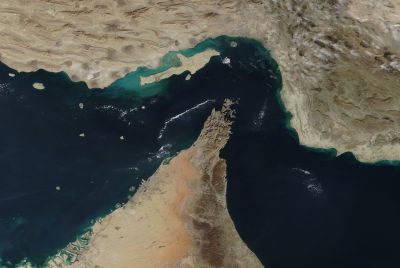
DUBAI — The Strait of Hormuz, the world's most critical oil chokepoint, continued operating under severe restrictions on Thursday, April 30, 2026, with daily transits hovering at just 5-8% of normal levels as the U.S. naval blockade on Iranian ports and Iranian countermeasures keep commercial shipping at a near-standstill more than two months into the regional conflict.

Ship-tracking data from Kpler and the Hormuz Strait Monitor showed only seven vessels crossing the narrow waterway in the past 24 hours, compared to the pre-crisis average of around 60 ships per day carrying roughly one-fifth of global oil and LNG supplies. Most recent transits involved smaller bulk carriers or specially permitted vessels, while large oil tankers and LNG carriers largely avoided the route due to extreme insurance costs and security risks.
The restrictions stem from a dual blockade: Iran periodically demanding tolls, conducting inspections and, in some cases, striking or seizing vessels it deems non-compliant, while the United States maintains a naval blockade on Iranian ports announced in mid-April. A fragile ceasefire has done little to ease tensions, with diplomatic efforts through mediators like Pakistan stalling over sanctions relief and nuclear issues.
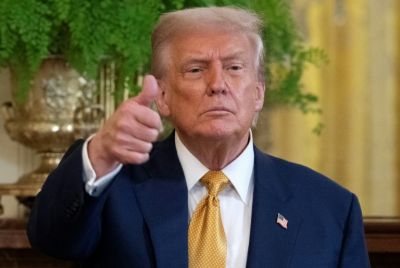
President Donald Trump rejected Iran's latest proposal to reopen the strait in exchange for lifting the U.S. blockade, stating on Truth Social that "Iran can't get their act together" and must "get smart soon" on a non-nuclear deal. Iranian officials have countered by calling the U.S. actions "piracy" and insisting the strait will remain closed to most foreign traffic until the blockade ends.
The economic fallout has been severe. Brent crude oil prices remain elevated above $100 per barrel, contributing to higher fuel costs worldwide and exacerbating energy pressures in countries like Australia. Approximately 2,000 vessels are reportedly stranded in the broader Gulf region, waiting for safe passage, with thousands of seafarers facing prolonged uncertainty and mounting risks.
Qatar's foreign ministry described the use of the strait as a "political weapon" as "unacceptable," highlighting regional frustration with the ongoing standoff. The UAE's recent decision to exit OPEC has further complicated Gulf energy dynamics, as nations seek alternative supply routes and strategies.
Maritime security firms report increased activity by Iran's Revolutionary Guard Corps Navy, including patrols and occasional boardings. Some shipping companies have hired private security, but premiums for transiting the strait have skyrocketed, making most commercial voyages economically unviable. Many operators continue rerouting around the Cape of Good Hope, adding thousands of nautical miles and weeks to journey times.
Environmental groups have warned of the heightened risk of accidents or oil spills in the narrow waterway, which could devastate the Persian Gulf's fragile marine ecosystem. While restricted traffic has temporarily reduced collision risks, any escalation could quickly change that.
U.S. officials have indicated that clearing the strait fully could take up to six months even after a diplomatic resolution, due to potential mines and lingering security threats. Pentagon briefings to Congress have emphasized the complexity of restoring safe commercial navigation.
For global energy markets, the prolonged disruption has forced buyers to seek alternatives, driving up costs and contributing to inflationary pressures. Asian importers, particularly India, China, Japan and South Korea, have been hardest hit and have turned to emergency reserves or more expensive suppliers.
Diplomatic talks remain stalled. Iran has offered to reopen the strait while leaving nuclear negotiations for later, but the Trump administration has rejected the proposal, insisting on a broader agreement. Regional mediators continue efforts, but no breakthrough appears imminent.
The humanitarian impact includes stranded crews and economic hardship for communities dependent on maritime trade. Insurance companies have grown increasingly wary, with some refusing coverage for Hormuz transits altogether.
As April ends, shipping analysts expect continued volatility. Any significant diplomatic progress could quickly restore traffic, but current conditions point to a prolonged period of restricted operations. The strait's status has become a defining feature of the 2026 global energy crisis, reshaping trade patterns and highlighting the vulnerability of critical maritime chokepoints to geopolitical conflict.
The coming weeks will be critical as parties seek resolution. Until then, the Strait of Hormuz remains a high-stakes flashpoint where commerce, military power and diplomacy intersect daily, with ripple effects felt in fuel prices, supply chains and economies worldwide.
© Copyright 2026 IBTimes AU. All rights reserved.
- Recommended For You