Oil Prices Climb Toward $110 as Iran Peace Talks Stall and Hormuz Disruptions Tighten Supply
NEW YORK — World oil prices surged on Tuesday, April 28, 2026, with Brent crude climbing above $110 per barrel as stalled U.S.-Iran peace negotiations and persistent restrictions on shipping through the Strait of Hormuz continued to threaten global supply, pushing energy markets to two-week highs.

Brent crude, the international benchmark, traded near $110.86, up more than 2.4% on the day, while West Texas Intermediate (WTI) crude rose above $98, gaining roughly 2.7%. The gains extended Monday's rally, when both contracts jumped about 2-3% amid fading hopes for a quick resolution to the conflict that has disrupted one of the world's most critical energy chokepoints.
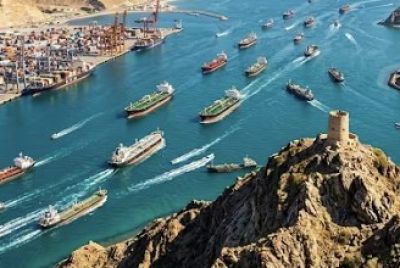
The Strait of Hormuz, through which nearly 20% of global oil supply typically flows, has seen sharply reduced tanker traffic since late February due to military actions and related tensions. Even with a tenuous ceasefire in place, shipments remain limited, forcing buyers to seek costlier alternative routes and tightening physical supply in key markets.
Analysts said the latest price surge reflects growing concerns that diplomatic efforts are losing momentum. U.S. officials expressed skepticism about an Iranian proposal to reopen the strait, while recent developments—including canceled high-level meetings—have dimmed optimism for a swift end to hostilities. Goldman Sachs and other banks have raised their near-term forecasts, citing sustained output cuts and shipping risks.
The Energy Information Administration and International Energy Agency have revised their outlooks dramatically. Global oil supply dropped sharply in March, with OPEC+ production falling significantly. Demand projections for 2026 have been cut, yet prices remain elevated due to the supply shock. Brent is now expected to average around $96 for the year, with potential peaks near $115 in the second quarter.
U.S. crude inventories have provided some buffer, aided by strategic reserve releases, helping keep WTI somewhat lower than Brent. The spread between the two benchmarks has widened notably, reflecting regional supply dynamics and higher shipping costs for non-U.S. barrels.
OPEC+ members have faced challenges maintaining output amid the disruptions, while non-OPEC producers like the United States and Brazil have seen mixed results. U.S. shale production remains resilient but faces constraints from pipeline and export capacity.
On the demand side, high prices are beginning to weigh on consumption. The IEA projects a slight contraction in global oil demand for 2026, the first in years, as higher costs ripple through economies and encourage efficiency measures or fuel switching. China, the world's largest importer, has shown signs of inventory builds that could lead to softer import demand in coming months.
Geopolitical risks extend beyond Hormuz. Broader tensions involving Israel, Lebanon and other actors add layers of uncertainty. Any escalation could further restrict supply, while a breakthrough in talks could trigger a sharp price reversal as trapped tankers resume normal routes.
Energy traders are closely watching upcoming developments, including any U.S. response to Iranian overtures and data on actual shipping volumes. Technical analysts note Brent has broken above key resistance levels, with momentum indicators suggesting potential for further upside if support holds around $105-107.
The price rally is rippling through global economies. Higher fuel costs are pressuring inflation in import-dependent nations across Asia and Europe, potentially complicating central bank decisions on interest rates. Airlines, shipping firms and manufacturers face rising input costs, while oil-producing countries see revenue boosts that could ease fiscal pressures.
In the United States, gasoline prices have climbed in response, though domestic drivers are somewhat shielded by ample refining capacity and WTI-linked contracts. Retail pump prices remain a political issue heading into midterm considerations.
Longer-term, the crisis has accelerated discussions about energy security and diversification. Governments are revisiting strategic reserves, renewable investments and domestic production incentives. The episode underscores oil's enduring role in geopolitics despite the global energy transition.
Market participants remain divided on the outlook. Bulls point to structural supply risks and limited spare capacity, while bears highlight demand destruction at current price levels and the potential for rapid normalization if diplomacy succeeds. Volatility is expected to remain elevated in coming weeks.
For consumers and businesses, the message is one of caution. Hedging strategies are being deployed more aggressively, and efficiency measures are gaining renewed attention. Economists warn that prolonged high prices could shave tenths of a percentage point off global growth forecasts.
As trading continues Tuesday, all eyes remain on diplomatic cables from Washington, Tehran and regional capitals. A single positive development on the Hormuz front could send prices tumbling, while further setbacks might push Brent toward $115 or higher.
The current environment highlights oil's sensitivity to even temporary disruptions in critical infrastructure. With summer driving season approaching in the Northern Hemisphere and cooling demand in parts of Asia, the balance between supply risks and demand response will determine whether today's gains prove temporary or signal a new sustained plateau.
© Copyright 2026 IBTimes AU. All rights reserved.
- Recommended For You