Oil Prices Ease to $94 as US-Iran Talks Offer Hope but Hormuz Risks Linger
World oil prices slipped modestly Tuesday amid tentative optimism over U.S.-Iran diplomatic efforts, with Brent crude hovering near $94.70 per barrel as traders weighed mixed signals from the Middle East against lingering threats to global energy supplies.

Brent crude futures, the international benchmark, traded around $94.63 to $94.88 per barrel in early European trading on April 21, 2026, down roughly 0.8% from the previous session's close. U.S. West Texas Intermediate crude fell similarly to about $86.60 to $86.70 per barrel. The modest decline followed a sharp 5-7% surge the day before on renewed uncertainty over ceasefire prospects and shipping disruptions in the Strait of Hormuz.
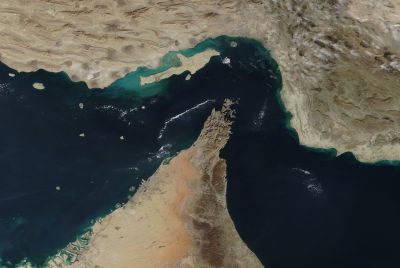
The latest movement reflects the volatile nature of oil markets in April 2026, dominated by geopolitical tensions stemming from the U.S.-Iran conflict that escalated earlier in the year. Attacks on commercial vessels and intermittent closures of the critical Strait of Hormuz — which handles about one-fifth of global oil and liquefied natural gas shipments — have kept a risk premium embedded in prices despite a fragile ceasefire announced in early April.
Analysts noted that conflicting accounts from Washington and Tehran on the pace and conditions of peace talks fueled Monday's rally, with Brent briefly climbing above $95 before easing as some shipping traffic showed signs of cautious resumption. However, insurance rates for tankers navigating the region remain elevated, and full normalization of flows could take months even if diplomacy advances.
"Markets are pricing in a delicate balance," said one energy strategist at a major bank. "Any tangible progress toward reopening the strait fully would ease supplies, but repeated flare-ups keep downside limited."
The International Energy Agency and other forecasters have highlighted the severity of the recent supply shock. March saw oil prices post their largest monthly gain on record, with physical crude at times trading well above futures contracts due to actual shortages. Refined product prices, particularly middle distillates in Asia, hit all-time highs above $290 per barrel at peaks.
OPEC+ has responded with measured adjustments. The group agreed to a modest output increase of 206,000 barrels per day for May, largely symbolic while key members face practical constraints from regional instability. Overall OPEC+ production plunged sharply in March due to the Hormuz disruptions, leaving global inventories tight despite earlier efforts to unwind voluntary cuts.
U.S. Energy Information Administration data and similar reports show that while some emergency stockpiles have been tapped worldwide, restoring damaged infrastructure in the Gulf could require six to 12 months even under optimistic scenarios. This long tail of recovery keeps analysts forecasting elevated prices through much of 2026, with Brent potentially averaging above $100 in the second quarter before moderating later in the year if stability returns.
Broader economic implications ripple far beyond energy traders. Higher fuel costs have fed into global inflation concerns, pressuring central banks and weighing on consumer spending in oil-importing nations. Airlines, shipping companies and manufacturers have issued warnings about margin compression, while some governments have rolled out subsidies or energy-saving measures to cushion the blow.
In the United States, gasoline prices at the pump have risen noticeably, though the full pass-through from crude benchmarks takes time. European and Asian markets face similar dynamics, with diesel and jet fuel particularly sensitive due to their roles in freight and aviation.
Longer-term forecasts from bodies like the EIA suggest Brent could peak near $115 per barrel in the second quarter before easing toward $76 by 2027, assuming gradual resolution of the conflict and resumption of Iranian and regional output. However, these projections carry wide uncertainty bands tied directly to diplomatic outcomes and physical repairs.
Market participants are closely monitoring upcoming inventory data from the American Petroleum Institute and EIA, expected later this week. Any larger-than-expected draws could reinforce the bullish undertone, while builds might signal easing tightness.
Technical analysts observe that Brent has found support in the low $90s after retreating from earlier 2026 highs near $120 amid the height of disruptions. Resistance sits around $96-$98, with a break higher potentially retesting triple digits if Hormuz headlines worsen again.
The Brent-WTI spread has widened to around $8 per barrel, reflecting greater exposure of the North Sea benchmark to Middle East shipping risks compared with U.S. domestic production, which benefits from relatively insulated Gulf of Mexico and pipeline networks.
OPEC+ ministers have signaled readiness to adjust further once the strait reopens reliably, but the group's ability to ramp up quickly is limited by years of underinvestment and current logistical hurdles. Non-OPEC supply, particularly from U.S. shale, has provided some buffer, though higher costs and regulatory factors cap rapid growth.
Environmental and transition considerations add another layer. While the crisis has spotlighted energy security, it has also accelerated discussions in some quarters about diversifying away from oil dependence. Yet near-term realities mean fossil fuels remain central to global transport and industry.
For consumers and businesses, the current price environment translates into higher costs for everything from commuting to manufactured goods. Retail gasoline in many markets sits well above levels seen in early 2025, prompting behavioral shifts such as reduced driving or shifts to public transit where available.
Equity markets showed resilience Tuesday despite the energy volatility, with broader indices gaining on hopes that contained oil prices would not derail economic growth. However, sectors tied to consumer discretionary spending or high fuel usage faced selective pressure.
Looking ahead, key watchpoints include any formal announcements from U.S. or Iranian officials on talks, satellite imagery and shipping data tracking Hormuz activity, and statements from OPEC+ or major producers like Saudi Arabia and Russia.
The April 21 easing provided some relief after recent swings, but few expect calm waters soon. Geopolitical risk premiums are likely to persist, keeping oil traders on edge and prices sensitive to every headline.
As the world navigates this latest chapter in energy market turbulence, the interplay between diplomacy and physical supply chains will determine whether prices stabilize or test fresh highs. For now, the benchmark hovers in the mid-$90s, a level that balances fear of disruption with hope for de-escalation — a fragile equilibrium that could shift rapidly in the days and weeks ahead.
© Copyright 2026 IBTimes AU. All rights reserved.
- Recommended For You