UK Hosts 40-Nation Talks to Reopen Iran-Blocked Strait of Hormuz as Oil Prices Surge Amid War
LONDON — Britain convened a virtual summit Thursday with about 40 countries to explore ways of reopening the Strait of Hormuz, the vital Persian Gulf chokepoint effectively shut down by Iran during the ongoing U.S.-Israeli war, as global oil prices climbed on fears of prolonged disruption to nearly one-fifth of the world's seaborne crude and liquefied natural gas supplies.

British Foreign Secretary Yvette Cooper chaired the discussions, which followed Prime Minister Keir Starmer's announcement that reopening the waterway "will not be easy" but is essential to prevent Iran from "holding the global economy hostage." The meeting included major European nations, Gulf states, Japan and others heavily dependent on the strait, though the United States was not directly involved in the talks, according to officials.
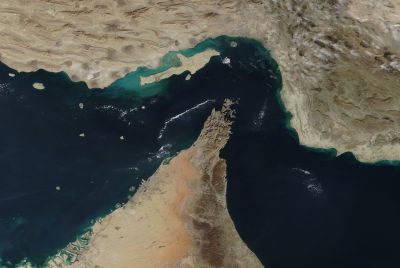
The Strait of Hormuz, a narrow passage between Iran and Oman connecting the Persian Gulf to the Arabian Sea and broader Indian Ocean, has seen maritime traffic plummet since Iran began restricting or attacking vessels in response to U.S. and Israeli strikes that escalated in late February 2026. Prior to the conflict, roughly 138 vessels transited daily, carrying about 20% of global oil and significant LNG volumes. Marine traffic data now shows clusters of loitering ships on both sides, with many operators avoiding the route due to safety risks.
Iran has declared the strait largely closed to vessels linked to the U.S. and Israel, while allowing limited passage for others — sometimes in exchange for substantial fees reportedly paid in Chinese currency or cryptocurrency, according to shipping reports and Gulf officials. Iranian parliament panels have discussed formal toll systems, and Tehran has signaled it will use control over the waterway as leverage to extract concessions, refusing a full ceasefire or unrestricted access until attacks on Iran cease.
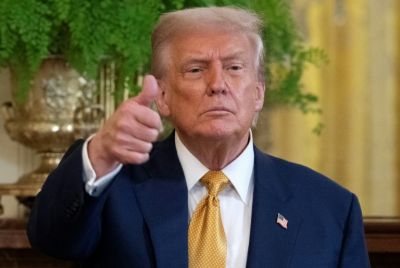
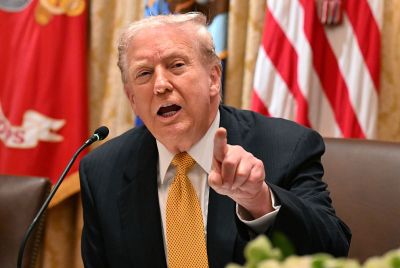
President Donald Trump has repeatedly urged allies to "build up some delayed courage" and take control of the strait themselves, emphasizing that the U.S. produces ample domestic energy and will not shoulder the burden alone. In recent statements, Trump suggested the waterway could reopen "naturally" at the end of the conflict but warned of further strikes on Iranian energy infrastructure, including power plants and Kharg Island, if it remains blocked. He extended a deadline for action into early April while noting ongoing talks with what he described as a "new, and more reasonable" Iranian regime.
French President Emmanuel Macron pushed back Thursday, calling any military operation to force open the strait "unrealistic" and fraught with high risks. Macron advocated for dialogue and cooperation with Iran rather than confrontation, rejecting unilateral force during a trip to South Korea. Other European leaders echoed concerns that a Red Sea-style naval escort mission — which proved costly and only partially effective against Houthi attacks — would be far more challenging in the confined, Iran-dominated waters of Hormuz.
The disruption has already driven oil prices higher, with benchmarks surging amid supply fears and rerouting of tankers around Africa or elsewhere, adding weeks to journeys and inflating costs. Analysts warn of a potential "food security timebomb" if energy shortages ripple into broader economic pain, particularly for import-dependent Asian nations. China, a major buyer of Iranian oil, has blamed the U.S.-Israeli actions as the "root cause" of the blockage.
Attacks on shipping have compounded the crisis. Reports document multiple incidents since early March, including projectiles striking tankers, unmanned vessel rammings and at least one confirmed crew fatality. On April 1, a QatarEnergy-linked tanker, Aqua 1, was damaged north of Doha. The U.K. Maritime Trade Operations and other monitors have logged over a dozen verified or suspected strikes on merchant vessels in the Gulf region. Iran has escorted some "friendly" tankers through while maintaining its grip, turning the strait into what some describe as a de facto toll booth.
The International Maritime Organization estimates around 2,000 ships stranded or affected in the broader area. Shipping giants have suspended or rerouted operations, echoing disruptions seen earlier in the Red Sea but on a scale that threatens far greater global impact given Hormuz's role in Gulf oil exports from Saudi Arabia, the United Arab Emirates, Kuwait, Iraq and Iran itself.
Gulf Arab states, including members of the Gulf Cooperation Council, have expressed alarm. The UAE and others have maintained steady postures but joined calls for safe passage. Some Iranian officials, including those close to the Islamic Revolutionary Guard Corps, have boasted of Tehran's ability to maintain "legal-security dominance" over the strait even after any ceasefire, potentially imposing new rules or tolls long-term.
Environmental risks loom large. Strikes on oil infrastructure and the possibility of escalated targeting of desalination plants — critical for potable water in the arid Gulf — have drawn warnings from U.N. experts about long-term ecological damage, greenhouse gas emissions from burning fields and potential spills in one of the world's most sensitive marine environments.
The U.K.-led meeting Thursday was described as an initial step, with follow-up discussions planned, including a G7 and Gulf Cooperation Council gathering next week. Participants signed a joint statement demanding Iran end its blockade and pledging contributions to ensure safe passage. Military planners are expected to meet soon under British hosting to assess options, though details remain guarded amid divisions over the use of force.
For Iran, the strait represents both a defensive asset and economic lifeline. Tehran has historically threatened closure during tensions, but the current scale — tied to the wider 2026 war that began with extensive U.S.-Israeli airstrikes on Iranian military targets — marks an unprecedented escalation. Iranian navy vessels have conducted escorts for paying clients while IRGC-linked media emphasize the strait's value in ensuring regime survival and deterring future threats.
Analysts note that fully reopening the strait could take months even after any ceasefire, due to insurance costs, lingering war-risk premiums, damaged infrastructure and eroded confidence among shippers. Rebuilding trust and clearing potential mines or debris would add further delays. In the interim, alternative routes and increased U.S. domestic production offer only partial relief, as global markets remain tightly linked.
The crisis underscores the strait's enduring strategic importance. At its narrowest, just 21 miles wide with shipping lanes even tighter, it has been a flashpoint for decades, from the 1980s "Tanker War" during the Iran-Iraq conflict to repeated Iranian seizures of vessels in recent years. Today's events, however, unfold against a backdrop of direct great-power involvement and hybrid threats including drones, missiles and fast-attack boats.
Trump's approach — shifting responsibility to energy-importing nations while keeping U.S. options open — has drawn mixed reactions. Supporters see it as America First realism; critics argue it risks fracturing alliances and emboldening adversaries. Retired U.S. Navy officers have assessed that while American forces could neutralize Iranian threats in the strait if ordered, the operation would be complex, costly and potentially prolonged, especially with Iran's arsenal of anti-ship missiles and asymmetric tactics.
As talks continue, shipping firms monitor real-time intelligence from sources like the U.K. Maritime Trade Operations and U.S. warnings advising vessels to stay clear of certain zones. Crew safety remains paramount, with some operators paying premiums or hiring private security.
Broader implications extend beyond energy. Disrupted supply chains affect everything from jet fuel for airlines to petrochemical feedstocks for manufacturing. Developing nations face heightened vulnerability, while stock markets and currencies react to every headline from the Gulf.
Thursday's summit reflects growing international urgency. With no immediate resolution in sight, diplomats, military planners and energy executives are weighing a difficult balance: pressuring Iran without triggering wider escalation that could close the strait indefinitely or spark environmental catastrophe.
Iranian assurances of safe passage for certain nationalities, such as Filipino seafarers, offer limited comfort amid the selective blockade. Tehran continues to frame its actions as defensive responses to foreign aggression, vowing not to yield without guarantees.
For now, the Strait of Hormuz remains a contested lifeline — partially open to some under Iranian terms, closed to others and a source of skyrocketing costs for the global economy. The outcome of ongoing diplomacy and any potential naval coordination will shape not only energy markets but the trajectory of the larger conflict in the Middle East.
As Britain and partners seek consensus, the world watches whether dialogue or deterrence will prevail in one of the most critical maritime arteries on the planet.
© Copyright 2026 IBTimes AU. All rights reserved.
- Recommended For You