Oil Prices Surge Past $100 Amid Escalating Middle East Conflict, Iran War Disruptions
Crude oil prices rocketed above $100 per barrel in volatile trading on March 9, 2026, as the intensifying conflict involving Iran, Israel and the United States disrupted key Middle East supply routes and prompted production cuts by major exporters. The sharp rally, one of the most dramatic in recent years, sent shockwaves through global markets, fueling inflation fears and pressuring equities.
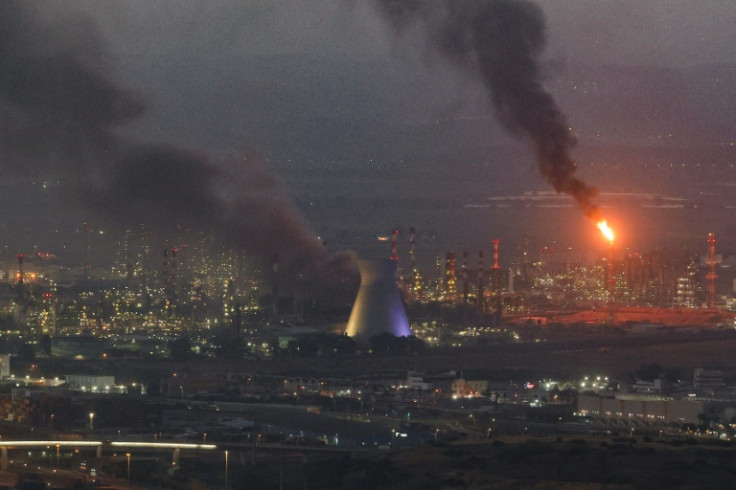
West Texas Intermediate (WTI) crude futures, the U.S. benchmark, climbed as high as $119.48 per barrel in early trading before paring gains to settle around $96 to $101 per barrel, up roughly 6% to 11% on the day depending on the contract. Brent crude, the international standard, followed a similar path, peaking near $119.50 before closing in the $99 to $102 range, reflecting gains of 7% to 10%.
The surge marked a stunning reversal from earlier 2026 levels, when prices hovered below $60 per barrel at the year's start. Since late February, when U.S. and Israeli strikes escalated against Iran, Brent has jumped as much as 65% and WTI by 78% in some sessions. Analysts attribute the spike primarily to fears of prolonged supply interruptions through the Strait of Hormuz, a chokepoint for about 20% of global oil trade.
Major Middle Eastern producers, including Saudi Arabia and other OPEC members, began curtailing output in response to the disruptions. Qatar's energy minister warned that the war could "bring down the economies of the world," predicting potential shutdowns across Gulf exporters and prices climbing toward $150 per barrel if tensions persist. Reports indicated halted shipments and involuntary reductions, exacerbating the tight supply outlook.
The conflict's expansion has raised concerns over broader energy security. Disruptions in the Strait of Hormuz and related shipping lanes have forced rerouting, increasing costs and transit times. Some tanker tracking data showed declines in certain export flows, though others, like Russian crude to China, hit records as alternative suppliers stepped in.
Global financial markets reacted sharply. Stocks pared losses but remained under pressure, with the Dow dropping hundreds of points amid stagflation worries—rising energy costs coupled with potential economic slowdowns. Gasoline prices in the U.S. climbed, with the national average reaching around $3.47 per gallon by March 9, up significantly in recent weeks. Internationally, countries like the Philippines braced for substantial pump price hikes, with diesel potentially rising 17 to 24 pesos per liter starting March 10.
OPEC+ dynamics added complexity. The group—led by Saudi Arabia and Russia—had maintained production pauses through March 2026, extending voluntary cuts amid earlier oversupply fears. Recent IEA and OPEC reports projected balanced or slight surplus conditions for the year, with global supply growth of about 2.4 million barrels per day (mb/d) in 2026, split between OPEC+ and non-OPEC producers. Demand forecasts called for modest increases of 1.3 to 1.4 mb/d annually.
However, the geopolitical shock overrode those fundamentals temporarily. Pre-conflict outlooks from J.P. Morgan and others anticipated Brent averaging around $60 per barrel in 2026 due to expected surpluses and softening demand. Now, short-term models point to higher averages, with Trading Economics forecasting Brent at $107 by quarter's end and $118 in 12 months.
The G7 postponed decisions on releasing strategic reserves, wary of depleting buffers amid uncertainty. Some analysts suggested targeted interventions could cap rallies, but prolonged conflict might sustain elevated prices.
Broader implications loom for consumers and economies. Higher oil feeds into transportation, manufacturing and heating costs, potentially stoking inflation at a time when central banks monitor recovery signals. Airlines, shipping firms and refiners face margin squeezes, while oil-dependent exporters like those in the Gulf see revenue boosts offset by production risks.
Market participants watch for de-escalation signals or further military developments. Brief, geopolitically driven spikes have historically subsided once supply stabilizes, but the current war's scope—targeting energy infrastructure indirectly—introduces unknowns.
As of March 10, 2026, prices remained elevated but volatile in after-hours and early Asian trading. Traders braced for continued swings, with supply news and diplomatic updates likely dictating direction.
The oil market's dramatic turn underscores energy's vulnerability to geopolitics. What began as contained tensions has morphed into a major driver of global prices, reminding stakeholders of the thin line between stability and disruption in world energy flows.
© Copyright 2026 IBTimes AU. All rights reserved.
- MOST POPULAR IN News