Oil Prices Surge Amid Escalating Middle East Conflict as WTI Crude Nears $79
Crude oil prices climbed sharply in early Asian trading Friday, extending a volatile week driven by the ongoing U.S.-Israel military campaign against Iran and retaliatory actions that have disrupted global supply expectations. Benchmark West Texas Intermediate (WTI) crude futures rose more than 5% to hover near $78.50 per barrel, while Brent crude, the international standard, approached $84 amid fears of prolonged supply risks in the Persian Gulf.

WTI crude for April delivery was trading at approximately $78.47 per barrel on the New York Mercantile Exchange, up $3.81 or 5.10% from Thursday's close of $74.66. The contract opened at $76.15 and ranged between a low of $74.97 and a high of $78.54 in overnight and early session activity. Brent crude futures on the Intercontinental Exchange gained around 3% to trade near $83.99 to $84.00 per barrel, reflecting a $2.59 to $2.60 increase or roughly 3.2% from the prior settlement.
The sharp moves come as the conflict in the Middle East enters its second week, with reports of Iranian forces targeting a U.S.-registered tanker in the northern Persian Gulf adding fresh upward pressure. Iran's Tasnim news agency cited missile strikes on the vessel, heightening concerns over potential blockades or disruptions in the Strait of Hormuz, through which roughly 20% of global oil trade flows. Analysts warn that any sustained closure or significant interference could push prices toward triple digits.
The rally has already translated into higher costs at the pump for American drivers. The national average gasoline price reached $3.25 per gallon Thursday, up 30 cents in less than a week and a 9% jump from pre-conflict levels around $2.98, according to AAA data. Industry observers note that every $1 increase in crude typically adds about 2.4 cents per gallon to retail fuel prices, though the relationship can vary with refining margins and regional factors.
Market sentiment has whipsawed since the U.S. and Israel launched strikes on Iranian targets Saturday, initially sending oil surging as much as 11% in early sessions. Brent opened around $81.60 early in the week before climbing further, while WTI jumped 8% at one point. Trading volume spiked to record levels on the Intercontinental Exchange, with 12.7 million energy futures and options contracts changing hands Monday alone as investors rushed to hedge or speculate on the volatility.
U.S. crude producers have moved quickly to lock in elevated prices through hedging strategies, securing gains amid the uncertainty. Diesel futures outperformed both crude and gasoline earlier in the week, settling nearly 12% higher at one stage due to tighter supply dynamics in refined products.
Broader economic implications are mounting. Federal Reserve officials are monitoring the oil shock closely, with some suggesting it could prompt a pause in recent interest rate cuts or even force reconsideration of policy easing if inflation pressures reemerge. President-elect-aligned figures and market watchers have highlighted affordability concerns ahead of midterm elections, as higher energy costs ripple through household budgets and transportation expenses.
Despite the upward momentum, some analysts caution that the spike may moderate if the conflict de-escalates or if alternative supplies from non-Middle East producers ramp up. Goldman Sachs recently raised its Q2 Brent forecast to the low $80s, reflecting a more bullish near-term view but acknowledging execution risks. Other forecasts suggest Brent could average around $74 in Q1 before potential stabilization, though current events have rendered such projections outdated.
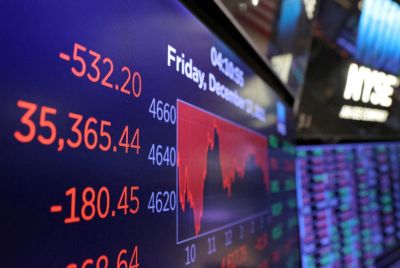
Global stock markets have shown mixed reactions, with Asian shares rebounding modestly after earlier losses while U.S. equities faced pressure. The Dow Jones Industrial Average dropped significantly earlier in the week as oil's climb weighed on growth-sensitive sectors. Energy stocks have benefited, with producers and service companies posting gains on higher commodity realizations.
The conflict's trajectory remains the dominant driver. Reports indicate continued U.S. strikes in Iran, with Tehran vowing retaliation that could further imperil shipping lanes. Investors are watching for any diplomatic breakthroughs or military de-escalation signals, though none appeared imminent as of early Friday.
Longer-term, the episode underscores vulnerabilities in global energy markets. Disruptions have spotlighted reliance on Strait of Hormuz transit and prompted renewed discussion of strategic reserves and diversification efforts. U.S. production, already at robust levels, offers some buffer, but export infrastructure constraints and refining capacity limit immediate offsets.
Gasoline and heating oil prices have followed crude higher, with RBOB gasoline futures up around 3.5% in recent sessions. Natural gas has seen milder moves, trading near $2.93 with modest gains.
As trading continues into the U.S. session, volatility is expected to persist. The coming days could prove decisive, with potential for further spikes if supply threats materialize or stabilization if containment efforts succeed. For now, oil markets remain firmly in risk-on mode, pricing in geopolitical premiums that have lifted benchmarks to multi-month highs.
The surge marks a dramatic reversal from earlier 2026 levels, when WTI hovered in the mid-$60s amid ample supply and demand concerns. Year-to-date, crude has gained significantly, though the latest leg higher reflects war-driven speculation rather than fundamentals alone.
Market participants continue to brace for headline risk, balancing enthusiasm for producer profits against broader economic headwinds from sustained high energy costs.
© Copyright 2026 IBTimes AU. All rights reserved.
- Recommended For You