Dow Jones Futures Plunge Over 700 Points as Middle East Conflict Escalates, Oil Prices Surge
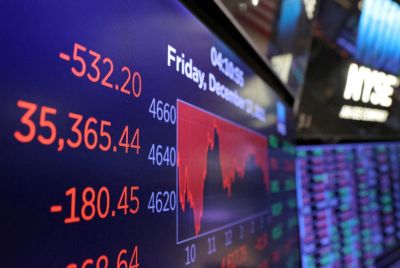
NEW YORK — Dow Jones Industrial Average futures tumbled sharply in pre-market trading on March 3, 2026, with contracts dropping as much as 772 points or 1.6%, signaling a potential open well below 49,000 as geopolitical tensions in the Middle East intensified and oil prices continued their dramatic rally.
Futures tied to the blue-chip index hovered around 48,200-48,300 levels in early Asian and European sessions before deepening losses toward the U.S. open, reflecting renewed risk aversion amid fears that the U.S.-Israel strikes on Iran could prolong regional instability and disrupt global energy supplies. The March 2026 E-mini Dow contract traded near 48,265, down about 680 points or 1.39% in one snapshot, with intraday lows dipping toward 47,950 before partial recoveries.
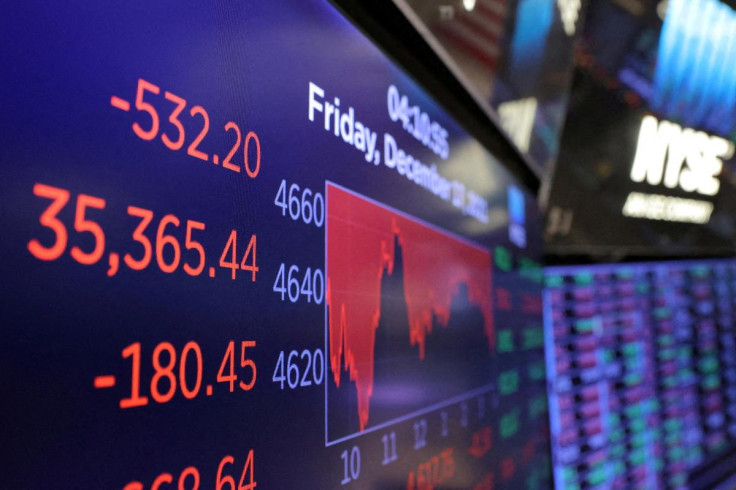
The sell-off erased much of Monday's modest equity rebound, when the Dow Jones Industrial Average closed down just 0.15% at around 48,978, while the S&P 500 and Nasdaq eked out small gains. On Tuesday, broader futures followed suit: S&P 500 contracts fell 1.5-1.8% near 6,790-6,800, and Nasdaq 100 futures slid 2.0-2.3%, underscoring pressure on growth stocks sensitive to higher borrowing costs and energy inflation.
The primary driver remained the escalating conflict, now in its fourth day. U.S. and Israeli forces conducted fresh airstrikes on Iranian targets overnight, prompting Tehran to vow attacks on any vessels attempting to transit the Strait of Hormuz — the chokepoint for roughly 20% of global oil flows. Iranian state media claimed the strait was effectively closed, with threats to target ships, sending shockwaves through commodity markets.
Brent crude, the global benchmark, surged more than 6-9% in recent sessions, trading near $79-$83 per barrel — levels not seen since mid-2024 or earlier highs. West Texas Intermediate climbed toward $72-$73, up around 8-9% intraday at peaks. The spike stemmed from production halts by some Middle Eastern producers, halted tanker traffic and fears of sustained supply disruptions, even as Iran ranks as OPEC's fourth-largest producer.
"This is a classic flight to safety amid uncertainty," one strategist noted in a client update. "Oil's rapid ascent is reigniting inflation concerns just as markets were pricing in potential Fed easing. If the conflict drags on, it could force higher-for-longer rates and crimp economic growth."
Treasury yields rose in tandem, with the 10-year note climbing above 4% in spots, reflecting bets on persistent price pressures. Gold futures extended gains as a hedge, while the U.S. dollar strengthened against major currencies.
Energy and defense sectors offered relative bright spots. Stocks like Exxon Mobil, Northrop Grumman and Palantir Technologies saw pre-market strength in prior sessions, with gains of 1-6% amid bets on elevated oil demand and increased military spending. However, broader equities faced headwinds, particularly in consumer discretionary and tech, where higher fuel costs erode margins and valuations compress.
The Dow futures retreat follows a volatile stretch for the index. Year-to-date performance has been mixed, with the blue chips showing resilience earlier in 2026 through rotation into value and cyclical names. Yet the latest catalyst has accelerated a defensive posture, with the VIX fear gauge elevated and volatility spiking across asset classes.
Analysts cautioned that while the immediate reaction appears measured compared to past geopolitical shocks, prolonged escalation poses risks. Tehran's threats to the Strait of Hormuz could sustain oil above $80, complicating the soft-landing narrative that supported stocks through much of the prior year. Federal Reserve policymakers, already navigating hotter inflation data, may face added pressure to delay rate cuts.
Investors awaited further developments, including any diplomatic breakthroughs or additional military updates. U.S. officials signaled strikes could continue for weeks, while global shipping rates surged to all-time highs on rerouting and insurance concerns.
For traders, key levels to watch include Dow futures support near 48,000 and resistance around the prior close. A de-escalation signal could spark a rebound, but sustained oil elevation keeps caution dominant.
The episode highlights markets' sensitivity to energy geopolitics in 2026. As the conflict unfolds, Dow futures serve as a real-time barometer of risk sentiment, balancing growth optimism against immediate inflationary and supply threats.
Market participants are urged to monitor official channels for updates, with trading likely to remain choppy through the session.
© Copyright 2026 IBTimes AU. All rights reserved.
- Recommended For You