Oil Prices Surge in Australia Amid Middle East Conflict, Driving Petrol Pump Pain for Motorists
CANBERRA, Australia — Oil prices have spiked sharply in global markets due to escalating conflict in the Middle East, pushing Australian petrol prices higher and raising concerns about inflation and household budgets as the nation grapples with supply vulnerabilities.
Brent crude, the international benchmark most relevant to Australian imports, traded around US$78 to US$80 per barrel in early March 2026 trading, up significantly from mid-US$60s levels seen in late 2025 and early this year. West Texas Intermediate hovered above US$70. The surge follows U.S. and Israeli military actions against Iran, disrupting key shipping routes like the Strait of Hormuz and injecting a geopolitical premium into energy markets.

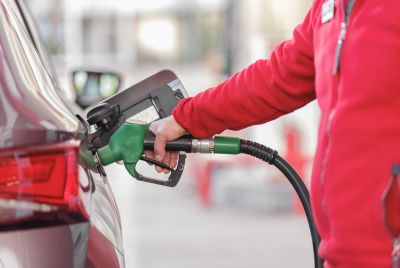
In Australia, which imports more than 90% of its crude oil and refined fuels, the impact has been swift. National average retail prices for unleaded 91-octane petrol stood at approximately 172.9 Australian cents per liter in the week ending Feb. 22, according to the Australian Institute of Petroleum (AIP). However, city-specific figures show higher levels amid the ongoing cycle and recent volatility: Sydney around A$1.98 per liter, Melbourne A$2.08, and Brisbane A$2.02 as of early March. Some stations in major cities reported unleaded prices exceeding A$2.13 per liter, with diesel averages around 180.3 cents per liter nationally.
Analysts warn of further increases. A common rule of thumb holds that every US$10 rise in crude adds roughly 10 Australian cents per liter at the pump. With Brent jumping from around US$67 in late February to near US$80, motorists could face hikes of 10-20 cents per liter in the short term, and potentially up to 40 cents in extreme scenarios if disruptions persist. Compare the Market spokesperson Chris Ford noted that a 30% increase from current levels could push unleaded 91 past A$2.50 per liter in some regions, costing A$125 to fill a 50-liter tank.
The Australian Institute of Petroleum's weekly report for the week ending March 1, 2026, highlighted rising international crude and petrol import prices supplied by Argus Media. Retail prices reflect a combination of global benchmarks, the Australian dollar exchange rate, excise taxes, and local competition cycles that see prices swing weekly in cities like Sydney, Melbourne, and Brisbane.
Geopolitical tensions have amplified risks. The conflict has raised fears of prolonged supply interruptions through critical chokepoints, prompting warnings from the Reserve Bank of Australia Governor Michele Bullock. She described a "live" chance of an interest rate hike at the March meeting, citing prolonged oil price spikes as a threat to inflation control and economic growth. Bullock noted that elevated energy costs could prove stubborn, complicating the central bank's efforts to tame inflation.
Australia's fuel security adds urgency. The nation maintains stocks equivalent to only about 36-90 days of supply in some assessments, well below the International Energy Agency's 90-day target for members. Recent reports indicate petrol reserves have dipped low, heightening vulnerability to shocks. Experts like those from NRMA and Compare the Market have urged motorists not to panic but to fill up strategically, as prices could climb 6-10% or more depending on developments.
ASX-listed energy companies have benefited from the rally. Woodside Energy shares rose 6.15% to A$30.05, up nearly 30% year-to-date, while Santos climbed 5.62% to A$7.14, gaining about 16% in 2026. The broader market felt pressure, with the S&P/ASX 200 dropping amid global uncertainty, though energy stocks provided some offset.
Household impacts extend beyond the pump. Higher fuel costs feed into transport, goods delivery, and inflation. Commonwealth Bank analysts warned of economic "consequences" from sustained spikes, including threats to growth. Diesel sales have surged due to increased home deliveries and logistics demand, while sales of E10 ethanol blends and LPG have declined.
The government has monitored the situation closely. FuelWatch in Western Australia advised Perth and Mandurah motorists to fill up before expected rises, with average unleaded projected to hit 188.6 cents per liter from March 4, and some brands reaching 213.9 cents. Low-price options remained available below 155 cents at select sites.
Longer-term trends show volatility. Brent averaged in the mid-US$60s for much of late 2025, far below 2022 peaks above US$100. The current rally marks the highest levels since mid-2022, driven by supply fears rather than demand surges. OPEC+ decisions, non-OPEC production, and global economic outlook will influence whether the spike proves temporary or entrenched.
Motorists can mitigate costs by using apps like FuelWatch or PetrolSpy to find cheapest stations, timing fills during low-cycle periods, and considering fuel-efficient vehicles. Electric vehicle adoption continues to grow as an alternative amid rising liquid fuel prices.
As the Middle East situation evolves, oil and petrol prices remain fluid. Analysts monitor for de-escalation, which could unwind premiums quickly, or further escalation that sustains higher levels. For now, Australian drivers face elevated costs at the bowser, a direct echo of distant geopolitical events reshaping daily life and the economy.
© Copyright 2026 IBTimes AU. All rights reserved.
- Recommended For You