Dow Jones Industrial Average Falls Sharply as Geopolitical Tensions Over Iran War Weigh on Markets
NEW YORK — The Dow Jones Industrial Average closed lower Tuesday, shedding more than 400 points amid persistent volatility driven by the escalating conflict involving Israel, the United States, and Iran. Investors grappled with fears of prolonged supply disruptions in global oil markets, though a late-session rebound trimmed earlier steep losses.
The blue-chip index ended at 48,501.27, down 403.51 points or 0.83% from Monday's close of 48,904.78. Intraday trading saw dramatic swings: the Dow plunged as much as 1,250 points early in the session before recovering significantly as reports emerged of indirect U.S.-Iran contacts aimed at de-escalation and President Donald Trump's assurances that the U.S. Navy would escort tankers through the Strait of Hormuz.
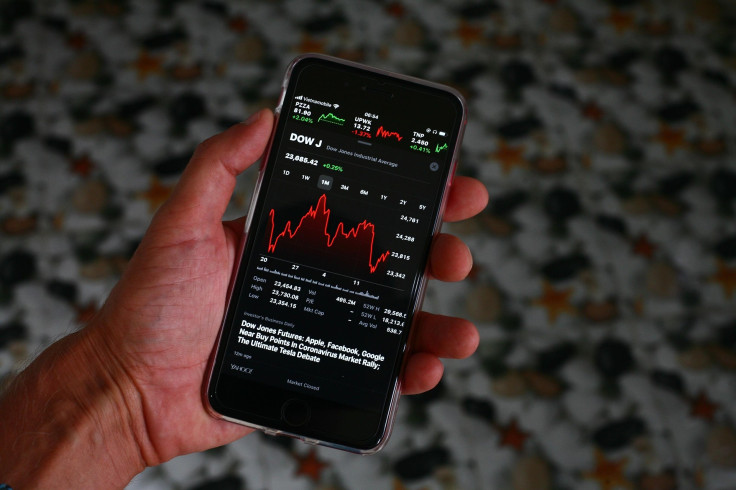
The broader market mirrored the unease. The S&P 500 slipped 0.94% to around 6,847, while the tech-heavy Nasdaq Composite fell 1.02%. Volume reached 533 million shares on the Dow components, reflecting heightened trading activity.
The sell-off stemmed primarily from geopolitical developments. Fresh Israeli and U.S. strikes on Iranian targets, including infrastructure and security apparatus in Tehran, intensified concerns about a wider regional war. Oil prices extended their rally, with Brent crude climbing more than 2% to near $84 per barrel at one point — levels not seen since early 2025 — before easing slightly on hopes for diplomatic progress. Higher energy costs threaten to fuel inflation and pressure consumer spending, key vulnerabilities for an economy already navigating post-pandemic recovery challenges.
President Trump addressed the situation overnight, stating the U.S. stands ready to protect shipping lanes despite Iran's threats. This provided some reassurance, contributing to the intraday rebound. Analysts noted that markets have historically shaken off geopolitical shocks relatively quickly if supply disruptions prove temporary, though sustained conflict could alter that dynamic.
Key Dow components showed mixed performance amid the turmoil. Energy-related names like Chevron gained on rising crude prices, while industrials such as Caterpillar and Boeing faced heavier selling pressure tied to broader economic fears. Tech and consumer stocks lagged, with declines in names like Nike and UnitedHealth contributing to the index's drop.
Broader market sentiment reflected caution. The conflict has overshadowed other economic data, including upcoming ADP private payrolls figures expected later in the week. Treasury yields ticked higher as investors weighed inflation risks from energy costs against potential growth slowdowns.
Wall Street's reaction aligns with global trends. Asian markets, including South Korea's Kospi, reversed earlier gains amid the uncertainty, while European indexes also traded lower. Gold futures advanced as a safe-haven play, underscoring risk aversion.
Despite the decline, the Dow remains up about 12-14% over the past year, with a 52-week range from roughly 36,600 to over 50,500. The index has hovered near record highs in recent months before the latest volatility. Year-to-date performance has been positive, though the war has introduced new uncertainties.
Analysts offered varied outlooks. Some viewed the pullback as an overreaction to headlines, pointing to resilient corporate earnings and consumer strength. Others warned that prolonged Middle East instability could disrupt global supply chains, raise borrowing costs, and complicate Federal Reserve policy. The central bank has been monitoring energy price impacts closely, with higher oil potentially delaying rate adjustments.
The rebound from session lows highlighted dip-buying interest. Reports of possible indirect negotiations between the U.S. and Iran boosted hopes for containment, helping stocks claw back ground. Futures trading early Wednesday suggested a tentative recovery, with Dow futures up modestly around 0.1-0.3% in pre-market action as of March 4.
Looking ahead, market participants will watch for any de-escalation signals, oil price stabilization, and economic indicators. The conflict's trajectory remains the dominant driver, with potential for continued swings if developments shift rapidly.
The Dow's performance Tuesday underscores the market's sensitivity to geopolitical risks, even as underlying fundamentals show resilience. Investors remain focused on balancing short-term volatility against longer-term growth prospects in an uncertain global environment.
© Copyright 2026 IBTimes AU. All rights reserved.
- MOST POPULAR IN News