Elon Musk vs Jensen Huang 2026: Who Is the Superior Entrepreneur and CEO?
Exploring the contrasting leadership styles and impacts of Elon Musk and Jensen Huang in the AI revolution.
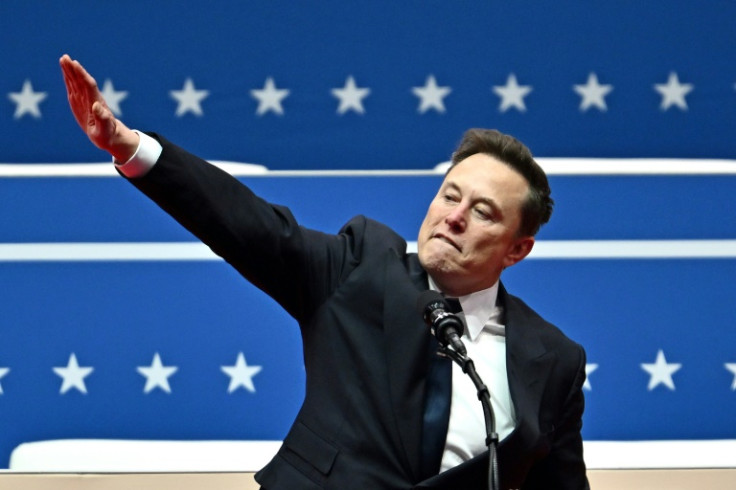
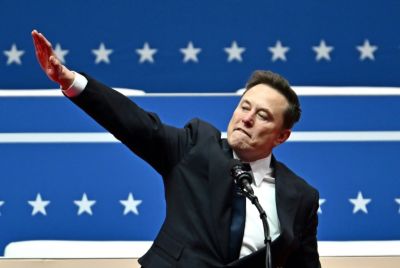
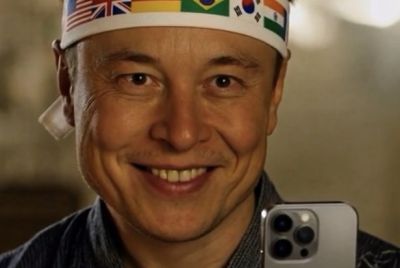
AUSTIN, Texas — In the high-stakes arena of global technology, few rivalries capture the imagination like the contrast between Elon Musk and Jensen Huang. As of mid-2026, Musk's sprawling empire spans electric vehicles, space exploration, artificial intelligence, neural interfaces and social media, while Huang has transformed NVIDIA from a graphics chip specialist into the undisputed powerhouse of the artificial intelligence revolution. Both are titans, yet they represent fundamentally different models of entrepreneurship and leadership.
Musk, with an estimated net worth exceeding $800 billion in 2026, stands as the world's richest person. His companies — Tesla, SpaceX, xAI, Neuralink and X — push boundaries in multiple industries simultaneously. Huang, whose fortune recently surpassed $190 billion, has steered NVIDIA to a market capitalization that briefly touched $5 trillion, making it one of the most valuable companies on Earth and positioning him as a leading contender for the first trillionaire title.
Musk: The Visionary Risk-Taker
Elon Musk's approach embodies bold, long-term bets on humanity's future. He co-founded Tesla in 2004 and turned it into the world's most valuable automaker by market cap, accelerating the global shift to electric vehicles. SpaceX has revolutionized access to space with reusable rockets and Starlink, while xAI and Neuralink tackle fundamental questions in intelligence and human augmentation.
Musk's leadership style is intense and hands-on. He is known for 80- to 120-hour workweeks, sleeping on factory floors during production crises, and publicly challenging employees to meet aggressive deadlines. This "hardcore" culture has produced breakthroughs but also drawn criticism for burnout and high turnover. Supporters argue his willingness to risk everything — including personal fortune — on seemingly impossible goals defines true entrepreneurship.
Critics point to controversies, including regulatory battles, public statements that move markets, and execution challenges at Tesla and X. Yet Musk's ability to attract top talent and capital remains unmatched. His recent China trip alongside Jensen Huang and other CEOs underscored his global influence.
Huang: The Methodical Architect of the AI Era
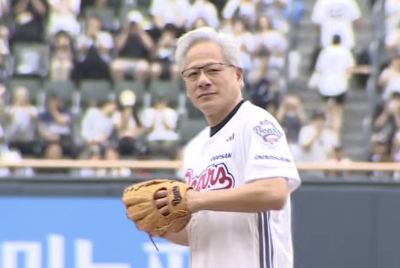
Jensen Huang co-founded NVIDIA in 1993 and has led it for over three decades with remarkable consistency. Under his guidance, the company pivoted from gaming graphics to dominating accelerated computing and AI. NVIDIA's GPUs power the vast majority of the world's AI training and inference workloads, creating what many call the "picks and shovels" of the artificial intelligence gold rush.
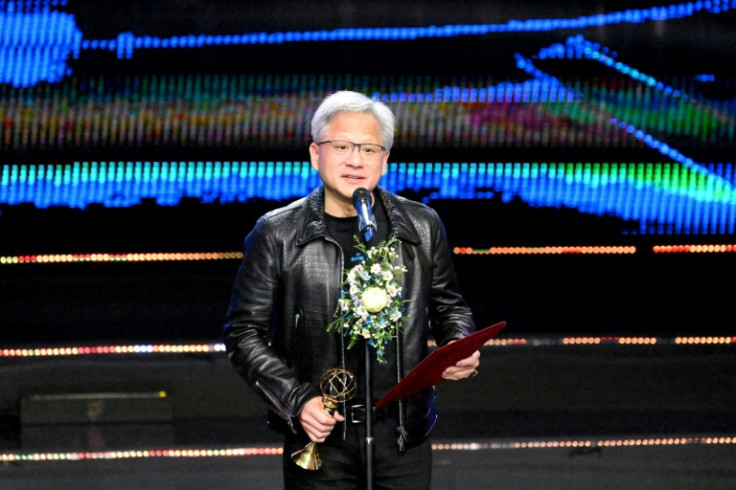
Huang's style differs sharply from Musk's. He avoids one-on-one meetings with direct reports, favors small, focused discussions, and emphasizes long-term strategic thinking over dramatic public gestures. NVIDIA's culture is fast-paced yet disciplined, with Huang credited for building one of Silicon Valley's most effective engineering organizations. His leadership has delivered consistent execution, turning NVIDIA into the first company to hit multi-trillion-dollar valuations driven primarily by AI demand.
Huang has repeatedly praised Musk, calling him "superhuman" and highlighting Tesla's AI factory ambitions. Their mutual respect was on display during the recent Beijing trip, where both executives accompanied President Trump.
Key Metrics and Impact
Scale and Wealth: Musk leads in personal net worth and breadth of companies. Huang leads in single-company impact and market capitalization efficiency. NVIDIA's rise has created hundreds of billions in shareholder value with fewer public controversies.
Innovation Style: Musk excels at first-principles thinking and multi-industry disruption. Huang masters deep technical execution within a focused domain, repeatedly reinventing NVIDIA's core business.
Financial Returns: NVIDIA shareholders have enjoyed extraordinary gains under Huang. Tesla's stock has been more volatile but delivered life-changing returns for early believers. SpaceX, privately held, has created massive paper wealth and strategic value.
Cultural Influence: Musk dominates public discourse and inspires millions with visions of Mars colonization and sustainable energy. Huang maintains a lower public profile but commands immense respect inside the technology industry for technical brilliance and quiet execution.
Complementary Strengths
Many observers note that Musk and Huang are not direct competitors but symbiotic partners. NVIDIA powers much of Tesla's and xAI's computing needs, while Musk's ambitious projects create sustained demand for Huang's chips. Their recent joint appearance in China highlights how their collaboration advances American technological leadership.
Ultimately, declaring one "better" depends on criteria. Musk wins on visionary scope, risk appetite and cultural impact. Huang excels in consistent execution, technical depth and sustainable value creation within a single transformative industry.
As artificial intelligence reshapes the global economy, both leaders will continue defining the era. Musk pushes humanity toward multi-planetary existence and advanced intelligence. Huang provides the foundational computing power making those dreams technically feasible. Their rivalry — marked by mutual respect rather than animosity — elevates the entire technology sector.
For entrepreneurs and aspiring CEOs, the lesson is clear: different paths can lead to extraordinary success. Musk demonstrates the power of audacious goals and public mobilization. Huang shows the strength of relentless focus and organizational discipline. In 2026 and beyond, the technology world needs both archetypes to tackle humanity's greatest challenges.
Whether measured by wealth, innovation or lasting legacy, Musk and Huang stand among the most consequential business leaders of their generation. Their contrasting styles enrich the ongoing conversation about what defines exceptional entrepreneurship and CEO excellence in the age of artificial intelligence. As their companies continue shaping the future, the world watches to see whose vision ultimately delivers the greater transformation.
© Copyright 2026 IBTimes AU. All rights reserved.
- Recommended For You