Elon Musk vs Sam Altman Lawsuit Update: Ouster Bid and $134B Stakes as OpenAI Trial Looms in Days
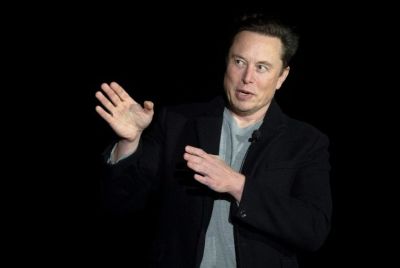
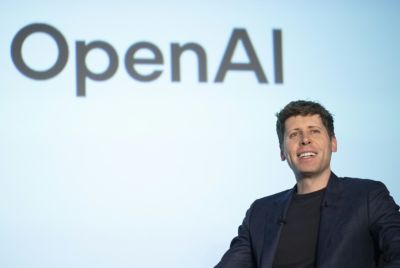
OAKLAND, Calif. — With jury selection set to begin April 27 in a federal courtroom here, Elon Musk has escalated his long-running legal battle against OpenAI and CEO Sam Altman, filing an amended complaint this month that seeks to remove Altman and President Greg Brockman from their leadership roles while directing any monetary award to OpenAI's original nonprofit arm rather than himself personally. The high-stakes case, which accuses the ChatGPT maker of abandoning its founding mission to develop artificial general intelligence for humanity's benefit, is now just days from trial and could reshape governance and control of one of the world's most valuable AI companies.

Musk, who co-founded OpenAI in 2015 alongside Altman and others as a nonprofit dedicated to safe and open AI research, donated tens of millions before departing in 2018. He filed the original lawsuit in August 2024, alleging that OpenAI and Altman breached contractual and fiduciary duties by converting the organization into a for-profit entity closely tied to Microsoft. The shift, Musk claims, prioritized commercial gains over the public-benefit mission, including through massive investments from Microsoft that have valued OpenAI at hundreds of billions of dollars.
In a significant amendment filed April 7, Musk's legal team clarified the remedies sought. Rather than pursuing personal damages — previously estimated in filings at up to $134 billion or more — Musk now proposes that any winnings go directly to OpenAI's nonprofit entity. The filing also explicitly requests court orders to remove Altman from the nonprofit board and strip both Altman and Brockman of their officer positions at the for-profit subsidiary, along with any associated equity and financial benefits. Musk's lawyers described the move as aligning remedies with the lawsuit's core goal: unwinding the for-profit restructuring and restoring the company's original charitable focus.
OpenAI has pushed back sharply, accusing Musk of a "legal ambush" with the last-minute changes just weeks before trial. In court filings and communications to investors, the company argued that the revised remedies introduce new issues requiring additional discovery and witnesses, potentially disrupting the proceedings. OpenAI has also warned stakeholders to expect "deliberately outlandish, attention-grabbing claims" from Musk as the trial approaches, framing the suit as part of a broader pattern of competitive pressure from the Tesla and xAI founder.
U.S. District Judge Yvonne Gonzalez Rogers has already cleared the path for a jury trial, rejecting earlier attempts by OpenAI and Microsoft to dismiss the case. In a January 2026 hearing, she stated plainly, "This case is going to trial," citing evidence that Musk's claims of broken promises warranted jury consideration. The trial, expected to last several weeks and potentially conclude around mid-May, will feature testimony from key figures including Altman, Brockman and possibly Microsoft CEO Satya Nadella.
At the heart of the dispute lies OpenAI's evolution from a nonprofit research lab to a capped-profit company with a complex governance structure. Musk alleges that Altman and Brockman assured him and other early backers that the organization would remain committed to open-source principles and humanity-first development, especially as it raced toward artificial general intelligence. Instead, he claims the company closed off models like GPT-4, forged deep commercial ties with Microsoft, and pursued profit-driven strategies that betray those founding ideals.
OpenAI counters that the restructuring was necessary to attract the massive capital required for cutting-edge AI development and that it maintains safeguards to ensure its technology benefits society. The company has pointed to its safety efforts, partnerships and continued research output as evidence of mission alignment. Lawyers for OpenAI have dismissed Musk's damages theories as speculative "numbers out of the air" and argued that his evolving remedy requests undermine the case's viability.
The lawsuit has already produced dramatic pretrial moments, including unsealed documents revealing internal communications, diaries and text messages. Depositions have highlighted tensions, with some former OpenAI insiders criticizing Altman's leadership style. A separate trade-secrets lawsuit filed by Musk's xAI against OpenAI was dismissed in February 2026, though that judge allowed for potential refiling.
Public and investor attention has intensified as the trial date nears. Prediction markets like Polymarket have given low odds — around 8-10 percent — of Musk prevailing outright, reflecting skepticism about the strength of his breach-of-contract and fraud claims. Yet the case's potential impact extends far beyond any payout. A ruling in Musk's favor could force governance changes at OpenAI, affect its Microsoft partnership and set precedents for how nonprofit-to-profit transitions are handled in the fast-moving AI sector.
The feud between Musk and Altman, once collaborators, has become one of Silicon Valley's most public rivalries. Musk has launched xAI as a direct competitor, positioning it as a truth-seeking alternative focused on understanding the universe. He has repeatedly warned about AI risks and criticized OpenAI's direction, including its shift away from full open-sourcing. Altman, meanwhile, has steered OpenAI through explosive growth, raising tens of billions while navigating regulatory scrutiny and safety debates.
Broader implications for the AI industry are significant. The trial could influence how other labs balance profit motives with ethical commitments, especially as companies race toward more powerful systems. It also highlights tensions over control of foundational technology that could transform economies and societies. With AI valuations soaring — OpenAI reportedly eyed at $850 billion or more in recent discussions — the stakes involve not just billions but the future trajectory of the technology itself.
As jury selection approaches, both sides are preparing intensely. Musk's team aims to present evidence of specific promises made during OpenAI's founding, including journal entries and emails that allegedly show intent to keep the organization nonprofit and open. OpenAI plans to defend its evolution as pragmatic and necessary, emphasizing that rigid adherence to the original structure would have left it unable to compete with well-funded rivals like Google's DeepMind.
Legal experts note that jury trials in complex business disputes can be unpredictable, particularly when emotional elements like broken trust and competing visions of humanity's future enter the mix. Even if Musk does not win outright, the proceedings could expose sensitive internal details and damage reputations on both sides.
Musk has framed the suit as a matter of principle rather than personal gain, pledging in earlier statements that any proceeds would support charitable causes aligned with safe AI development. The April 7 amendment reinforces that position, potentially strengthening his narrative before a jury of ordinary citizens who may view the case through the lens of fairness and mission fidelity.
For Altman and OpenAI, the coming weeks represent a critical test. A loss could trigger structural upheaval at a time when the company is pushing frontier models and expanding globally. Victory would likely solidify its current path and blunt Musk's criticisms, allowing focus to remain on innovation amid intensifying competition from xAI, Anthropic and others.
As the courtroom drama unfolds in Oakland starting April 27, the world will watch closely. The Musk-Altman showdown is more than a billionaire grudge match — it is a referendum on how the AI revolution should be governed, who should control its most powerful tools and whether profit and humanity's best interests can coexist in the race to artificial general intelligence.
With opening statements just days away, the latest filings have only heightened anticipation. Whatever the jury decides, the case is certain to leave a lasting mark on the AI landscape and the relationship between two of the technology's most influential figures.
© Copyright 2026 IBTimes AU. All rights reserved.
- Recommended For You