Elon Musk vs Jeff Bezos: Who Will Win the Space Race? SpaceX Leads Race as Both Target Moon in 2026
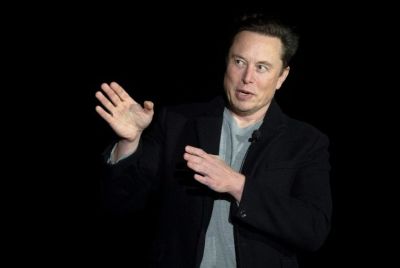
Elon Musk's SpaceX holds a commanding lead in the intensifying rivalry with Jeff Bezos' Blue Origin, launching more rockets, deploying thousands of satellites and securing key NASA contracts, even as both billionaires pivot aggressively toward lunar ambitions in 2026 amid a broader U.S. push to beat China back to the Moon.

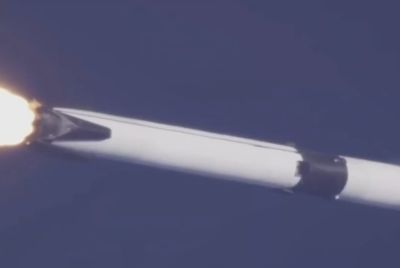
As of April 2026, SpaceX has flown hundreds of missions with its reusable Falcon 9 rockets, maintains a Starlink constellation exceeding 10,000 satellites and continues rapid testing of its massive Starship vehicle. Blue Origin, while making strides with its New Glenn rocket — including successful booster landings in late 2025 — remains years behind in flight rate and orbital infrastructure.
The contest, once focused on low-Earth orbit and reusable rocketry, has shifted to the Moon. Musk has redirected SpaceX resources toward "Moonbase Alpha," including plans for a lunar launch device, while Bezos has refocused Blue Origin on its Blue Moon lander for NASA's Artemis program.
"This rivalry is accelerating America's return to the Moon," said a NASA official involved in Artemis planning. "Competition between these two is healthy, even if one is clearly ahead right now."
SpaceX's Dominance in Launch and Satellites
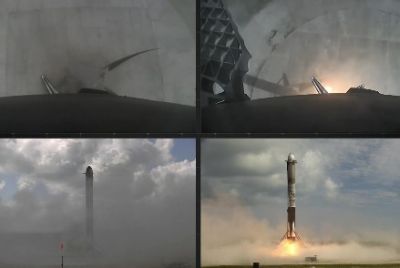
SpaceX's operational edge is undeniable. The company generated roughly $8 billion in profit in 2025 and has received more than $24 billion in U.S. government funding over time. Its Falcon 9 rocket achieved the first orbital-class booster landing a decade before Blue Origin's New Glenn accomplished similar feats.
In 2026, SpaceX prepares to fly an upgraded Starship version 3 with enhanced payload capacity — up to 200 tons to low-Earth orbit in reusable mode. The vehicle's full reusability and potential for orbital refueling remain critical for lunar missions, though testing has included fiery setbacks that Musk embraces as part of rapid iteration.
Starlink continues to expand, providing broadband to remote areas and generating significant revenue. Musk has dismissed Blue Origin's new TeraWave satellite constellation — a planned 5,408-satellite network promising up to 6 terabits per second — by stating that SpaceX's laser links will surpass those speeds.
Blue Origin announced TeraWave in January 2026 as a direct challenge, alongside Amazon's Project Kuiper (now Leo) efforts. Yet analysts say SpaceX's head start and scale make catching up difficult in the near term.
Blue Origin's Methodical Approach Gains Traction
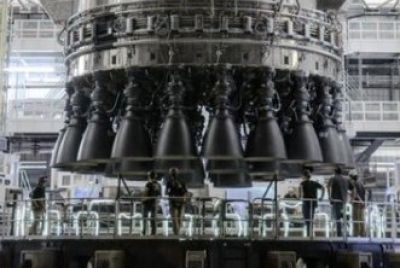
Bezos has poured more than $10 billion of his personal fortune into Blue Origin since its founding, calling it his most important work. The company's New Glenn rocket, powered by BE-4 engines, achieved its first orbital flight and booster recovery in 2025. Plans call for 12 or more launches in 2026, with potential for up to 24.
New Glenn's upgrades, including variants with greater thrust, position it as a heavy-lift competitor, though its payload capacity remains smaller than Starship's. Blue Origin has shifted resources toward the Blue Moon lander, aiming for uncrewed lunar missions soon and crewed capabilities later.
In NASA's Artemis program, SpaceX holds the primary human landing system contract worth billions for Starship-derived landers. Blue Origin secured a $3.4 billion award for a competing lander starting with later missions, such as Artemis V. NASA has adjusted timelines, adding test flights and reopening elements of competition due to Starship delays, giving Blue Origin a clearer path on some fronts.
Internal Blue Origin documents suggest a strategy to avoid Starship's complex orbital refueling by pursuing a more straightforward architecture, prompting public jabs between the founders, including Bezos sharing turtle memes implying slow-and-steady wins.
Lunar Focus Intensifies Rivalry
Both companies now eye sustained lunar presence ahead of China's targeted 2030 crewed landing. Musk envisions a self-growing lunar city with satellite-slinging capabilities. Bezos has long advocated industrial activity on the Moon, including potential factories.
NASA's Artemis program relies on both: SpaceX for initial human landing systems and Blue Origin for cargo and follow-on landers. Recent changes to Artemis architecture include low-Earth orbit tests of commercial landers, potentially accelerating development for either or both firms.
The competition has spurred investor interest in the broader lunar economy, with startups in rovers, infrastructure and resource utilization reporting increased attention. One lunar company CEO noted 20 investor inquiries in a single week following heightened Musk-Bezos announcements.
Contrasting Styles, Shared Goals
Musk's "move fast and break things" philosophy has delivered rapid progress — and occasional explosions during Starship tests — but also criticism over safety and regulatory pace. Bezos favors a more deliberate, engineering-heavy approach, which critics say has slowed Blue Origin but may yield more reliable systems long-term.
Both face pressure in 2026. SpaceX must demonstrate reliable Starship refueling and lunar-capable flights. Blue Origin needs to ramp New Glenn operations and prove its lander technology.
The rivalry extends beyond hardware. Musk's xAI ties and planned SpaceX IPO (potentially valuing the company at over $1 trillion) contrast with Bezos stepping back from Amazon to focus more on Blue Origin. Public exchanges on social media add drama, yet both have expressed respect for the other's contributions to humanity's spacefaring future.
NASA leaders have praised private investment from Musk, Bezos and others, noting it advances capabilities benefiting all. "These billionaires are putting resources on the line for the good of humankind," one official said.
Broader Implications for U.S. Space Leadership
The Musk-Bezos contest occurs against a national push to maintain superiority over China in cislunar space. Delays in government-led systems like the Space Launch System have elevated commercial partners.
Analysts say SpaceX currently "wins" on metrics of launches, revenue and deployed infrastructure. Blue Origin, however, could close gaps if New Glenn achieves high flight rates and its lunar lander matures faster than expected.
No clear victor exists yet in the long-term "space war." Musk's Mars ambitions persist in the background, while Bezos emphasizes gradual expansion from the Moon outward. The real beneficiaries may be NASA and the emerging space economy, driven by competition that lowers costs and accelerates innovation.
For now, SpaceX sets the pace while Blue Origin mounts a serious challenge. As both target the Moon in 2026 and beyond, their duel could determine not just who plants more footprints on lunar soil, but the speed and scale of humanity's multi-planetary future.
© Copyright 2026 IBTimes AU. All rights reserved.
- Recommended For You