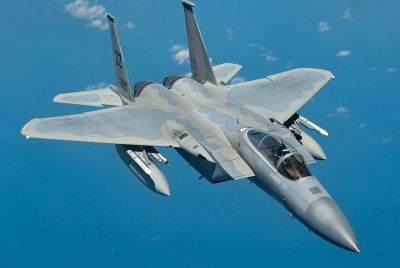
Top 10 Best Weapons in Australia's Arsenal 2026 Led by F-35A Stealth Fighters and HIMARS Long-Range Rockets
CANBERRA, Australia — Australia's military modernization drive has equipped the Australian Defence Force (ADF) with some of the most advanced conventional weapons systems in the Indo-Pacific region as of 2026, emphasizing long-range strike, fifth-generation air power and sovereign munitions production to deter potential threats.
With a 2026 Global Firepower ranking around 17th worldwide, the ADF relies on high-technology platforms rather than mass numbers. Key investments under the Guided Weapons and Explosive Ordnance (GWEO) enterprise, AUKUS partnership and integrated investment program have delivered capable systems across air, land and sea domains.
Here are the 10 best weapons in Australia's arsenal in 2026, ranked by strategic impact, technological sophistication and operational effectiveness based on current ADF capabilities and recent deliveries:

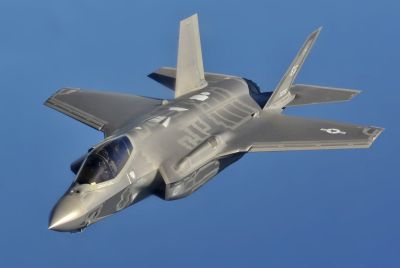
- Lockheed Martin F-35A Lightning II Stealth Fighter — The Royal Australian Air Force operates a full fleet of 72 F-35As, including the latest Technology Refresh 3 upgrades. These fifth-generation stealth aircraft provide unmatched air superiority, sensor fusion and networked warfare capabilities. Armed with advanced air-to-air and air-to-ground munitions, the F-35A forms the backbone of Australia's air combat power and integrates seamlessly with allied forces.
- High Mobility Artillery Rocket System (HIMARS) with GMLRS and PrSM — The Australian Army has taken delivery of multiple HIMARS launchers, now paired with domestically produced Guided Multiple Launch Rocket System (GMLRS) missiles manufactured in Australia since early 2026. With a range exceeding 70 kilometers for GMLRS and up to 500+ kilometers for the Precision Strike Missile (PrSM), these systems deliver precision long-range fires. Australia aims for high-rate production of up to 4,000 GMLRS annually by 2029, marking a major step toward sovereign guided weapons capability.
- Boeing EA-18G Growler Electronic Attack Aircraft — Australia's fleet of Growlers provides world-class electronic warfare support, jamming enemy radars and communications while protecting strike packages. The aircraft's advanced ALQ-99 and Next Generation Jammer systems make it a force multiplier in contested environments.
- Boeing F/A-18F Super Hornet — Complementing the F-35A, the Super Hornets deliver multirole strike capability with a proven track record. Recent integration of the Long-Range Anti-Ship Missile (LRASM) has significantly enhanced their anti-surface warfare role.
- M1A2 SEPv3 Abrams Main Battle Tank — The Army is fielding upgraded Abrams tanks with enhanced armor, sensors and firepower. These heavy armor assets provide mobile protected firepower for high-intensity land operations, supported by new combat engineering variants.
- AS21 Redback Infantry Fighting Vehicle — Produced locally by Hanwha Defense, the Redback offers superior protection, mobility and firepower compared to older platforms. Equipped with a 30mm cannon and advanced optics, it serves as a key component of the Army's future armored formations.
- Northrop Grumman MQ-4C Triton Unmanned Aerial Vehicle — The first Tritons enhance maritime surveillance and intelligence gathering over vast ocean areas. Operating at high altitudes for extended periods, these drones provide persistent wide-area monitoring critical for Australia's maritime strategy.
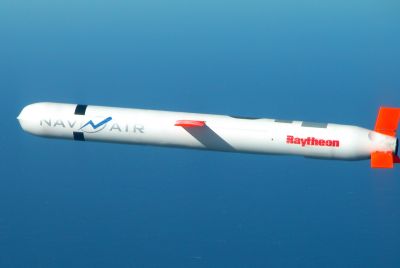
- Tomahawk Land Attack Missile — Integrated aboard Hobart-class destroyers and potentially other platforms, Tomahawk gives the Royal Australian Navy long-range precision strike capability reaching 2,500 kilometers. Over 200 have been ordered, bolstering naval surface strike options.
- NASAMS Air Defence System with AMRAAM-ER — The National Advanced Surface-to-Air Missile System, enhanced with Australian CEA radars and AMRAAM-Extended Range missiles, provides layered medium-range air and missile defence. It ranks among the most advanced NASAMS configurations globally.
- Collins-class Submarines (with future nuclear transition under AUKUS) — While conventionally powered, the upgraded Collins fleet remains a potent anti-submarine and strike asset. Preparations for the AUKUS nuclear-powered submarine program underscore Australia's long-term undersea warfare ambitions.
These systems reflect Australia's strategic shift toward "impactful projection" and deterrence through long-range strike and integrated air-sea-land operations. The GWEO plan has accelerated sovereign missile production, reducing reliance on foreign supply chains. Local manufacturing of GMLRS at the new facility represents the first such capability outside the United States.
The Royal Australian Navy benefits from Hobart-class guided missile destroyers armed with Standard Missile-6 and Naval Strike Missiles, while Hunter-class frigates under construction will add further anti-submarine and surface warfare punch. Uncrewed systems, including the Ghost Bat loyal wingman drone and Ghost Shark autonomous underwater vehicle, are advancing rapidly in testing phases.
Small arms and infantry weapons remain modern but receive less public attention. The Enhanced F88 Austeyr bullpup rifle continues as the standard individual weapon, with ongoing evaluations for a future replacement under Land 159. Sniper systems include Accuracy International AX-SR rifles, while new sidearms like the SIG Sauer P320 are rolling out.
Experts note that Australia's strength lies in quality, interoperability with allies (particularly the U.S. and U.K. through AUKUS and Quad) and rapid adoption of advanced technologies rather than sheer quantity. Challenges include a relatively small active force of around 59,000 personnel and the need to sustain high-tech platforms amid rising regional tensions.
Defense spending continues to grow, with significant allocations for munitions stockpiles, autonomous systems and cyber capabilities. The 2026 National Defence Strategy is expected to further refine force posture, emphasizing northern approaches and maritime denial.
For a nation with vast maritime approaches and limited population, these top weapons provide credible deterrence and the ability to contribute meaningfully to coalition operations. Ongoing investments in directed energy weapons, hypersonic research and AI-enabled systems suggest even more capable platforms on the horizon.
Australia's defense industry has grown alongside these acquisitions, with local firms contributing to maintenance, upgrades and sovereign production. This approach enhances resilience and creates high-skilled jobs while supporting export potential.
As geopolitical dynamics evolve in the Indo-Pacific, Australia's carefully selected arsenal of advanced weapons underscores its commitment to a rules-based order and strong alliances. The combination of stealth air power, precision rockets and integrated defence systems positions the ADF as a sophisticated, technologically advanced force capable of protecting national interests well into the future.
© Copyright 2026 IBTimes AU. All rights reserved.
- Recommended For You