Top 10 Deadliest American Weapons Unleashed on Iran – B-2 Bombers to Massive Bunker Busters
Washington — As the United States and Israel press their joint military campaign against Iran in Operation Epic Fury, now in its fourth week as of March 23, 2026, American forces have employed a wide range of sophisticated weapons systems to degrade Iranian missile, drone, naval, and nuclear-related capabilities. The conflict, which began with surprise strikes on February 28 targeting Iranian leadership and strategic sites, has seen U.S. forces strike thousands of targets while defending against retaliatory barrages of ballistic missiles and drones.
U.S. Central Command (CENTCOM) reports over 7,800 targets hit across Iran, with significant degradation of Iranian ballistic missile launches—down approximately 90%—and one-way attack drone threats reduced by 95%. The operation emphasizes precision strikes to neutralize threats without pursuing regime change, according to Defense Secretary Pete Hegseth and Joint Chiefs Chairman Gen. Dan Caine.
Here are 10 of the most impactful U.S. weapons systems deployed in the conflict, based on CENTCOM disclosures, Pentagon briefings, and defense analyses:

- B-2 Spirit Stealth Bomber — The bat-winged B-2, each valued at over $2 billion, conducted round-trip missions from the United States to deliver massive 2,000-pound guided bombs and potentially the 30,000-pound Massive Ordnance Penetrator against hardened underground ballistic missile sites and nuclear facilities. Four B-2s participated in early strikes, showcasing unmatched stealth and long-range penetration capabilities.
- Tomahawk Cruise Missile (BGM-109) — Launched from Arleigh Burke-class destroyers and other surface ships, Tomahawks have struck naval bases, command centers, and infrastructure. Videos released by CENTCOM show USS Thomas Hudner and USS Frank E. Petersen Jr. firing volleys at coastal targets, contributing to the destruction of over 120 Iranian vessels.
- F-35 Lightning II Stealth Fighter — The F-35 has seen extensive combat use, with squadrons from carrier strike groups and bases in Jordan delivering precision strikes. Its stealth, sensor fusion, and electronic warfare capabilities enable suppression of Iranian air defenses, marking a breakthrough for the platform in large-scale operations.
- Precision Strike Missile (PrSM) — Fired from M142 HIMARS launchers, the PrSM made its combat debut against Iranian targets. The short-range ballistic missile, costing around $1.6 million each, provides deep-strike precision, with Adm. Brad Cooper calling it a "historic first" for unrivaled capability against hardened sites.
- Low-Cost Unmanned Combat Attack System (LUCAS) — A one-way attack drone modeled after Iran's Shahed series but produced at low cost (around $35,000-$40,000 per unit), LUCAS has been used in swarms to overwhelm defenses and strike ground targets. Its deployment marks a shift toward affordable, attritable munitions.
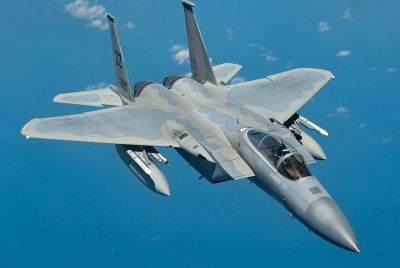
- AGM-158 JASSM Stealth Cruise Missile — The Joint Air-to-Surface Standoff Missile, launched from aircraft like F-35s and F-15Es, targets high-value assets at long range with low observability, helping penetrate defended airspace.
- MQ-9 Reaper Combat Drone — Armed Reaper drones conduct persistent surveillance and precision strikes, launching Hellfire missiles and other munitions against missile launchers, drone facilities, and leadership targets.
- Patriot (MIM-104) Surface-to-Air Missile System — Patriot batteries, including PAC-3 interceptors, have intercepted hundreds of Iranian ballistic missiles and drones targeting U.S. bases and allies. Despite heavy expenditure, stockpiles remain robust through reallocations.
- Terminal High Altitude Area Defense (THAAD) — THAAD systems provide upper-tier interception of short- and medium-range ballistic missiles. Though inventories were strained in prior engagements, they continue coordinating with Navy assets for layered defense.
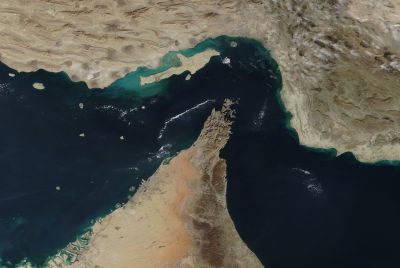
- Mark 48 Heavyweight Torpedo — Deployed from submarines and surface ships, the Mark 48 has targeted Iranian naval vessels and submarines, contributing to the sinking of multiple warships and degradation of Iran's maritime threat in the Persian Gulf and Strait of Hormuz.
These systems reflect a mix of standoff precision munitions, stealth platforms, and defensive interceptors tailored to Iran's asymmetric threats—thousands of ballistic missiles, drones, and naval assets. The campaign has shifted from initial large-scale standoff strikes to more persistent overhead operations as Iranian retaliatory capacity wanes.
Munitions expenditure has raised concerns about stockpiles, with reports indicating rapid depletion of expensive interceptors like THAAD and Patriot amid waves of cheaper Iranian drones and missiles. Analysts note the U.S. has adapted by prioritizing lower-cost options and ramping production, though sustained high-intensity operations strain reserves.
The conflict's trajectory remains uncertain, with CENTCOM emphasizing objectives to eliminate missile, drone, and naval threats while preventing nuclear breakout. President Donald Trump has indicated potential de-escalation if goals are met, though reinforcements—including additional Marines and naval assets—continue deploying to secure key chokepoints like the Strait of Hormuz.
As strikes persist, the U.S. arsenal demonstrates overwhelming technological superiority, but the war underscores challenges in prolonged attrition against resilient, lower-cost threats.
© Copyright 2026 IBTimes AU. All rights reserved.
- MOST POPULAR IN Politics & Policy