US Oil Tanker Vanishes in Strait of Hormuz as Project Freedom Faces Heavy Iranian Fire on Day 2
DUBAI, United Arab Emirates — A U.S.-flagged oil tanker disappeared from tracking systems Tuesday in the Strait of Hormuz as President Donald Trump's "Project Freedom" escort operation entered its second day, triggering urgent search-and-rescue efforts and fears of a major escalation in the volatile waterway.

U.S. Central Command confirmed late Tuesday that contact was lost with the tanker Pacific Star shortly after it entered the narrow chokepoint under American naval protection. The vessel, carrying approximately 2 million barrels of crude, was part of a small convoy escorted by U.S. destroyers and air assets when radar and satellite signals abruptly ceased around 11:40 a.m. local time.
"We are actively searching for the vessel and its crew," Centcom spokesperson Capt. Sarah Jennings said in a statement. "Multiple threats were detected in the area, and we are treating this as a possible hostile action."
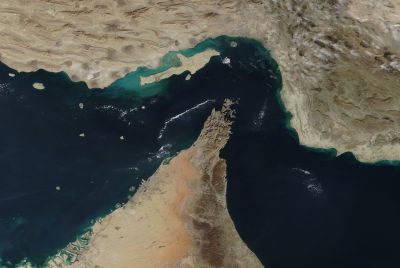
Iranian Revolutionary Guard Corps officials claimed responsibility for "neutralizing" the tanker, describing it as a legitimate target operating in what Tehran calls its territorial waters. State media aired unverified footage showing what appeared to be a large explosion and thick black smoke rising from the sea near the strait's northern entrance.
The disappearance marks the most serious incident since Project Freedom launched on Monday. On the first day, U.S. forces reported sinking at least six Iranian small boats and neutralizing missile and drone attacks while successfully escorting two merchant vessels through the passage. Tuesday's events suggest Iranian forces have adapted their tactics, shifting from direct boat interceptions to more sophisticated standoff weapons.
Oil Markets in Turmoil
Brent crude surged more than 8% in early trading, briefly topping $118 per barrel — the highest level since the initial outbreak of hostilities earlier this year. West Texas Intermediate followed suit, climbing above $114. Energy analysts warned that prolonged disruption to the strait, which handles roughly one-fifth of global oil shipments, could trigger a severe supply shock.
"This is exactly what markets feared," said Rebecca Thompson, senior oil analyst at Energy Intelligence Group. "Even the threat of losing a single large tanker tightens supplies dramatically at a time when inventories are already strained."
Asian buyers, heavily dependent on Gulf crude, scrambled for alternative cargoes from the United States, Brazil and West Africa. Shipping insurance rates for the region spiked to historic levels, with some underwriters refusing coverage entirely.
Search Efforts Underway
U.S. Navy and Coast Guard assets, supported by allied forces from the United Kingdom and Australia, launched a wide-area search involving helicopters, drones and surface vessels. The Pacific Star had a crew of 28, including American, Filipino and Indian nationals. No distress signals or lifeboat beacons have been detected so far.
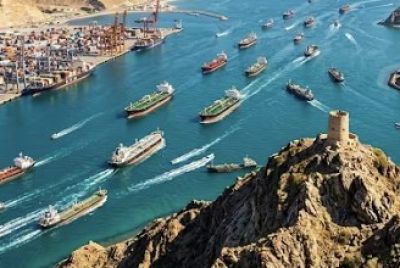
Maritime tracking data showed the tanker's AIS signal vanishing suddenly while traveling at normal speed in a designated transit corridor. Analysts noted the area is known for mine-laying risks and anti-ship missile batteries positioned on the Iranian coastline.
Iranian officials offered conflicting statements. The foreign ministry called the incident "a consequence of American aggression" while a military spokesperson celebrated it as a "defensive victory." Oman, whose waters border the southern entrance of the strait, reported possible debris sightings but has not confirmed involvement in recovery operations.
Ceasefire in Tatters
The incident casts serious doubt on the fragile ceasefire negotiated in early April following months of U.S.-Israeli strikes on Iranian targets. Trump administration officials described Project Freedom as a necessary step to restore freedom of navigation and prevent a global energy crisis. Iran has labeled the operation an act of war.
White House Press Secretary Karoline Leavitt said President Trump was briefed overnight and "will not tolerate attacks on American vessels or personnel." She declined to comment on potential retaliatory options but emphasized the operation would continue.
Pentagon officials confirmed that additional U.S. warships, including an aircraft carrier strike group rerouted from the Arabian Sea, are heading toward the strait to bolster protection for future convoys. More than 15,000 American service members are now involved in the broader mission.
Human and Economic Toll Mounts
The disappearance adds to growing humanitarian concerns for thousands of seafarers still stranded from earlier restrictions. Maritime unions reported at least 18,000 crew members remain at risk across immobilized vessels, with supplies of food, water and fuel running critically low on some ships.
Global supply chains are already feeling the strain. Qatar declared force majeure on additional LNG cargoes Tuesday, while petrochemical plants in the UAE and Saudi Arabia reduced operations. European and Asian refineries face potential shortages within weeks if the strait remains contested.
Broader Strategic Implications
The Strait of Hormuz has long been a flashpoint, but the current crisis represents an unprecedented direct challenge to Iranian influence over the waterway. Military experts note that modern anti-ship missiles, drones and naval mines have dramatically raised the stakes compared to previous confrontations.
"This is not just about one tanker," said retired Adm. James Stavridis, former NATO supreme allied commander. "It's about who controls one of the world's most critical energy arteries in the 21st century."
Diplomatic efforts continue behind the scenes. Mediators from Oman, Qatar and Pakistan are attempting to broker new talks, but momentum appears stalled. The United Nations Security Council is scheduled to hold an emergency session Wednesday.
What Comes Next
U.S. officials say Project Freedom will proceed with heightened precautions, including larger escort groups and expanded air cover. Additional commercial vessels are queued for escorted transit in coming days, though many shipping companies have temporarily suspended plans through the strait.
For the families of the Pacific Star crew, the wait for news is agonizing. Search operations are expected to continue through the night, with hopes fading as time passes without contact.
The disappearance of the tanker has transformed Project Freedom from a freedom-of-navigation mission into a high-stakes military confrontation with global consequences. Oil markets, international diplomacy and the safety of mariners now hang in the balance as the world watches developments in this narrow but vital stretch of water.
As night fell over the Persian Gulf, the search continued under floodlights and infrared scanners. Whether the Pacific Star was sunk, captured or disabled remains unknown, but its vanishing has already altered the calculus of a conflict that shows no signs of ending soon.
© Copyright 2026 IBTimes AU. All rights reserved.
- Recommended For You