Is Strait of Hormuz Open Now? Strait of Hormuz Partially Reopens Under Fragile US-Iran Ceasefire
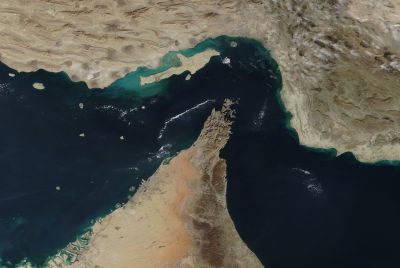
DUBAI, United Arab Emirates — The Strait of Hormuz, the narrow chokepoint that carries roughly one-fifth of the world's oil and liquefied natural gas, is no longer fully closed but remains heavily restricted as a two-week ceasefire between the United States and Iran took effect Tuesday, allowing selective "safe passage" for approved vessels while thousands of ships sit idle nearby.

As of Wednesday, ship-tracking data showed only about 11 vessels transiting the strait in the past 24 hours — roughly 8% of normal daily traffic of around 60 to 135 ships. Throughput stood at approximately 1.3 million deadweight tons, or 12.1% of average levels, according to real-time monitors. Iran has described the arrangement as a "permission-based" system with "technical limitations" coordinated with its armed forces, effectively acting as a gatekeeper even as tensions ease slightly.
The development follows intense diplomatic maneuvering and repeated threats from President Donald Trump, who set a Tuesday 8 p.m. ET deadline for Iran to reopen the waterway or face devastating strikes on its power plants, bridges and other infrastructure. Trump announced the ceasefire agreement late Tuesday, hailing it as a basis for further negotiations, while Iran's Foreign Minister Abbas Araqchi said Tehran would halt counterattacks and permit safe passage if U.S. and allied strikes stopped.
"This is not a full reopening — it's a cautious thaw," said a senior shipping executive with a major European line, speaking on condition of anonymity because of the sensitive situation. "Insurance premiums are still sky-high, and no one wants to be the test case if things go wrong again."
Background: From Full Blockade to Selective Transit
The strait has been in crisis since late February 2026, when joint U.S.-Israeli military strikes on Iran triggered retaliation. Iran, through its Islamic Revolutionary Guard Corps, effectively blockaded the waterway, attacking or threatening merchant vessels and declaring it closed to ships linked to the U.S., Israel and their allies.
Traffic plummeted more than 90% in the initial weeks. Tanker flows dropped sharply, with only a trickle of vessels — often from "friendly" nations like China, India, Russia, Pakistan and Malaysia — slipping through under Iranian approval, sometimes reportedly paying informal fees. By late March, weekly transits numbered in the dozens rather than the thousands typical before the conflict. Over 34,000 shipping routes were diverted in the first month alone, forcing longer, costlier journeys around Africa or elsewhere.
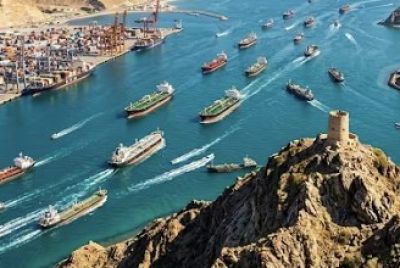
Recent days saw a modest uptick. Last week recorded 53 transits, the highest since the war began, including a French container ship and a Japanese-owned tanker — rare movements for those flags. Container ships and some tankers from non-aligned or neutral countries have tested the waters, particularly in Omani waters on the southern side. Yet overall volume remains a fraction of pre-crisis levels, with hundreds of vessels anchored or loitering in the Persian Gulf and Gulf of Oman waiting for clarity.
Live trackers confirm the restricted status: inbound and outbound lanes see minimal activity, with Iran's navy and coast guard maintaining oversight. Some ships still disable AIS transponders to avoid detection, a risky practice that has persisted throughout the disruption.
Global Ripple Effects: Soaring Energy Prices and Supply Chain Pain
The near-closure has sent shockwaves through global markets. Oil prices surged as roughly 20 million barrels per day of crude and significant LNG volumes were disrupted. Gasoline prices in the U.S. climbed toward $4 a gallon in some areas, while fertilizer shortages loomed for farmers from California's San Joaquin Valley to Europe, threatening higher food costs. Jet fuel replenishment could take months even if flows normalize, aviation officials warned.
Gulf states faced divided fortunes: Iran, Oman and Saudi Arabia saw some windfalls from higher prices or alternative routing advantages, while others dependent on the strait suffered billions in lost export revenue. Asian importers, heavily reliant on Gulf energy, scrambled for alternatives, with some nations negotiating direct deals with Tehran for passage.
Major shipping firms like Maersk expressed caution despite the ceasefire, noting that risk assessments and war-risk insurance remain prohibitive for many routes. More than 800 vessels, including hundreds of tankers, are effectively trapped or delayed in the region, with shipowners now eyeing the two-week window to reposition assets if security improves.
"This isn't just about oil," said an analyst at S&P Global Market Intelligence. "It's food, consumer goods, chemicals — everything that moves by sea. The Red Sea crisis was a warning; Hormuz is on another scale entirely because of its centrality to energy."
Efforts to secure the strait through coalitions or U.N. action have faltered. Russia and China vetoed a watered-down Security Council resolution aimed at reopening the waterway, blocking authorization for multinational naval escorts. About 40 countries discussed joint action in recent weeks, but Western powers recalled the costly and ultimately ineffective Red Sea protection mission against Houthi attacks.
Diplomatic Tightrope and Lingering Risks
The ceasefire provides a fragile breathing room. Trump described Iran's proposal as a negotiation foundation and downplayed immediate U.S. naval escorts, urging other nations to lead. Iran insists the strait will "never return to its former state" for U.S. and Israeli vessels and maintains the right to regulate traffic for "non-hostile" ships that comply with its security rules.
Pakistani Prime Minister Shehbaz Sharif offered to host talks in Islamabad on Friday. Meanwhile, shipping industry groups are pressing for clear rules on what constitutes approved transit to avoid miscalculations that could spark new incidents.
Maritime security firms report ongoing GPS interference and occasional naval patrols. While no major attacks have occurred in recent days, the risk of escalation remains if the ceasefire unravels. Analysts note that Iran's leverage over the strait — its "tollbooth" approach — has proven potent, and Tehran is unlikely to relinquish control entirely without broader concessions.
For now, the narrow 21-nautical-mile-wide passage at its tightest point sees limited movement, primarily smaller or approved commercial traffic hugging Omani waters where possible. Container ships from select Asian lines have crossed, but major oil majors and Western operators remain on the sidelines.
Outlook: Hope for Normalization, But Caution Prevails
As the two-week pause begins, attention turns to whether limited reopenings can scale up. Shipowners are contacting insurers and security providers, hoping for reduced premiums if calm holds. Energy markets will watch closely: any sustained increase in transits could ease prices, while renewed threats might send them spiking again.
The crisis has underscored the vulnerability of global trade chokepoints. From farmers facing fertilizer shortages to airlines managing fuel uncertainty and households paying more at the pump, the stakes are universal.
In the Persian Gulf, a sense of wary optimism mixes with exhaustion after weeks of disruption. "We're watching every ship that moves," one regional port official said. "If this holds, we might see a slow return. If not, the world pays the price again."
The Associated Press contributed to this report from correspondents in Dubai, Washington, London and Tehran. Shipping data compiled from MarineTraffic, Kpler, Lloyd's List Intelligence and Hormuz Strait monitors as of April 8, 2026.
© Copyright 2026 IBTimes AU. All rights reserved.
- Recommended For You