Oil Prices Plunge Below $95 as Trump Announces Iran Ceasefire: Markets React Wildly
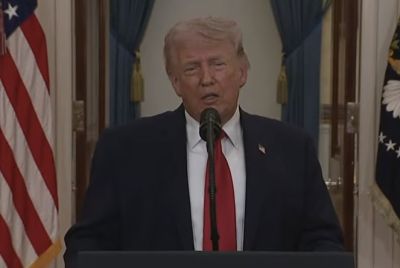
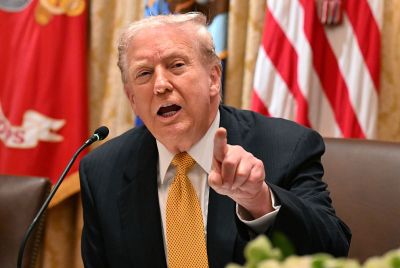
NEW YORK — World oil prices tumbled sharply Wednesday after President Donald Trump announced a framework ceasefire between the United States, Israel and Iran, easing fears of prolonged disruption to crude flows through the Strait of Hormuz and sending Brent crude futures plunging more than 13% in early trading.

As of mid-morning on April 8, 2026, Brent crude — the global benchmark — traded around $94 per barrel, down from Tuesday's settlement near $109-$111 and far below the $118 peak reached in late March amid fears of extended closure of the vital shipping chokepoint. West Texas Intermediate (WTI) crude also fell heavily, trading near $95-$96 per barrel after earlier sessions above $110.
The dramatic reversal followed Trump's statement that a ceasefire framework had been received and accepted in principle by both sides, raising hopes that tanker traffic through the Strait of Hormuz — which carries about one-fifth of global oil supply — could resume soon. Markets had priced in significant supply risks since late February when military actions escalated, effectively halting much of the flow and driving prices from around $60-$70 at the start of the year to over $118 by quarter's end.
Analysts described the move as a classic risk-off reaction. "Geopolitical premium that built up over weeks is evaporating fast," said one energy trader. "If the ceasefire holds and Hormuz reopens, we could see prices test $80 or lower in the coming sessions as inventories rebuild."
The first quarter of 2026 saw one of the most volatile periods in recent oil market history. Brent began the year near $61 per barrel but surged sharply after Feb. 28 military actions and the subsequent de facto closure of the Strait of Hormuz. Prices finished the quarter at $118, with product markets seeing even steeper gains as refiners scrambled for alternative supplies.
OPEC+ responded by agreeing to raise output quotas by 206,000 barrels per day for May, a modest increase aimed at offsetting some losses but largely symbolic given physical constraints on several producers. Saudi Arabia and other Gulf exporters set record premiums for their flagship crudes as buyers competed for limited available barrels.
U.S. oil premiums also hit record highs as the world scrambled for non-Middle Eastern crude. WTI briefly traded above Brent in early April, an unusual inversion reflecting strong domestic supply and logistical advantages for North American barrels.
Despite the plunge on ceasefire news, prices remain well above year-ago levels. One year prior, Brent traded near $63-$70 per barrel. The net gain still reflects tighter fundamentals entering 2026, including recovering global demand and years of underinvestment in new production.
Longer-term forecasts vary widely. J.P. Morgan maintains a bearish outlook, projecting Brent averaging around $60 per barrel for 2026 once disruptions ease and surpluses reappear. The EIA and others project Q2 averages in the $91-$95 range assuming resolution of the Hormuz issue. S&P Global Ratings raised its 2026 assumptions by $15 per barrel earlier in March to reflect longer-than-expected disruptions.
Gasoline and other refined product prices followed crude lower but with some lag. U.S. drivers have seen pump prices climb significantly since late February, adding pressure on household budgets and contributing to broader inflation concerns. Airlines and shipping companies also faced higher fuel surcharges.
The ceasefire announcement brings cautious optimism but no guarantees. Iran has rejected aspects of previous proposals, and details of the framework remain sparse. Any breakdown could quickly send prices rebounding. Market participants are watching tanker movements, satellite data on Hormuz traffic and statements from OPEC+ ministers for confirmation of physical reopening.
IEA data showed global oil consumption growth revised lower for 2026, now projected at 640,000 barrels per day year-on-year, reflecting efficiency gains and economic headwinds in some regions. Supply-side responses, including voluntary and involuntary cuts if needed, will determine whether the post-ceasefire market tips into surplus.
For consumers and businesses, the drop offers immediate relief after weeks of escalating energy costs. Refiners that locked in higher crude earlier may face margin pressure, while upstream producers in the U.S. shale patch could see drilling plans reassessed if prices settle below $80-$85.
The episode underscores oil's enduring sensitivity to Middle East geopolitics. Even brief disruptions in the Strait of Hormuz — a narrow waterway between Iran and Oman — can ripple through global markets, affecting everything from gasoline to plastics and heating oil.
As trading continued Wednesday, volatility remained high with wide intraday swings. Technical analysts noted key support levels near $90 for Brent, with resistance around $100-$105 if optimism fades.
Broader energy markets reacted in tandem. Natural gas prices showed mixed movement, while renewable energy stocks gained on expectations of lower fossil fuel costs reducing competitive pressure in the short term.
Economists warn that even with lower oil, the lagged effects of recent highs will continue feeding into consumer prices for weeks. Central banks monitoring inflation data will watch energy components closely.
Looking ahead, attention turns to the durability of any ceasefire and OPEC+'s next moves at its upcoming meetings. A sustained reopening of Hormuz could accelerate inventory builds, pressuring prices lower through the second half of 2026.
For now, the sharp decline on April 8 provides a reminder of how quickly sentiment can shift in commodity markets. From record premiums and supply panic to rapid de-risking on diplomatic news, the 2026 oil story continues to deliver surprises.
Drivers filling up at pumps this week may notice modest relief, though full pass-through of lower crude takes time. Businesses with fuel hedges or fixed contracts will experience varying impacts.
The global economy, still recovering from earlier shocks, gets a potential tailwind if energy costs moderate. Yet analysts caution against assuming a return to pre-crisis lows, given structural factors including energy transition investments and long-term demand trends.
As markets digest the ceasefire developments, one thing is clear: oil remains a geopolitical barometer as much as a fundamental commodity. Wednesday's plunge may mark the beginning of normalization — or merely another volatile chapter in an already turbulent year.
© Copyright 2026 IBTimes AU. All rights reserved.
- Recommended For You