Iran Declares Strait of Hormuz Open During Ceasefire Sparking Oil Price Drop and Market Rally

Iran declared the strategically vital Strait of Hormuz completely open to all commercial vessels Friday, easing weeks of global shipping disruptions and sending oil prices sharply lower as a fragile ceasefire between Israel and Lebanon appeared to hold.
Iranian Foreign Minister Abbas Araghchi announced the move on social media, stating that passage through the narrow waterway would remain open for the remaining period of the ceasefire in line with the truce halting fighting between Israel and Hezbollah militants in Lebanon. Ships must follow a coordinated route designated by Iran's Ports and Maritime Organization, he added.
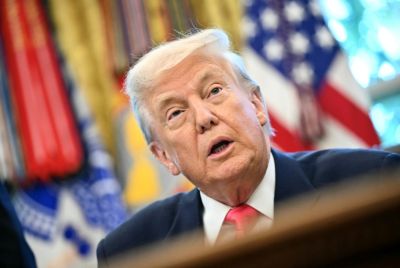
The announcement came hours after a 10-day ceasefire took effect in Lebanon, offering a potential de-escalation in a broader regional conflict that has drawn in the United States and raised fears of wider war. President Donald Trump welcomed the development, posting that Iran had agreed the strait would stay open and describing the situation as progressing toward a longer-term deal.
Yet confusion and caveats quickly surfaced. Trump emphasized that a U.S. naval blockade targeting Iranian vessels and ports would remain in full force until a permanent peace agreement is reached. Iranian officials warned that any continuation of the blockade could jeopardize the fragile truce.
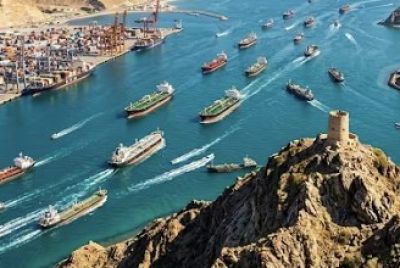
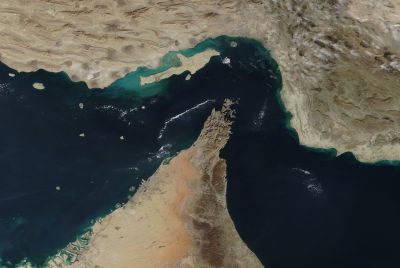
The Strait of Hormuz, a narrow chokepoint between the Persian Gulf and the Gulf of Oman, carries roughly one-fifth of the world's seaborne oil trade and significant volumes of liquefied natural gas. Its closure or disruption in recent weeks had stranded vessels, spiked insurance costs and rattled energy markets worldwide.
Oil prices plunged more than 5% in early trading Friday following the news, with Brent crude falling below key psychological levels as traders bet on resumed flows. Global stock markets rallied, particularly shares in shipping companies, airlines and energy-dependent sectors, reflecting relief over restored navigation in one of the planet's most critical maritime arteries.
Here are five key things to know about the development:
First, the declaration is explicitly tied to the Israel-Lebanon ceasefire rather than a broader Iran-U.S. agreement. Araghchi framed the opening as a goodwill gesture aligned with the truce that began late Thursday. Celebrations erupted in Beirut with gunfire into the air as displaced families considered returning home, though U.N. peacekeepers reported minor alleged violations including Israeli airspace incursions.
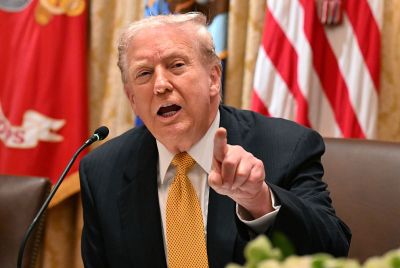
Second, the U.S. position remains firm on enforcement. While commercial traffic from third countries may now proceed via designated routes, American officials clarified that the blockade on Iranian ports and vessels continues. Trump stated Iran had committed to never again using the strait as a weapon, yet Pentagon sources indicated monitoring would be intense and any perceived threats could prompt renewed restrictions.
Third, the timing gives shipping operators a narrow window. With the Lebanon ceasefire set for 10 days, operators have limited time to reposition stranded tankers and move thousands of sailors out of the Persian Gulf before the truce potentially expires. Major carriers like Maersk said decisions on transits would depend on ongoing risk assessments.
Fourth, the move highlights the strait's enduring geopolitical importance. Iran has long threatened to close the waterway in response to sanctions or military pressure, a capability that has shaped decades of U.S. naval strategy in the region. The recent effective closure, triggered by escalating strikes involving the U.S., Israel and Iran, disrupted supply chains far beyond the Middle East and contributed to higher fuel costs globally.
Fifth, broader peace talks appear to be gaining momentum. Trump suggested negotiations with Iran could advance rapidly, possibly over the weekend, as mediators seek a more durable end to hostilities that have killed thousands across Iran, Lebanon, Israel and beyond. European leaders, including those from the U.K. and France, planned meetings on freedom of navigation, signaling international interest in stabilizing the route.
Analysts caution that the announcement offers only temporary relief. The ceasefire in Lebanon remains fragile, with both sides accusing the other of violations in the early hours. In southern Lebanon, residents reported sporadic artillery fire despite the truce terms allowing Israel self-defense actions but barring offensive operations.
For global energy markets, even a short reopening provides breathing room. Energy analysts noted that hundreds of tankers had been idled or rerouted around Africa at enormous extra cost. Resumed traffic could ease immediate pressure on Asian importers, particularly China, India and Japan, which rely heavily on Gulf crude.
Shipping industry sources reported cautious optimism. While the designated Iranian route offers a pathway, concerns persist over potential miscalculations, naval presence and insurance premiums that remain elevated. Some operators planned to wait for clearer signals from insurers and flag states before committing vessels.
The conflict's human toll remains stark. Fighting has claimed more than 3,000 lives in Iran, over 2,100 in Lebanon, dozens in Israel and additional casualties among U.S. service members and Gulf states. The ceasefire and Hormuz opening represent a diplomatic pause, but underlying tensions over Iran's nuclear program, regional proxies and sanctions continue to loom.
Iranian military commanders had previously warned that a prolonged U.S. blockade would be viewed as a ceasefire violation. The Islamic Revolutionary Guard Corps maintains significant capabilities in the strait, including fast-attack boats and missile systems that could rapidly alter the security picture if talks falter.
On the diplomatic front, the Trump administration has framed recent developments as evidence of successful pressure yielding results. Iranian officials portray the opening as a sovereign decision tied to de-escalation in Lebanon, where Hezbollah has been a key Iranian ally.
Economists warned that while Friday's market reaction was positive, volatility could return quickly if the ceasefire breaks or if U.S.-Iran negotiations stall. Long-term resolution would likely require addressing sanctions relief, security guarantees and verification mechanisms for shipping safety.
Environmental and safety concerns also factor in. The strait's confined waters have seen past incidents involving oil spills and collisions. With potentially hundreds of vessels transiting in coming days, maritime authorities called for heightened vigilance.
For ordinary consumers, the news could translate to modest relief at the pump in coming weeks if flows stabilize, though experts stressed that full normalization depends on sustained peace.
As the 10-day clock ticks, all eyes remain on whether this Hormuz opening becomes a stepping stone toward comprehensive talks or merely a brief interlude in a protracted standoff. Diplomats from multiple nations are expected to intensify efforts in the coming days to extend the Lebanon truce and address the wider U.S.-Iran confrontation.
The development underscores the delicate balance of power in the Gulf, where a single waterway can influence global economies, energy security and the prospects for regional stability. For now, the strait flows again — but the underlying currents of tension run deep.
© Copyright 2026 IBTimes AU. All rights reserved.
- Recommended For You