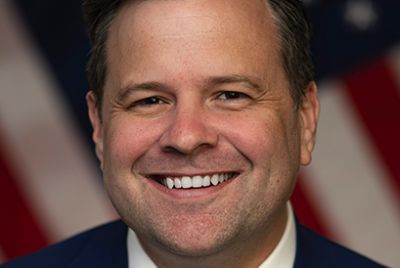
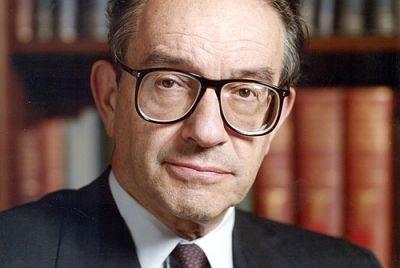
Trump Taps Housing Chief Bill Pulte as Acting Intelligence Director After Gabbard Exit
Bill Pulte, with a background in housing, takes on dual roles amid national security concerns.
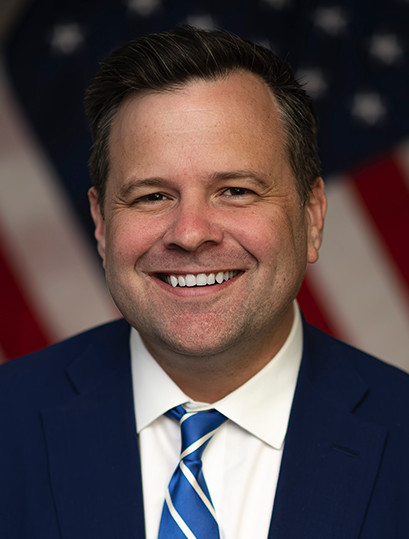
WASHINGTON — President Donald Trump announced Tuesday he is appointing Bill Pulte, the director of the Federal Housing Finance Agency, as acting director of national intelligence to replace Tulsi Gabbard, who is stepping down from the post at the end of the month.
Pulte, a 37-year-old Trump loyalist with a background in housing and private equity but no prior experience in intelligence or national security, will hold both positions simultaneously until a permanent replacement is named. The move places oversight of the nation's 18 intelligence agencies in the hands of an official whose primary responsibilities have centered on mortgage giants Fannie Mae and Freddie Mac.
Trump made the announcement on Truth Social, praising Pulte's financial stewardship. "William has deep experience managing the most sensitive matters in America, the safety and soundness of the Markets, and over 10 Trillion Dollars at Fannie Mae/Freddie Mac, a substantial increase from where it was just 12 months ago," the president wrote.
"During this period, he will remain Director of the Federal Housing Finance Agency, and Chairman of Fannie Mae/Freddie Mac," Trump added.
The appointment comes as Gabbard prepares to leave her role effective June 30. The former Hawaii congresswoman and 2020 Democratic presidential candidate cited her husband's recent diagnosis with a rare form of bone cancer as the reason for her departure.
Gabbard had served in the position for roughly 16 months. Her tenure included efforts to restructure elements of the intelligence community and declassify certain records, though it was marked by reported tensions with the White House on foreign policy matters.
Pulte's Background and Rise
Pulte, grandson of the late William Pulte who founded homebuilder PulteGroup, has deep roots in the housing industry. He founded Pulte Capital Partners in 2011, an investment firm focused on building and housing products. He also has a history of philanthropy, including work on Detroit blight removal.
Trump nominated him to lead the FHFA in early 2025. The Senate confirmed him in March 2025 on a 56-43 vote. As FHFA director, Pulte oversees the regulator for Fannie Mae, Freddie Mac and the Federal Home Loan Banks, entities central to the U.S. housing finance system that back trillions of dollars in mortgages.
During his time at the agency, Pulte has drawn attention for aggressive actions aligned with the administration's priorities, including probes into mortgage-related matters involving political figures. Critics have questioned the scope of the agency's role in such investigations, while supporters view him as a reformer focused on market stability and accountability.
Pulte has also made headlines for pledging to donate his government salary to wounded veterans, emphasizing public service.
Implications for Intelligence Community
The acting director of national intelligence coordinates the sprawling U.S. intelligence apparatus, including the CIA, NSA, FBI intelligence components and others. The role involves delivering daily briefings to the president and shaping intelligence priorities.
Pulte's lack of intelligence background has raised eyebrows among national security veterans. The position does not require Senate confirmation for an acting appointee, allowing Trump to move quickly. A permanent nominee would face confirmation hearings where lawmakers are expected to scrutinize qualifications.
The choice reflects Trump's preference for loyalists in key positions. Pulte has been a vocal supporter of the president and contributed financially to his campaigns. His selection continues a pattern of placing outsiders or allies in roles traditionally held by career national security professionals.
Broader Administration Context
Gabbard's resignation marks the latest departure from Trump's second-term Cabinet. At least four senior officials have left since the administration began. Her exit follows reports of policy differences, particularly on approaches to international conflicts.
The intelligence community is currently navigating multiple global challenges, including ongoing tensions with Iran and other hotspots. Continuity will fall initially to principal deputy Aaron Lukas before Pulte assumes the acting role.
Housing policy observers note that Pulte juggling both roles could strain bandwidth at the FHFA, which has been active in efforts to address housing affordability and mortgage market reforms. The agency manages entities critical to the broader economy, where any disruption could affect interest rates and lending.
Reactions and Outlook
Supporters of the appointment highlight Pulte's management of large-scale financial operations as transferable skills for handling sensitive intelligence matters. They argue that fresh perspectives can challenge entrenched bureaucracies.
Critics, including some Democrats and national security analysts, express concern over the precedent of appointing officials without domain expertise to critical security posts. Questions have arisen about potential conflicts of interest given Pulte's continued FHFA duties.
The White House has not detailed how Pulte will divide his time or whether additional support staff will be assigned. Administration officials describe the arrangement as temporary, with a permanent DNI nomination expected in coming weeks or months.
As Pulte transitions into the role, attention will turn to how he approaches intelligence priorities. The intelligence community has faced scrutiny in recent years over issues ranging from election security to foreign threats and domestic extremism.
This latest personnel shift underscores the fluid nature of Trump's second term, where loyalty and alignment with the president's agenda often take precedence in appointments. With midterm elections approaching and global instability persisting, the acting director's performance will face close examination from Congress and the public.
Pulte's dual responsibilities highlight the administration's approach to governance, blending economic oversight with national security leadership in an unconventional manner. How effectively he manages these demands could influence future appointments and the direction of both housing policy and intelligence operations in the months ahead.
© Copyright 2026 IBTimes AU. All rights reserved.
- Recommended For You