Nokia Shares Rise Sharply 8.45% to 13.54 Euros on Robust 5G Infrastructure and AI Growth Prospects
Nokia's strategic focus on 5G and AI network solutions boosts investor confidence and market performance.
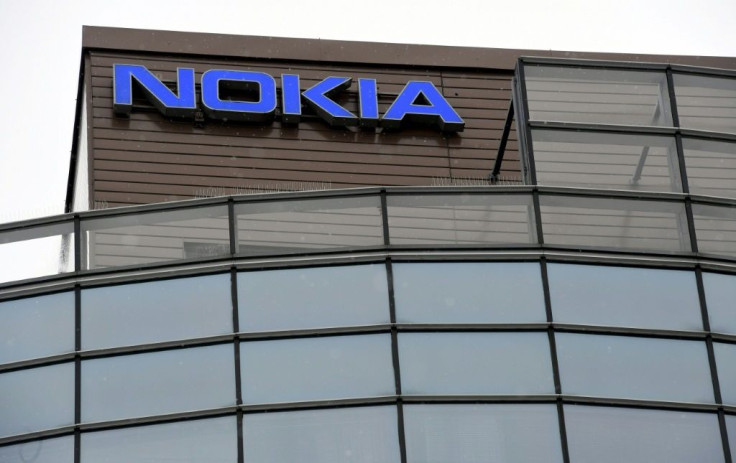
HELSINKI — Nokia Oyj shares climbed 8.45 percent to 13.54 euros in afternoon trading on Monday, June 1, 2026, as investors responded positively to the Finnish telecommunications giant's strengthening position in 5G infrastructure deployments and artificial intelligence-driven network solutions.
The significant gain pushed Nokia's market capitalization higher and reflected growing confidence in the company's ability to capitalize on global demand for advanced connectivity technologies. Trading volume was notably elevated as the stock attracted attention from both institutional investors and retail traders seeking exposure to the evolving telecom and technology infrastructure sectors.
Nokia, a longtime leader in mobile networks and telecommunications equipment, has repositioned itself in recent years to focus on high-growth areas including 5G advanced, private wireless networks and AI-optimized network management. The company's progress in these segments has helped offset challenges in its traditional mobile infrastructure business while opening new revenue opportunities with enterprise and government customers.
Drivers Behind Today's Movement
Analysts attributed the sharp rise to several positive developments. Nokia has secured several major 5G contracts in key markets, including expansions in Europe, North America and Asia-Pacific regions. The company's emphasis on energy-efficient network solutions has resonated with operators seeking to reduce operational costs while meeting sustainability targets.
Artificial intelligence integration in network operations has emerged as a particularly strong growth driver. Nokia's platforms use AI for predictive maintenance, traffic optimization and automated network management, helping carriers improve efficiency and service quality. This capability has positioned Nokia favorably as telecommunications companies accelerate digital transformation initiatives.
Broader industry trends have also supported the positive sentiment. Global 5G adoption continues to expand, with operators investing in network densification and advanced use cases such as industrial automation and smart cities. Nokia's diversified portfolio across mobile networks, fixed networks and enterprise solutions provides multiple avenues for growth in this environment.
Company Background and Strategic Evolution
Nokia has undergone significant transformation since its peak as a mobile phone manufacturer. After divesting its handset business, the company concentrated on infrastructure and technology licensing. Under current leadership, Nokia has focused on research and development in next-generation networks while expanding its enterprise offerings.
The company's private wireless networks business has shown particular strength, serving industries ranging from manufacturing and logistics to mining and healthcare. These dedicated networks provide secure, high-performance connectivity for mission-critical applications where public networks may not suffice.
Nokia maintains a strong commitment to innovation through its Bell Labs research organization. Investments in areas such as 6G research, quantum computing and sustainable technology have helped the company maintain technological leadership despite intense competition from Chinese vendors and other global players.
Financial Performance and Outlook
Nokia has reported steady improvement in recent quarters, with focus on profitable growth and operational efficiency. The company has maintained guidance for gradual margin expansion while investing in strategic growth areas. Management has emphasized disciplined capital allocation and shareholder returns alongside technology development.
Analysts have noted positive trends in Nokia's order book and visibility into future revenue streams. The company's exposure to both traditional telecom operators and enterprise customers provides diversification that helps mitigate cyclical risks in the infrastructure market.
The stock's valuation, while elevated following today's gain, remains reasonable when compared to historical averages and growth projections for the telecommunications equipment sector. Nokia's dividend yield continues to appeal to income-focused investors seeking technology exposure with defensive characteristics.
Analyst Perspectives
Wall Street analysts have generally maintained constructive views on Nokia. Most covering firms rate the stock as Hold or Buy, citing its strong technology foundation and growth potential in 5G and enterprise markets. Average price targets suggest moderate upside from current levels, with some optimistic forecasts projecting higher valuations if 6G development milestones are achieved ahead of schedule.
However, analysts also highlight competitive pressures from Huawei and Ericsson, as well as potential delays in 5G monetization by operators. Nokia's ability to maintain technology leadership while controlling costs will be critical for sustaining current momentum.
Risks and Challenges Ahead
Despite today's strong performance, Nokia faces several ongoing challenges. Geopolitical tensions and trade restrictions continue to impact global supply chains and market access in certain regions. Competition in the telecommunications equipment market remains intense, requiring continuous innovation to maintain market share.
Currency fluctuations, particularly movements in the euro against the US dollar, can influence reported results for a company with significant international operations. Regulatory developments around data privacy, network security and spectrum allocation also present both opportunities and risks.
Broader economic factors, including interest rates and corporate investment cycles, can affect demand for network infrastructure. Nokia's success will depend on its ability to navigate these external pressures while executing on its strategic priorities.
Investment Considerations for 2026
Investors evaluating Nokia shares should consider its exposure to global telecommunications cycles balanced against the company's strong technology portfolio and dividend reliability. The stock may appeal to those seeking technology exposure with defensive characteristics, though volatility remains a factor in the sector.
Risk management is important given competitive pressures and macroeconomic sensitivities. Diversification and careful position sizing are recommended when investing in telecommunications equipment companies. Analysts generally recommend a long-term perspective for Nokia, with attention to technology milestones and regional market developments.
Professional financial advice tailored to individual circumstances is recommended before making investment decisions in the technology sector. Market conditions can shift rapidly based on economic data and industry developments.
Broader Telecommunications Sector Context
The telecommunications equipment sector in 2026 has shown varied performance as operators balance 5G investments with preparations for future 6G technologies. Companies with strong research capabilities and diversified offerings have generally outperformed those focused solely on traditional infrastructure.
Nokia's performance today reflects continued investor interest in firms central to digital transformation and network modernization. As artificial intelligence and edge computing drive new connectivity requirements, established players with proven solutions are well-positioned to benefit.
The strong trading in Nokia shares on June 1 underscores growing optimism about the company's prospects in 5G advanced and enterprise markets. Whether this momentum sustains will depend on continued execution and favorable industry trends in the months ahead.
For now, today's substantial gain highlights investor confidence in Nokia's strategic direction and its potential to deliver value in critical technology areas. As the company advances its offerings and customer relationships, it remains one of the more closely watched names in the global telecommunications equipment space.
© Copyright 2026 IBTimes AU. All rights reserved.
- Recommended For You