Trump Executive Order Directs Banks to Flag Non-Citizen ITIN Use and Shell Companies
Executive order seeks to enhance scrutiny of banking activities involving non-citizens, focusing on payroll tax evasion and shell companies.
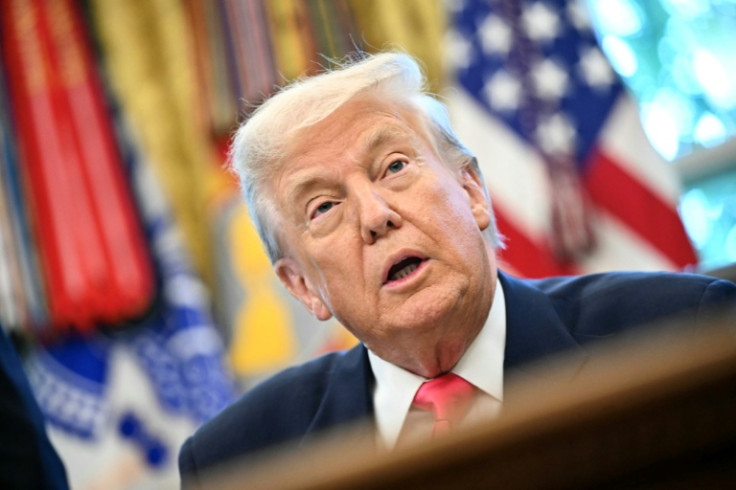
WASHINGTON — President Donald Trump signed an executive order on Tuesday, May 19, 2026, directing greater scrutiny of certain banking activities involving non-citizens as part of efforts to address payroll tax evasion, shell companies and other financial risks.
The order, titled "Restoring Integrity to America's Financial System," stops short of requiring banks to collect citizenship or immigration status data from customers, a more expansive idea that the administration had previously considered.
It instructs the Treasury secretary to issue an advisory to financial institutions identifying red flags for enhanced due diligence. These include patterns of payroll tax evasion by employers or labor brokers, concealment of true account ownership through shell companies or nominee accounts, off-the-books wage payments, labor trafficking indicators and repetitive cash withdrawals.
The advisory specifically highlights the use of Individual Taxpayer Identification Numbers (ITINs) to open accounts or obtain credit when not accompanied by a Social Security number or verified lawful immigration status. ITINs allow tax filing but do not authorize work or legal presence.
The White House also directed Treasury and bank regulators to propose changes to the Bank Secrecy Act to strengthen customer due diligence and make it easier to obtain additional client information. It flagged documents issued by foreign consulates as potentially risky.
The measure comes after earlier reports that the administration was weighing a requirement for banks to collect citizenship information from both new and existing customers. Senior industry executives had warned that such a step would be costly, operationally burdensome and could lead to the debanking of millions of individuals.
Ed Mills, a Washington policy analyst with Raymond James, commented on the final order: "Obviously, the administration wants greater controls on immigration, but the bank regulators have always wanted as many financial transactions to go through the traditional financial systems. This would have removed a lot of individuals from the financial system, which could create a national security risk as well."
An anonymous executive at a large bank described the revised approach as an example of the administration listening to industry concerns.
Trade groups had previously explained that mandatory citizenship checks on all clients would be nearly impossible to implement and could reduce financial access. Banks currently collect some identity documents but are not required to verify immigration status for basic account opening in most cases.
The executive order frames the measures as protecting the financial system against fraud, waste and abuse tied to unauthorized employment and illicit activity. It directs regulators to look for suspicious patterns that could indicate employers failing to withhold or remit federal employment taxes for workers without work authorization.
This is the latest in a series of Trump administration actions affecting the banking sector. Earlier proposals, including interest rate caps and reviews of alleged political debanking, had drawn industry attention.
The order does not mandate that banks close accounts or deny services based solely on citizenship status. Instead, it focuses on flagging specific risk indicators for further review under existing anti-money laundering and know-your-customer rules.
Implementation will fall to the Treasury Department and agencies including the Financial Crimes Enforcement Network. Banks will receive formal guidance on what constitutes a reportable red flag.
The move aligns with broader administration priorities on immigration enforcement and financial integrity. It stops short of retroactive citizenship verification for the estimated tens of millions of existing bank customers.
Community banks and larger institutions had expressed operational concerns about any mass review of customer files. Checking immigration status for every account holder was viewed as logistically challenging and potentially disruptive to routine financial services.
The executive order was issued the same day as other financial system announcements. It builds on previous directives aimed at modernizing payments and protecting against fraud in federal disbursements.
Non-citizens legally present in the U.S., including those with visas or green cards, continue to have access to banking services under standard rules. The advisory targets patterns linked to unlawful employment or concealment rather than lawful immigration status alone.
Industry analysts expect banks to update compliance programs in response to the forthcoming Treasury advisory. Enhanced monitoring of ITIN accounts and shell company activity may require additional resources and training.
The Bank Secrecy Act proposal could expand reporting requirements or lower thresholds for certain customer information requests. Foreign consulate documents, often used by some immigrants, were singled out for additional scrutiny.
This development follows months of internal deliberations. Reports in February and March 2026 indicated the administration was considering stronger measures before adjusting based on feedback from banks and regulators.
The White House described the order as restoring integrity to the financial system while supporting legitimate economic activity. It emphasized preventing the use of U.S. banks to facilitate unauthorized work or tax evasion.
Financial institutions will continue standard Customer Identification Program procedures under the USA PATRIOT Act, which require verifying identity but not necessarily immigration status for most retail accounts.
Advocacy groups and immigrant rights organizations are expected to monitor implementation for potential impacts on legal residents and mixed-status families. No immediate changes to account opening processes were announced.
The Treasury Department is expected to issue the formal advisory in coming weeks or months. Banks will have time to adjust systems before any new reporting expectations take effect.
This executive action reflects ongoing tension between immigration enforcement goals and maintaining broad access to the U.S. financial system. Regulators have historically favored inclusion to reduce risks associated with cash economies.
As details of the advisory emerge, banks, regulators and affected communities will assess practical effects on daily operations and compliance costs. The order provides a framework focused on specific illicit activity indicators rather than blanket citizenship verification.
Further guidance from the Treasury and federal banking agencies will clarify expectations for financial institutions nationwide. The executive order takes effect immediately upon signing.
© Copyright 2026 IBTimes AU. All rights reserved.
- Recommended For You