World Oil Prices Surge Above $110 as Hormuz Tensions Drive Supply Fears
Rising oil prices impact global markets as tensions in the Strait of Hormuz escalate.

NEW YORK — Global oil prices climbed sharply on Monday, with Brent crude rising above $110 per barrel as escalating tensions in the Strait of Hormuz and uncertainty over Iranian supply continued to unsettle energy markets, pushing traders to price in potential disruptions to one of the world's most critical shipping lanes.
Brent crude, the international benchmark, settled at $110.54 per barrel, up 1.18 percent on the day, while West Texas Intermediate (WTI) crude rose to $101.02 per barrel. The gains extended a multi-week rally fueled by geopolitical risks, with prices now up more than 68 percent compared to the same time last year.
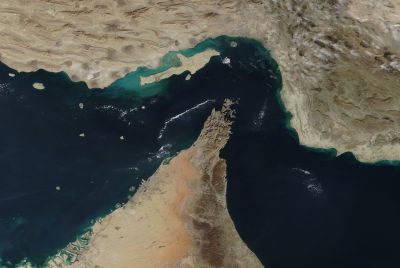
The latest surge comes as Iran has threatened to impose tolls on vessels passing through the Strait of Hormuz, a narrow chokepoint that carries roughly 20 percent of the world's traded oil. Any significant disruption there could send prices even higher, analysts warn, potentially pushing Brent toward $120 or more in a worst-case scenario.
"Geopolitical risk is firmly back in the driver's seat," said Helima Croft, head of global commodity strategy at RBC Capital Markets. "The combination of restricted flows through Hormuz, falling inventories and heightened U.S.-Iran tensions is creating a classic supply shock environment."
Drivers Behind the Price Spike
Several factors are converging to support higher oil prices. The fragile ceasefire in the region has shown signs of strain, with indirect talks hosted by Pakistan stalling. Former President Donald Trump, a major influence in U.S. politics, has issued stern warnings to Iran, telling Tehran it would face a "very bad time" if it disrupts the strait.
Energy markets are also reacting to tightening physical supplies. The International Energy Agency (IEA) reported one of the fastest inventory drawdowns on record outside of pandemic conditions, with global stocks falling by an estimated 246 million barrels across March and April. Saudi Arabia has also cut output to its lowest level since 1990, further tightening the market.
OPEC+ production discipline, combined with strong demand from Asia and recovering economic activity in major consuming nations, has left the market with little spare capacity. This structural tightness means even modest supply disruptions can cause outsized price reactions.
U.S. gasoline prices have also climbed, approaching $4.55 per gallon in some regions, adding to consumer concerns about inflation and household budgets heading into the summer driving season.
Impact on Global Economy
Higher oil prices are rippling through the global economy. Emerging markets heavily dependent on imported energy are feeling the pinch, with some countries facing higher import bills and currency pressures. In developed economies, rising fuel costs are contributing to sticky inflation readings that are complicating central bank decisions on interest rates.
Airlines, shipping companies and manufacturers are all seeing increased input costs. Some businesses have begun passing on higher energy expenses to consumers, while others are absorbing the costs in hopes of a price reversal.
However, not all effects are negative. Oil-producing nations, particularly in the Gulf, are benefiting from higher revenues that could support fiscal spending and economic diversification efforts. U.S. shale producers are also seeing improved profitability, though many remain cautious about rapidly increasing output given volatility in prices.
Geopolitical Flashpoint
The Strait of Hormuz remains the central focus of market anxiety. Iran has long threatened to disrupt shipping through the strait in response to perceived provocations. While an outright closure is considered unlikely due to the catastrophic consequences for Iran itself, even the threat of tolls or selective interference is enough to keep risk premiums elevated.
U.S. naval forces in the region have increased patrols, and diplomatic efforts continue behind the scenes. Any escalation involving direct confrontation could push prices significantly higher, with some analysts warning of a potential spike toward $150–$200 per barrel in extreme scenarios.
Market Technicals and Outlook
From a technical perspective, Brent crude has broken above key resistance levels and is now trading in a strong uptrend. Momentum indicators suggest the rally could continue if geopolitical risks remain elevated. However, some analysts warn of potential profit-taking if tensions ease or if OPEC+ signals increased production.
Looking further ahead, the IEA and OPEC both forecast robust oil demand growth through the rest of the decade, driven by Asia's economic expansion and the slow pace of the energy transition in certain sectors. This long-term demand outlook supports a generally bullish view among many commodity strategists.
For consumers and businesses, the advice remains caution. Hedging strategies, fuel efficiency measures and diversified energy sources can help mitigate the impact of volatile prices. Governments may also consider strategic reserve releases or targeted subsidies if prices continue climbing.
Investment Implications
For investors, the current oil price environment creates both opportunities and risks. Energy sector stocks have performed well amid the rally, but they remain sensitive to geopolitical headlines. Diversified exposure through ETFs or broader commodity funds may offer a more balanced approach for those seeking inflation protection without excessive volatility.
Longer-term, the transition toward renewable energy and electric vehicles continues, though oil is expected to remain a critical part of the global energy mix for decades. Companies with strong balance sheets, low production costs and exposure to both conventional and emerging energy technologies are best positioned to navigate the evolving landscape.
As markets digest the latest price movements, attention turns to upcoming economic data from China and the United States, as well as any new developments in the Middle East. For now, oil remains firmly in a geopolitically driven bull market, with traders bracing for continued volatility in the weeks ahead.
The world oil price today reflects the fragile balance between supply security and geopolitical risk. As long as tensions persist around the Strait of Hormuz and global inventories remain tight, prices are likely to stay elevated — a situation that carries significant implications for economies, consumers and investors worldwide.
© Copyright 2026 IBTimes AU. All rights reserved.
- Recommended For You