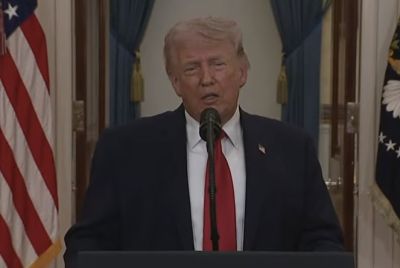
World Oil Prices Hold Above $105 as Iran Tensions and Trump-Xi Summit Drive Volatility
Strait of Hormuz disruptions and high-stakes diplomacy impact global oil markets

NEW YORK — World oil prices remained elevated above $105 per barrel on Thursday, May 14, 2026, as ongoing geopolitical risks in the Middle East, particularly around the Strait of Hormuz, continued to support the market even as investors awaited outcomes from the high-stakes summit between President Donald Trump and Chinese President Xi Jinping in Beijing.
Brent crude, the global benchmark, traded near $105.50 per barrel in early European trading, while West Texas Intermediate (WTI), the U.S. benchmark, hovered around $101 per barrel. Both contracts have stayed in elevated territory throughout 2026, reflecting persistent supply concerns and strong global demand despite economic uncertainties in some regions.
The primary driver remains the effective closure of the Strait of Hormuz, a critical chokepoint through which nearly 20% of global oil supply flows. Since military actions began in late February, shipping traffic has been severely restricted, leading to significant supply disruptions and a sharp drawdown in global inventories. Analysts at S&P Global estimate that inventories have fallen by an average of 8.5 million barrels per day in the second quarter, pushing prices higher and creating a risk premium in the market.
The Trump-Xi summit has added another layer of uncertainty and potential relief. Trump is pressing China, Iran's largest oil customer, to use its influence to help stabilize energy flows. Any positive developments from Beijing could ease pressure on prices, but analysts caution that a quick resolution to the Hormuz situation remains unlikely. "The market is pricing in prolonged disruption," said one senior energy trader. "Even optimistic scenarios suggest it will take time for flows to normalize."
U.S. production has provided some buffer. Domestic output remains near record levels, helping to offset some global tightness. However, OPEC+ members have maintained disciplined production cuts, limiting additional supply to the market. Saudi Arabia and other Gulf producers continue to prioritize price stability over volume in the current environment.
Demand remains robust despite higher prices. Strong economic activity in Asia, particularly in India and parts of Southeast Asia, has supported consumption. China's stimulus measures have helped stabilize industrial activity, though the country's overall economic recovery remains uneven. Global oil demand is projected to average around 103 million barrels per day in 2026, according to the International Energy Agency, with transportation fuels and petrochemicals driving growth.
For American consumers, the impact is noticeable at the pump. National average gasoline prices have climbed above $4.00 per gallon in many regions, adding pressure on household budgets ahead of the summer driving season. Refiners have warned that prolonged high crude costs could lead to further increases if inventory levels tighten further.
Energy companies have benefited from the elevated price environment. Major producers have reported strong earnings, with many using the windfall to pay down debt, increase dividends and invest in low-carbon technologies. Oilfield service companies have also seen renewed demand, though the focus remains on efficiency and capital discipline rather than aggressive expansion.
The Trump administration has used the situation to push for increased domestic production and streamlined permitting for energy projects. Officials argue that boosting U.S. output can help stabilize global markets and reduce reliance on foreign supplies. However, environmental groups and some Democrats in Congress have criticized the approach, calling for faster transition to renewable energy sources.
Longer-term forecasts suggest prices could remain elevated through the remainder of 2026. Standard Chartered and other banks project Brent averaging between $100 and $110 per barrel for the year, assuming the Hormuz situation persists into the third quarter. A full resolution could bring prices back toward $80-$90, but most analysts see limited downside risk in the near term.
Investors have responded with caution. Energy stocks have outperformed broader markets in 2026 but remain sensitive to any diplomatic breakthroughs or sudden supply increases. Volatility in oil futures has increased, with traders positioning for potential swings around the Trump-Xi meetings and other geopolitical developments.
The situation also highlights the interconnected nature of global energy markets. Europe, still recovering from earlier energy shocks, has increased imports of U.S. liquefied natural gas and other alternatives. Asia's reliance on Middle Eastern crude makes it particularly vulnerable to disruptions in the region.
As the Trump-Xi summit continues, any signals regarding Iran or energy cooperation could move markets significantly. For now, the combination of tight supply, strong demand and geopolitical risk keeps oil prices firmly in elevated territory, affecting everything from gasoline prices to inflation expectations worldwide.
The coming days and weeks will be critical in determining whether current levels prove sustainable or if new developments bring relief to consumers and businesses. Until then, the world remains on edge, watching both the oil markets and the diplomatic efforts in Beijing for clues about the path ahead.
© Copyright 2026 IBTimes AU. All rights reserved.
- Recommended For You