The S&P 500 Falls 1.33% as Geopolitical Tensions Drive Oil Surge and Market Volatility
The S&P 500 closed sharply lower on March 6, 2026, dropping 90.69 points, or 1.33%, to end at 6,740.02 amid renewed geopolitical risks that sent oil prices surging and rattled investor confidence across Wall Street.
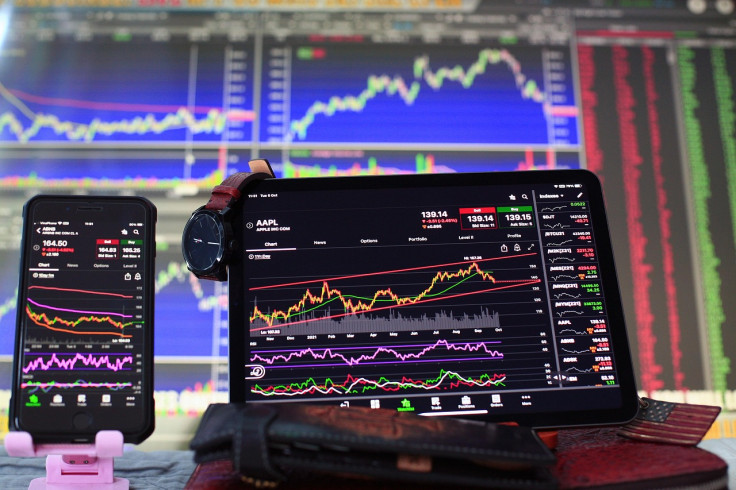
The broad-market benchmark opened at 6,769.03 but quickly faced selling pressure, trading in a day's range of 6,711.56 to 6,773.42. Volume reached approximately 3.41 billion shares, reflecting heightened activity as traders reacted to developments in the Middle East. The index's previous close stood at 6,830.71, marking a reversal from modest gains earlier in the week.
The decline aligned with broader market weakness. The Dow Jones Industrial Average fell 453.19 points to 47,501.55, while the Nasdaq Composite shed 361.31 points to close at 22,387.68. All major indexes posted losses, with the S&P 500's retreat erasing part of its year-to-date progress and highlighting ongoing sensitivity to energy market shocks.
Investors pointed to escalating U.S.-Iran tensions as a primary catalyst. Reports of renewed conflict, including claims of attacks in the Strait of Hormuz, pushed crude oil prices above $80 per barrel in recent sessions, with some analysts warning of further spikes if disruptions persist. Higher energy costs threaten to squeeze consumer spending and corporate margins, particularly for industries reliant on transportation and manufacturing.
"Oil is dictating the narrative right now," said one market strategist, echoing sentiments from firms like Citi, where analysts noted equity markets taking cues from energy price movements. The volatility index, or VIX, climbed notably, signaling increased fear among traders.
Despite the day's pullback, the S&P 500 remains up about 16.81% over the past year, buoyed by strong corporate earnings in technology and artificial intelligence sectors. The index hit a 52-week high of 7,002.28 on Jan. 28, 2026, before recent consolidation. Its 52-week low sits at 4,835.04, underscoring the resilience shown through 2025's recovery.
Recent index rebalancing added fresh momentum to certain names. Vertiv Holdings, Lumentum Holdings, Coherent, and EchoStar are set to join the S&P 500, reflecting continued emphasis on data centers, optics, and communications infrastructure amid the AI boom. Such inclusions often drive short-term buying interest, though broader sentiment was overshadowed by macro concerns on March 6.
Economic data provided mixed signals. While inflation pressures from energy could complicate the Federal Reserve's path, some observers viewed the dip as a potential buying opportunity. Commentators like Jim Cramer highlighted select stocks poised for recovery, advising caution on concentration risks beyond the S&P 500's mega-cap leaders.
The pullback extends a short-term softening trend. Over the past five days, the index declined about 2.02%, with a one-month return of -2.77% and three-month performance at -1.90%. Year-to-date, it stands down 1.54%, a correction from earlier highs but still within historical norms for mid-cycle adjustments.
Looking ahead, markets face key tests. Upcoming economic releases, including inflation indicators and employment data, could influence Fed rate expectations. Geopolitical headlines remain fluid, with analysts monitoring potential supply chain impacts from Middle East instability.
Traders also weighed corporate developments. Boeing neared a significant deal, while AI-related plays showed pockets of strength despite the broader sell-off. Options activity suggested hedging strategies gaining traction as uncertainty lingers.
The S&P 500's composition—spanning 500 leading U.S. companies and covering roughly 80% of domestic market capitalization—continues to serve as a barometer for economic health. Its market-cap weighting favors tech giants, which have driven outsized gains in recent years but now face scrutiny amid shifting macro winds.
As the trading week concluded, Wall Street braced for continued volatility. Oil's trajectory, diplomatic efforts in the region, and any Fed commentary will likely set the tone. For now, the benchmark's retreat serves as a reminder of how quickly external shocks can override fundamentals.
In Seoul, where Asian markets often follow U.S. cues, investors watched closely for spillover effects into global equities. The session's close left the S&P 500 below key psychological levels, prompting debates over whether this marks a healthy correction or the start of deeper caution.
Wall Street's mood reflected a blend of resilience and wariness. While long-term bulls point to solid earnings growth and innovation tailwinds, near-term risks from energy prices and geopolitics dominated the conversation on March 6.
© Copyright 2026 IBTimes AU. All rights reserved.
- MOST POPULAR IN News