

Dow Jones Falls 337 Points as Geopolitical Tensions and Surging Oil Prices Fuel Market Volatility
The Dow Jones Industrial Average dropped 337.36 points Friday, closing at 45,622.75 amid persistent worries over the U.S.-Iran conflict and a sharp rise in oil prices that heightened inflation concerns and clouded the outlook for Federal Reserve interest rate cuts.
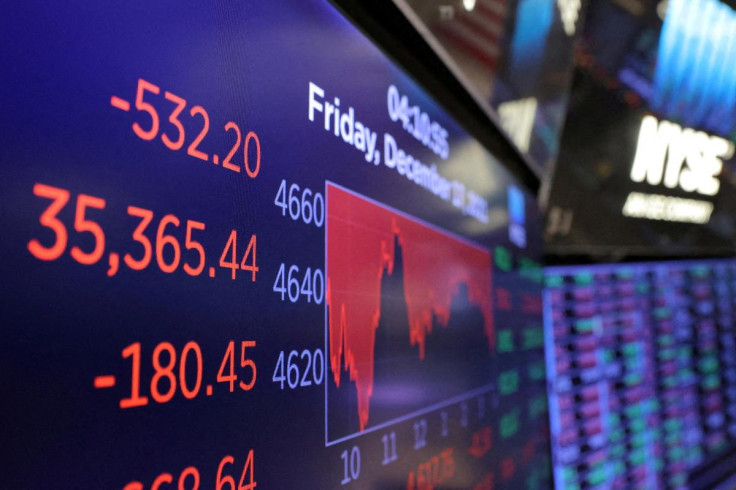
The 0.73% decline extended recent losses for the blue-chip index, which has seesawed this week on mixed signals from the Middle East. Thursday's steeper 469-point drop gave way to another session of selling pressure as hopes for a quick diplomatic resolution faded and energy costs climbed.
Broader markets also retreated. The S&P 500 fell roughly 1% in early trading before stabilizing somewhat, while the Nasdaq Composite faced heavier losses amid pressure on growth-oriented technology shares. The volatility index, known as Wall Street's "fear gauge," remained elevated as traders navigated headline risks.
Oil prices continued their recent surge, with West Texas Intermediate crude futures rising several dollars per barrel toward the $96-$98 range in recent sessions. Brent crude, the global benchmark, hovered near or above $100 in spots, driven by fears that prolonged tensions could disrupt supplies through the Strait of Hormuz, a critical chokepoint for global energy flows.
Analysts said the energy spike acts like a tax on consumers and businesses, potentially slowing economic growth while pushing inflation higher — a double blow that complicates monetary policy.
"Markets are reacting to the uncertainty of how long this geopolitical episode will last," said one strategist. "A short conflict might be absorbed, but sustained high oil prices could force the Fed to stay cautious on rate cuts."
Conflict Concerns Weigh on Sentiment
The U.S.-Iran standoff, which intensified in late February, has dominated market narratives. President Donald Trump has pressed for serious negotiations while extending deadlines, but Iranian responses have left diplomats and investors uncertain about de-escalation timelines.
Earlier in the week, fleeting optimism around possible ceasefires sparked brief rallies, only for doubts to trigger reversals. Friday's session reflected that fragility, with energy-sensitive sectors showing relative strength while high-valuation tech names lagged.
Energy giants within the Dow 30 provided some cushion. Chevron Corp. and Exxon Mobil shares gained ground as higher crude prices boosted profit outlooks for producers. In contrast, consumer discretionary and technology components faced selling, with names like Amazon.com Inc. and Visa Inc. among the notable decliners.
Among the 30 Dow components, gainers were limited but included defensive or value-oriented names such as Verizon Communications Inc. and Walmart Inc. in some sessions. Losers spanned tech-exposed firms and financials sensitive to higher borrowing costs.
Trading volume stayed robust, signaling continued investor caution. Treasury yields edged higher, with the 10-year note approaching 4.4%, as markets priced in stickier inflation and fewer aggressive rate reductions this year.
Broader Economic Backdrop
The latest Dow Jones decline comes against a backdrop of resilient corporate earnings but mounting external risks. While many companies have posted solid results driven by artificial intelligence investments and consumer spending, geopolitical shocks have overshadowed fundamentals.
Economists warn that an "oil shock" of this magnitude could trim U.S. growth forecasts modestly in the near term. In a base case of temporary disruption, inflation pressures might peak quickly, allowing the Fed to deliver measured easing later in 2026. A more prolonged scenario, however, raises risks of slower expansion and delayed policy support.
Smaller companies tracked by the Russell 2000 have shown mixed resilience, sometimes outperforming on domestic focus, but they too felt Friday's broader pressure.
Year to date, the Dow Jones remains below its early 2026 peak above 50,000 but well above its 2025 low near 36,600. The index is now roughly 9-10% off record highs, reflecting cumulative hits from trade policies, fiscal debates and now Middle East tensions.
The S&P 500 has logged one of its longer weekly losing streaks in recent years, underscoring sustained headwinds.
Sector Rotation and Investor Strategies
The market's choppiness has prompted sector rotation. Energy stocks have periodically outperformed, benefiting from elevated commodity prices. Defensive areas such as consumer staples and health care have attracted flows seeking stability.
Technology, which powered much of the prior bull run, has been vulnerable due to high valuations and sensitivity to any growth slowdown or rise in discount rates.
"For long-term investors, this volatility highlights the value of diversification," said portfolio managers. "Holdings in energy or quality large-caps with strong balance sheets may help buffer against energy-driven inflation, while avoiding overexposure to speculative growth plays."
Technical analysts are watching key support levels on the Dow around 45,000-45,500. A break below could signal deeper correction territory, though many maintain the longer-term uptrend remains intact barring major escalation.
Gold and other safe-haven assets have climbed in recent sessions, while the U.S. dollar has held steady against major currencies.
Global Markets Reflect Caution
Overseas bourses mirrored U.S. unease. European indices closed lower, and Asian markets showed mixed results as traders weighed the same energy and conflict risks.
Shipping and insurance costs in global trade routes have risen, adding to supply chain concerns if tensions persist in the Gulf region.
International economists project global growth near 2.8% for 2026, with the U.S. potentially holding up better than some peers, but near-term energy shocks could force revisions.
Outlook and What to Watch
As trading continues into next week, investors will scrutinize any fresh developments from Washington and Tehran. Oil futures movements will serve as a real-time barometer of supply disruption fears.
Upcoming U.S. economic data — including inflation readings, employment figures and consumer spending — will gain added importance. Stronger-than-expected inflation could further dampen rate-cut expectations.
Corporate earnings season winds down, but forward guidance from major firms will be parsed for mentions of energy costs or geopolitical impacts.
Analysts remain divided on the near-term path. Some view the pullback as a healthy correction within a bull market supported by innovation and solid fundamentals. Others caution of additional downside if oil stays elevated or conflict widens.
Citi and other firms have recently trimmed U.S. equity exposure, citing risks of no swift resolution.
For individual investors, the message is one of patience and risk management. Dollar-cost averaging into diversified portfolios, maintaining cash buffers for opportunities and avoiding emotional reactions to daily headlines can help navigate such periods.
The Dow Jones Industrial Average, despite its price-weighted limitations and focus on just 30 companies, continues to serve as a widely watched symbol of American economic health. Its recent performance captures the tug-of-war between underlying resilience and external shocks.
Traders and long-term holders alike will monitor not only the headline index level but also shifts in sector leadership, bond yields and commodity trends that could shape market direction through the remainder of 2026.
© Copyright 2026 IBTimes AU. All rights reserved.