

Dow Jones Rises Modestly as Markets Stabilize Amid Ongoing Middle East Tensions
The Dow Jones Industrial Average climbed more than 290 points Wednesday, March 25, 2026, snapping a string of choppy sessions as investors weighed persistent geopolitical risks from the U.S.-Israel-Iran conflict against signs of tentative stabilization in oil markets and a modest rebound in equities.
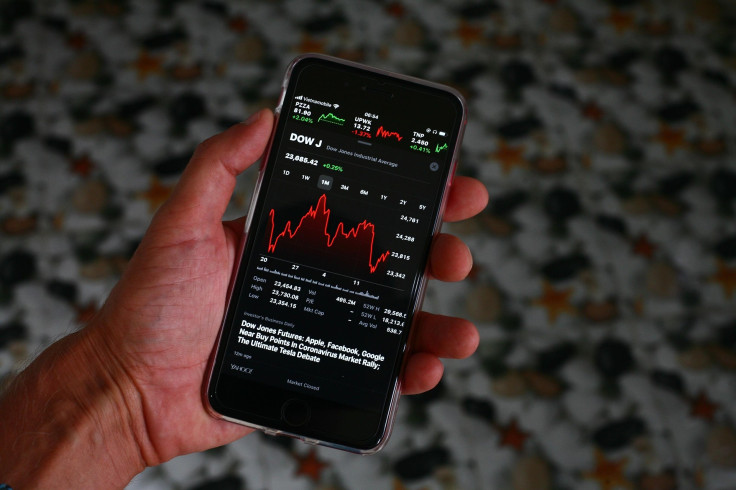
The blue-chip index closed at 46,419.29, up 295.23 points, or 0.64 percent, according to market data. It had opened higher and traded in a range between 46,314.24 and 46,711.45 during the session, with volume reaching about 150 million shares.
Wednesday's gain followed a mixed Tuesday, when the Dow slipped 84.41 points, or 0.18 percent, to close at 46,124.06. Broader indexes showed similar patterns: the S&P 500 rose nearly 1 percent to around 6,621, while the Nasdaq Composite also posted gains of about 1 percent.
Analysts attributed the modest recovery to a slight easing in oil prices after recent spikes tied to the ongoing war in the Middle East. Crude oil futures trimmed some of their earlier surge, though they remained elevated near $90 per barrel in recent trading. Reports that Washington was drafting a plan to halt fighting helped support a softer inflation outlook, even as Iran issued hawkish responses.
"Markets are breathing a bit after the volatility of the past week," said one Wall Street strategist who spoke on condition of anonymity because they were not authorized to comment publicly. "Oil is still a wild card, but any de-escalation signals are being welcomed."
The Dow has been under pressure throughout March 2026, buffeted by inflation concerns and the geopolitical fallout. Earlier in the month, the index tumbled more than 750 points on March 18 amid hotter-than-expected producer price data and Federal Reserve comments that stoked fears of delayed rate cuts. That session pushed the Dow to a new 2026 low at 46,225.15 before a partial recovery.
On March 20, the blue chips fell another 1 percent as oil prices climbed and hopes for near-term Fed easing faded. Year-to-date, the Dow is down roughly 3.7 percent to 5.5 percent depending on the exact closing reference, marking one of its weaker starts to a year in recent memory.
Investors have grown increasingly worried about stagflation risks — a toxic mix of slowing growth and rising prices — reminiscent of the 1970s. The producer price index for February surged 0.7 percent, far exceeding forecasts, while the Iran conflict has disrupted energy supplies and driven up costs across global markets.
The Federal Reserve held rates steady in its mid-March meeting and signaled caution on cuts, citing persistent inflationary pressures exacerbated by higher energy costs. Fed Chair Jerome Powell noted that while the economy remains resilient, upside risks to inflation could keep policy restrictive longer than anticipated.
Within the Dow's 30 components, gains were broad but led by sectors less exposed to immediate tech volatility. Amazon rose more than 2.5 percent, Amgen advanced nearly 1.8 percent and Boeing gained about 1.8 percent in Wednesday trading. Laggards included Walt Disney, down 0.7 percent, Verizon and Home Depot, each off around 0.6 percent.
Energy-related names showed resilience as oil stabilized. Chevron posted gains earlier in the week, hitting 52-week highs in some sessions amid elevated crude prices. Financial stocks like Goldman Sachs and JPMorgan Chase also found support, reflecting hopes that higher interest rates could bolster bank margins if inflation moderates without tipping the economy into recession.
Technology shares, which have driven much of the market's gains in recent years, remained volatile. Nvidia and Microsoft saw swings, with the Nasdaq's performance closely tied to AI enthusiasm clashing against broader macro headwinds.
Looking ahead, traders are eyeing fresh economic data, including potential updates on consumer prices and employment, as well as any diplomatic developments in the Middle East. A ceasefire or de-escalation could provide significant relief to markets, while further escalation risks pushing oil toward $100 or higher and reigniting inflation fears.
Treasury yields rebounded modestly Wednesday as risk appetite improved slightly. The dollar held firm against major currencies.
Wall Street's recent roller-coaster has highlighted the market's sensitivity to energy costs and central bank policy. The Dow closed below its 200-day moving average multiple times in March, a technical level watched closely by investors for signs of longer-term weakness.
Some analysts remain cautiously optimistic. "The economy is still growing, unemployment is low, and corporate earnings have largely held up," said another market observer. "But the wildcard is geopolitics. If oil prices peak and start to retreat, we could see a meaningful relief rally."
Others warn that persistent inflation could force the Fed to keep rates higher for longer, pressuring stock valuations, especially in interest-rate-sensitive sectors like real estate and utilities.
Retail investors have shown mixed sentiment. Some have rotated into defensive plays such as consumer staples and health care, while others have doubled down on tech names betting on artificial intelligence's long-term potential despite near-term turbulence.
Globally, European and Asian markets showed mixed performance overnight, with energy stocks generally outperforming amid the oil backdrop. China's markets faced their own pressures from domestic economic data.
In corporate news, several Dow components reported or previewed earnings that could influence Thursday's trading. Boeing has navigated supply chain issues amid higher fuel costs, while Amgen and other health care giants have benefited from steady demand.
The broader market context includes lingering effects from earlier 2026 highs. The Dow touched above 50,000 intraday in January before pulling back sharply on tariff concerns, inflation data and now the Middle East conflict. Its 52-week range spans from roughly 36,612 to 50,513.
Volume on Wednesday was lighter than some of the volatile sessions earlier in the month, suggesting some investors were waiting on the sidelines for clearer signals.
As trading wrapped up, Dow futures pointed to a potentially flat or slightly higher open Thursday, pending overnight news flow.
The modest rebound Wednesday offers a pause in what has been a bruising month for stocks. Whether it marks the start of sustained recovery or merely a dead-cat bounce will depend heavily on developments in energy markets and diplomacy in the coming days.
© Copyright 2026 IBTimes AU. All rights reserved.