10 Key Things to Know About Trump-Xi Summit in Beijing as High-Stakes Talks Begin
A high-stakes summit in Beijing as Trump and Xi address trade, tech, and geopolitical challenges.

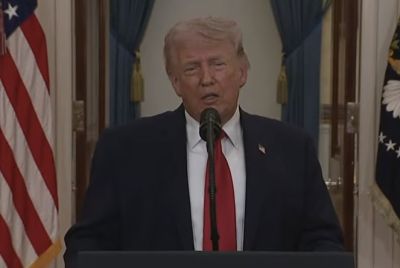
BEIJING — President Donald Trump arrived in the Chinese capital Wednesday for a two-day summit with President Xi Jinping, the first U.S. presidential visit to China since 2017, as the world's two largest economies navigate trade tensions, the Iran conflict and technology competition in a dramatically changed global landscape.
Here are 10 essential things to understand about the high-stakes meeting:
1. Modest expectations replace grand ambitions. Unlike Trump's 2017 trip billed as a celebratory "state visit-plus" with lavish pageantry and headline-grabbing deal announcements, this summit is more restrained. Officials on both sides describe it as a "risk-management" exercise focused on stabilizing relations rather than resetting them. No major structural breakthroughs are anticipated on core disputes.
2. Trade tops the agenda with limited deliverables. Trump is seeking Chinese purchases of U.S. agricultural products, Boeing aircraft and energy exports to show tangible wins for American workers. Beijing is expected to announce some buys and possibly new trade and investment forums, but analysts doubt anything approaching the scale of past promises that often went unfulfilled. Tariffs remain a sticking point after recent escalations and partial rollbacks.
3. Iran and the Strait of Hormuz loom large. With the U.S.-Israel conflict against Iran disrupting global oil flows, Trump is pressing China — Iran's top oil buyer — to help reopen the Strait of Hormuz and support diplomatic efforts. Beijing has resisted deeper involvement but may offer symbolic gestures to maintain stability and protect its energy imports.
4. Taiwan remains highly sensitive. Discussions on arms sales and Beijing's claims over the self-governing island are expected. China wants U.S. restraint on military support for Taiwan, while Trump's team views it as leverage. Any movement here could have outsized implications for regional security.
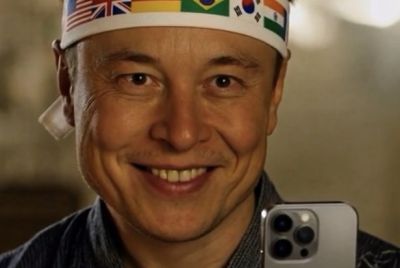
5. Tech and AI feature prominently. The summit includes rare earths and critical minerals access, export controls and artificial intelligence cooperation or guardrails. Trump brought a delegation of U.S. tech executives, including Elon Musk and Tim Cook, signaling interest in business deals alongside government talks.
6. China holds a stronger hand than in 2017. Beijing's economy is less dependent on the U.S. market, with diversified trade partners and advances in self-reliance. Xi enters talks with greater confidence despite domestic challenges, while Trump faces domestic pressure from inflation and the Iran conflict.
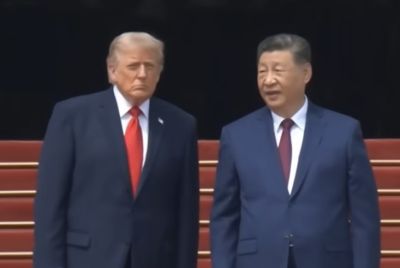
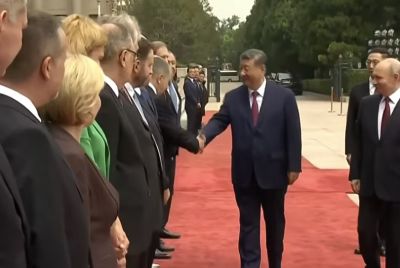
7. Security is unprecedented. Beijing has locked down parts of the capital, closed tourist sites and tightened airspace. The welcome includes formal ceremonies but scaled-back pomp compared to nine years ago, reflecting cooler bilateral ties.
8. Business leaders join the trip. The presence of high-profile CEOs underscores the economic focus. Announcements involving Tesla, Apple, Boeing and others could emerge, blending government diplomacy with commercial opportunities.
9. Domestic politics shape both sides. Trump needs visible wins ahead of midterm elections. Xi seeks stability to focus on China's economic recovery. The summit offers optics of engagement even if substance is limited.
10. Long-term impact may be incremental. Analysts describe the gathering as a checkpoint rather than a turning point. Progress on fentanyl precursors, detainee releases or rare earths extensions is possible, but deep structural issues like industrial subsidies and technology competition will persist beyond these two days.
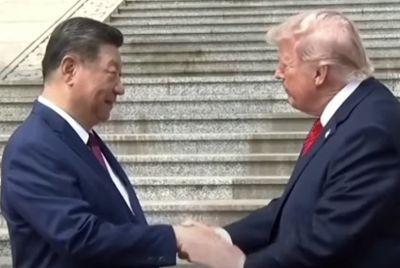
Trump touched down Wednesday evening local time and was greeted with a formal welcome ceremony. Formal meetings with Xi are scheduled for Thursday and Friday at the Great Hall of the People. The visit was delayed from earlier in the year due to the Iran conflict.
The summit occurs against a backdrop of cautious optimism mixed with deep mutual suspicion. Both leaders have met multiple times since Trump's return to office, including in Busan last year, establishing a working rapport built on transactional deal-making. Yet underlying strategic competition defines the relationship.
U.S. officials emphasize reciprocity and fairness. Chinese counterparts stress mutual respect and non-interference. Public readouts will likely differ, with each side highlighting its priorities. Markets are watching closely for any signals on tariffs, supply chains or investment flows.
Security around the event is tight, reflecting the stakes. Beijing has imposed restrictions on movement and heightened digital monitoring. For Trump, the trip offers a chance to project strength on the global stage while addressing domestic economic concerns. For Xi, hosting the first U.S. presidential visit in nearly a decade projects China's centrality in world affairs.
The two-day schedule includes bilateral meetings, possible cultural elements and business engagements. Outcomes could include memorandums on specific sectors, extensions of existing critical minerals agreements and commitments to future dialogue. However, few expect resolution of fundamental differences over technology competition, human rights or geopolitical flashpoints.
Global reactions have been mixed. Allies monitor for impacts on supply chains and security commitments. Emerging markets hope for reduced tensions that could stabilize commodity prices. The summit's success will be measured in incremental steps rather than sweeping agreements.
As talks unfold, all eyes remain on whether the leaders can manage competition without confrontation. The Trump-Xi relationship has defined much of global politics in recent years. This Beijing meeting, though scaled back, continues that legacy at a pivotal moment for the international order.
© Copyright 2026 IBTimes AU. All rights reserved.
- Recommended For You