Trump Declares No Time Frame for Ending Iran Conflict as Strait of Hormuz Tensions Escalate
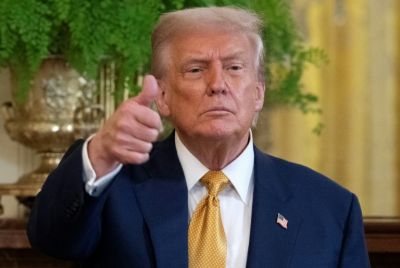
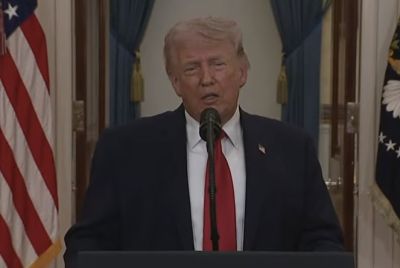
WASHINGTON — President Donald Trump declared Wednesday there is "no time frame" for ending the U.S. conflict with Iran, signaling an open-ended military and diplomatic posture even as a fragile ceasefire extension hangs in the balance and fresh clashes disrupt shipping in the Strait of Hormuz.
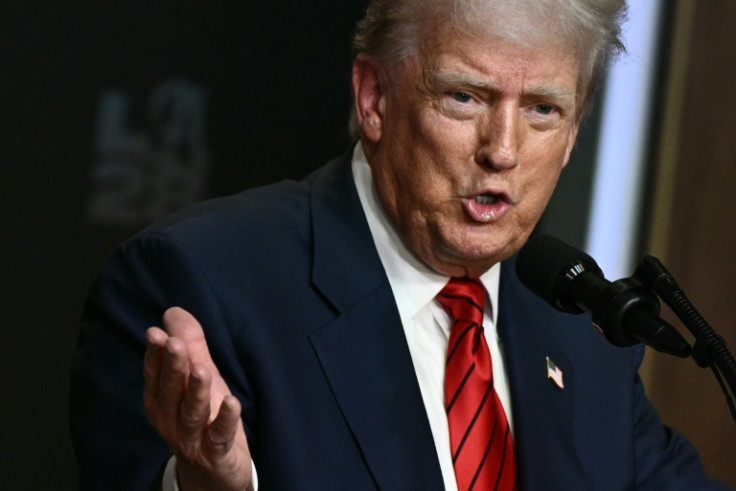
In a Fox News interview, Trump rejected suggestions that political considerations or looming midterm elections were influencing his approach, insisting the campaign would last "as long as necessary" to achieve core objectives such as dismantling Iran's missile program, neutralizing its naval capabilities and preventing nuclear weapon development. The White House later confirmed no firm deadline had been set for Iran to submit a formal peace proposal.
The statement came one day after Trump extended a two-week ceasefire that was set to expire, pushing back any immediate resumption of major strikes while maintaining a U.S. naval blockade of Iranian ports. Defense Secretary Pete Hegseth had earlier echoed the position, telling reporters the administration "wouldn't want to set a definitive timeframe" and that only the president would decide when to conclude operations.
The conflict, which erupted Feb. 28 with U.S. and Israeli strikes on Iranian targets, has now stretched into its eighth week. Initial phases focused on degrading Iran's air defenses, missile stockpiles and naval assets. Trump has repeatedly claimed substantial progress, asserting at one point that Iran's conventional military had been "effectively destroyed" and that U.S. forces were "substantially ahead" of projections.
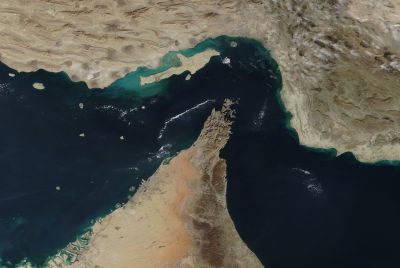
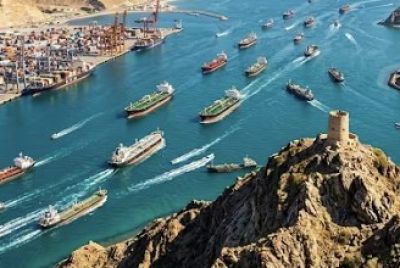
Yet on-the-ground realities in the Persian Gulf tell a more complicated story. On Wednesday, Iranian forces fired on three commercial vessels and seized at least two others in the Strait of Hormuz, according to multiple reports and video released by Iranian state media. The incidents occurred amid confusion over the waterway's status, with traffic nearly halting as shippers rerouted or idled outside the critical chokepoint.
U.S. Central Command confirmed that American forces had turned back dozens of vessels attempting to approach Iranian ports in recent days as part of the ongoing blockade. Iran's parliamentary speaker insisted that any lasting ceasefire depended on the complete lifting of maritime restrictions, calling the blockade an "act of war." Tehran has alternated between brief declarations that the strait was open and renewed assertions of control, using the waterway as leverage in negotiations.
Oil markets reacted with renewed volatility. Brent crude climbed toward $100 per barrel or higher in overnight trading as fears of prolonged disruption to roughly one-fifth of global seaborne oil supplies resurfaced. Energy analysts warned that even intermittent closures or attacks on shipping could keep risk premiums elevated for weeks, feeding into higher gasoline prices and broader inflationary pressures worldwide.
Diplomacy remains stalled. Iran submitted a 10-point proposal during earlier talks in Islamabad that included demands for sanctions relief, recognition of its role with Oman in managing the Strait of Hormuz, and an end to all attacks. U.S. officials described the document as insufficient and have pressed for additional concessions on nuclear activities and regional proxies. Vice President JD Vance is expected to lead any future U.S. delegation, though no firm meeting schedule has emerged.
Trump's shifting rhetoric on timelines has drawn scrutiny. In March he suggested the campaign could wrap up in two to three weeks or four to six weeks. By early April he spoke of finishing "very fast" and having core objectives "nearing completion." Wednesday's declaration of no time frame marks a clear pivot toward strategic ambiguity, with the president telling interviewers there was "no time pressure" on the extended ceasefire or upcoming talks.
Critics, including some congressional Democrats, accused the administration of lacking an exit strategy and risking entanglement in a protracted conflict. House Democratic leaders held a news conference highlighting concerns over costs, potential escalation and the humanitarian impact inside Iran. Supporters countered that decisive action had already crippled Iran's ability to project power, citing destroyed naval assets, grounded aircraft and degraded missile launch capacity.
The humanitarian toll continues to mount. Iranian officials report civilian casualties and infrastructure damage from earlier strikes, while the U.S. has acknowledged service member losses. Aid organizations have warned of growing food and medicine shortages as sanctions and blockade effects compound.
Regional allies present a mixed picture. Israel, which participated in initial operations, has maintained a lower profile during the ceasefire phase but continues to monitor Iranian proxy activities in Lebanon and elsewhere. Gulf states, heavily dependent on the Strait of Hormuz for exports, have quietly accelerated plans for alternative pipelines and storage while urging de-escalation.
For American voters, the conflict's open-ended nature arrives against a backdrop of domestic economic concerns. Higher energy costs threaten to erode gains from earlier policy initiatives, and polling shows declining approval for the administration's handling of foreign policy. Trump pushed back Wednesday, denying any link to midterm calculations and insisting decisions were driven solely by national security.
Military analysts describe the current phase as a "war of attrition by other means," with the naval blockade and targeted enforcement actions replacing large-scale air campaigns. CENTCOM reports that Iranian naval operations have been severely curtailed, yet small-boat tactics and Revolutionary Guard interventions in the strait demonstrate Tehran's remaining asymmetric capabilities.
Looking ahead, key variables include whether backchannel talks produce a breakthrough before tensions in the strait boil over again, and how long global markets can absorb elevated oil prices without broader economic damage. Some experts predict that sustained disruption could force strategic reserve releases by consuming nations or accelerate long-term shifts away from Middle East dependence.
The administration maintains that its objectives remain unchanged: eliminate Iran's path to a nuclear weapon, dismantle its offensive missile and drone programs, and reduce its ability to threaten international shipping and regional stability. Trump has repeatedly said he would know when the job is done "when I feel it in my bones," a characteristically personal metric that has left allies and adversaries guessing.
As Wednesday's events unfolded, shipping data showed continued low activity through the Strait of Hormuz, with insurers raising war-risk premiums and operators demanding clarity on safe passage. Environmental risks from potential oil spills in the narrow waterway added another layer of concern for global maritime authorities.
In Tehran, officials vowed to defend Iranian interests and rejected any ceasefire that failed to address the blockade. Iran's foreign ministry described U.S. actions as inconsistent and accused Washington of bad-faith negotiations.
For now, the conflict sits in a tense limbo — ceasefire extended but not solidified, blockade in place but not total, and military pressure eased but not removed. Trump's assertion of no time frame underscores a willingness to sustain leverage indefinitely if necessary, even as diplomats search for an off-ramp that satisfies both sides' red lines.
The coming days will test whether this strategic patience produces meaningful concessions or simply prolongs uncertainty across energy markets, shipping lanes and the broader Middle East. With no firm end date in sight, the U.S.-Iran confrontation continues to command global attention, its resolution as elusive as the shifting currents of the Strait of Hormuz itself.
© Copyright 2026 IBTimes AU. All rights reserved.
- Recommended For You