Iran Offers to Reopen Strait of Hormuz if US Lifts Blockade and Ends War
CAIRO — Iran has proposed reopening the Strait of Hormuz to commercial shipping in exchange for the United States lifting its naval blockade and agreeing to a permanent end to the ongoing conflict, two regional officials with knowledge of the diplomatic offer said Monday, marking a potential breakthrough in one of the most dangerous maritime standoffs in recent memory.

The proposal, conveyed to Washington through Pakistani intermediaries, would separate the immediate economic and humanitarian issue of restoring oil and gas flows through the critical chokepoint from longer-term negotiations on Iran's nuclear program, the officials told The Associated Press on condition of anonymity because the talks are private. It comes as shipping traffic through the strait has been severely restricted for weeks, contributing to higher global energy prices and supply chain disruptions.
Iranian Foreign Minister Abbas Araghchi, currently in Moscow for consultations, described the offer as a serious attempt to de-escalate tensions while protecting Iran's core interests. U.S. officials have acknowledged receiving the proposal but indicated President Donald Trump is unlikely to accept terms that defer nuclear discussions, according to sources familiar with the White House position.
Dual Blockade Creates Global Energy Crisis
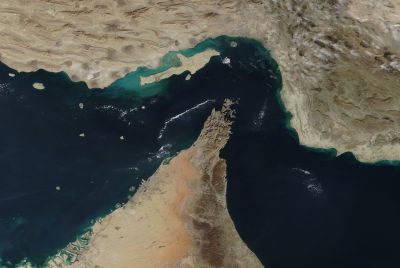
The Strait of Hormuz, a narrow waterway at the mouth of the Persian Gulf, carries approximately one-fifth of the world's traded oil and liquefied natural gas. Since the escalation of hostilities earlier this year, Iran has imposed restrictions on passage, while the U.S. has enforced a counter-blockade targeting ships heading to or from Iranian ports. The resulting "dual blockade" has left thousands of seafarers stranded and dramatically reduced energy flows, driving up global oil prices and raising inflation concerns worldwide.
Shipping companies have largely avoided the area due to insurance risks, drone threats and Iranian toll demands. Some vessels have been seized or attacked, further complicating navigation. The International Maritime Organization has confirmed multiple incidents, including attacks that have resulted in casualties.
Economic and Humanitarian Toll
The standoff has cost Iran hundreds of millions of dollars daily in lost oil revenue, according to analysts. Global energy markets have felt the strain, with oil prices remaining elevated despite occasional dips on hopes of de-escalation. Asian economies heavily dependent on Gulf oil imports have been particularly affected, with some countries seeking alternative suppliers at higher costs.
Beyond economics, the situation has created humanitarian challenges for seafarers trapped in the region. Reports indicate thousands remain on vessels awaiting safe passage, with limited access to supplies and medical care in some cases.
Diplomatic Efforts and Challenges
Pakistan has played a central mediating role, shuttling proposals between Washington and Tehran. However, deep disagreements persist. The U.S. insists on addressing Iran's nuclear ambitions as part of any comprehensive deal, while Iran seeks immediate relief from the blockade and an end to military pressure.
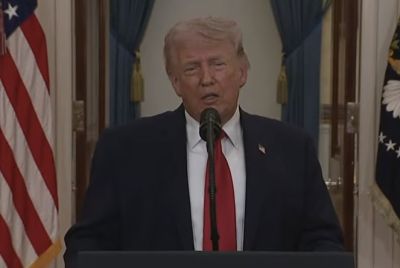
The latest Iranian offer reflects Tehran's growing economic pain while testing the Trump administration's willingness to prioritize energy market stability. Trump has previously described the closure as unacceptable and warned of further action if shipping does not resume.
International reactions have been mixed. European nations and Asian importers have called for swift reopening of the strait, with some offering support for mine-clearance operations once a sustainable ceasefire is in place. China and Russia have urged restraint and diplomatic solutions.
U.S. and Iranian Positions
The Trump administration maintains that the blockade is a necessary response to Iranian aggression and a tool to pressure Tehran on multiple fronts. Officials have signaled openness to talks but insist any agreement must include verifiable limits on Iran's nuclear program and regional activities.
Iranian officials accuse the U.S. of "economic terrorism" through the blockade and insist the strait's status is tied to broader security guarantees. They have warned that prolonged restrictions could lead to further escalation, though recent statements suggest a willingness to negotiate.
Market and Strategic Implications
Energy analysts warn that a prolonged closure or even partial restrictions could have lasting effects on global trade patterns. Shipping companies may reroute permanently, and insurance costs could remain elevated even after resolution. Strategic petroleum reserves in consuming nations have been drawn down, highlighting vulnerabilities in global energy security.
The crisis has also accelerated discussions about diversifying energy sources and investing in alternatives to Middle East oil. Renewable energy advocates argue the situation underscores the risks of continued fossil fuel dependence.
Path Forward
Diplomatic channels remain active, with Pakistan-mediated talks expected to continue in the coming days. Any breakthrough would likely require compromises on both sides, including phased lifting of restrictions and confidence-building measures.
For now, the strait remains a flashpoint where commercial shipping is severely limited, energy prices stay volatile, and the risk of miscalculation lingers. The latest Iranian proposal offers a potential off-ramp but faces significant hurdles given the entrenched positions of both sides.
As the world watches the narrow 21-mile-wide waterway that carries so much of global energy trade, the stakes could not be higher. A resolution would ease economic pressures worldwide, while continued stalemate risks broader conflict and further disruption to an already strained global economy.
© Copyright 2026 IBTimes AU. All rights reserved.
- Recommended For You