Strait of Hormuz Remains Heavily Restricted as US Blockade and Fragile Ceasefire Limit Shipping Traffic

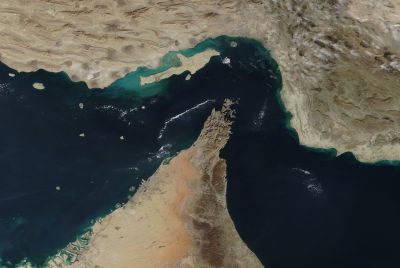
The Strait of Hormuz, the critical waterway through which roughly one-fifth of the world's oil and liquefied natural gas normally flows, stayed under severe restrictions Friday as a U.S. naval blockade targeting Iranian ports combined with lingering effects of earlier Iranian disruptions to keep commercial traffic at a fraction of pre-crisis levels.
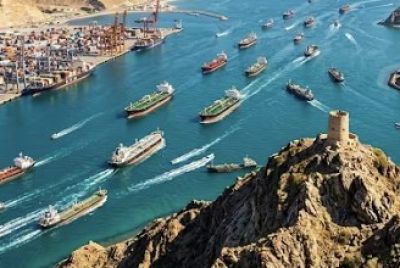
Ship-tracking data showed only a handful of vessels transiting the narrow passage between the Persian Gulf and the Gulf of Oman on April 17, 2026, with daily crossings hovering around 10 to 15 percent of the normal average of about 100 ships per day. The U.S. Central Command reported that its partial blockade of Iranian ports, fully implemented earlier in the week, had turned back at least 13 vessels attempting to enter or exit Iranian waters, while allowing non-Iranian traffic to proceed under heightened naval oversight.
The restrictions stem from a chain of events that began Feb. 28 with U.S.-Israeli military strikes on Iran, which prompted Tehran to effectively close the strait to most international shipping. Iran cited security concerns and retaliated by attacking or threatening vessels, with ship-tracking firm Kpler recording 22 attacks on ships between late February and mid-April. Traffic plummeted more than 95 percent in the initial weeks, leaving hundreds of tankers anchored or rerouted and triggering the largest supply disruption in the history of the global oil market.
A fragile ceasefire between the United States and Iran took effect April 8, raising hopes for a swift reopening. Yet progress has been slow. Only about 45 ships entered or exited the strait in the days immediately following the truce, according to Kpler data. Iranian forces have asserted control by directing traffic along preferred routes near their territorial waters and, in some cases, imposing conditions or tolls on passage.
On April 13, President Donald Trump announced a U.S. naval blockade specifically aimed at vessels calling at Iranian ports, a move intended to increase economic pressure on Tehran and encourage compliance with ceasefire terms. U.S. officials, including Defense Secretary Pete Hegseth and Joint Chiefs Chairman Gen. Dan Caine, clarified that the operation targets Iranian ports rather than imposing a total closure of the strait itself. Navy warships from U.S. Central Command have patrolled east of the waterway, intercepting and redirecting Iran-linked vessels while escorting or monitoring others.
Pentagon statements indicated the blockade was "fully implemented" within days, with at least 10 to 13 ships turned back in the initial period. Iran denounced the action as "illegal piracy" and threatened retaliation, including potential disruption of shipping in the Red Sea if the measures continued. Chinese officials labeled the blockade "dangerous and irresponsible," urging de-escalation while Beijing pushed for resumed oil flows.
Despite the blockade, limited traffic has continued. On recent days, a small number of oil tankers and bulk carriers — including some sanctioned Chinese-linked vessels and others not bound for Iranian ports — successfully transited using the northern corridor near Iranian islands. Maritime analysts from firms such as Windward, LSEG and MarineTraffic reported outbound movements slightly outpacing inbound ones in some 24-hour periods, but overall volume remained sharply depressed. Hundreds of vessels continued to linger in the broader Gulf region, wary of insurance risks and naval confrontations.
War-risk insurance premiums for voyages through the area have soared, with underwriters reviewing coverage every 48 hours. Many shipowners have opted to keep vessels stationary or reroute around the Cape of Good Hope, adding significant time and cost to journeys. The disruptions have already driven up global oil prices, strained energy markets and raised concerns about knock-on effects for gasoline, heating oil and broader commodity supply chains.
The strategic chokepoint's vulnerability has long been a flashpoint. Roughly 20 percent of global oil trade and a similar share of liquefied natural gas pass through the strait under normal conditions. The current crisis has cut effective supply far more dramatically, exacerbating volatility even as some Gulf producers attempted to compensate through alternative export routes or increased output where possible.
U.S. military leaders have emphasized that the goal is not a permanent shutdown but enforcement of sanctions and pressure for normalized navigation. Adm. Brad Cooper, commander of U.S. Central Command, stated that forces were operating with a focused naval presence while clearing potential threats such as mines reportedly deployed by Iranian forces earlier in the conflict. Clearing operations could take time, adding uncertainty to any full reopening timeline.
International reactions have been mixed. European allies have expressed concern over the humanitarian and economic fallout, with some former officials warning of potential crises if the strait remains throttled for an extended period. China, a major buyer of Iranian oil, has engaged diplomatically to encourage de-escalation and resumption of flows. Gulf neighbors, including the United Arab Emirates and Saudi Arabia, have monitored the situation closely, balancing their own security needs with the desire for stable energy exports.
On the ground, shipping data platforms such as the Strait of Hormuz Live Tracker described the status as "restricted" for nearly 50 days as of mid-April. Real-time AIS signals showed sparse activity, with occasional dark transits — vessels operating without automatic identification systems — complicating full visibility. Analysts noted that while some Iran-friendly or neutral shipping continued under negotiated arrangements, the broader commercial fleet remained hesitant.
The blockade has also tested legal and diplomatic boundaries. Questions persist about the precise scope of U.S. actions under international maritime law, with critics arguing it risks escalation even as supporters view it as a necessary lever to counter Iranian aggression. Tehran has warned it could target ports in neighboring countries or expand disruptions elsewhere if pressured further.
Looking ahead, any sustained reopening will likely require clearer ceasefire implementation, mine countermeasures, reduced naval tensions and restored confidence among shippers and insurers. Talks aimed at broader de-escalation continue behind the scenes, but progress has been incremental. In the meantime, energy markets remain on edge, with traders watching daily transit numbers for signs of normalization.
The situation underscores the strait's enduring importance as a global energy artery. Even partial restrictions ripple through economies worldwide, affecting everything from fuel prices at the pump to industrial production and inflation outlooks. For now, the combination of prior Iranian controls, recent U.S. enforcement and lingering security risks keeps the Strait of Hormuz in a state of uneasy limitation rather than outright closure or full openness.
Maritime security agencies continue to advise caution, with heightened alerts for vessels in the Persian Gulf, Gulf of Oman and surrounding waters. As diplomatic and military efforts unfold, the world watches to see whether the fragile truce can translate into reliable freedom of navigation through one of the planet's most vital maritime passages.
© Copyright 2026 IBTimes AU. All rights reserved.
- Recommended For You