Trump Hails Iran Strait Opening: Hormuz Fully Open After US Pressure as Oil Flows Resume
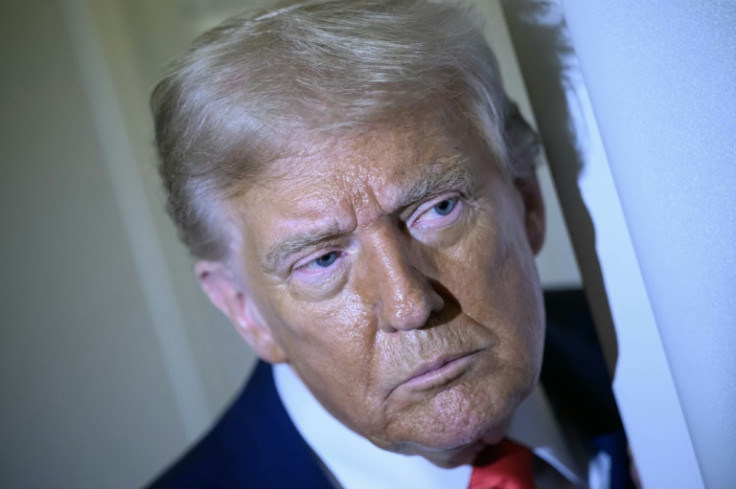
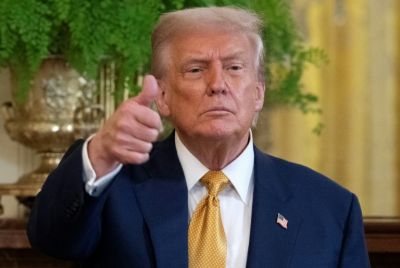
WASHINGTON — President Donald Trump announced Friday that Iran has declared the Strait of Hormuz fully open and ready for unrestricted passage, claiming a diplomatic and military victory after weeks of U.S. naval enforcement and escalating tensions in the Persian Gulf. In a morning post on Truth Social, Trump declared, "IRAN HAS JUST ANNOUNCED THAT THE STRAIT OF IRAN IS FULLY OPEN AND READY FOR FULL PASSAGE. THANK YOU!" The statement, posted at 8:06 a.m. ET, quickly drew widespread attention amid ongoing global concerns over energy security and the fragile Middle East ceasefire.
The development marks a potential turning point in the conflict that erupted earlier in 2026. U.S. forces imposed a naval blockade targeting Iranian ports and vessels linked to the strait following the collapse of peace talks in Islamabad. The action dramatically reduced oil flows through the chokepoint — which normally carries about one-fifth of global seaborne crude — from roughly 20 million barrels per day to as low as 3.8 million barrels daily at the height of disruptions, according to International Energy Agency estimates. Trump had previously warned Iran in blunt terms, including an Easter message demanding the strait reopen or face severe consequences.
Iranian officials confirmed the reopening in statements carried by state media, attributing the decision to "new leadership" described by Trump as "much less radicalized and far more intelligent" than previous regimes. The announcement followed reports of direct communications between U.S. and Iranian representatives, with Trump indicating the United States would consider a ceasefire once safe navigation was restored. Shipping data showed an immediate uptick in tanker movements Friday, though analysts cautioned that full restoration of pre-crisis volumes could take days or weeks due to insurance costs and lingering security concerns.
The Trump administration framed the outcome as a direct result of American resolve. Pentagon officials noted that U.S. naval assets maintained pressure without engaging in direct combat with commercial shipping, focusing instead on deterring Iranian tolls and selective blockades imposed earlier in retaliation for U.S.-Israeli strikes. "Strong leadership gets results," a senior White House official said, speaking on condition of anonymity to discuss sensitive diplomacy. Trump's post, which received thousands of likes and reposts within hours, echoed his campaign-style emphasis on decisive action yielding quick wins.
International reaction was mixed. China, the largest buyer of Iranian oil, welcomed the reopening while reiterating calls for restraint and dialogue. Beijing had previously criticized the U.S. blockade as destabilizing and continued limited tanker transits during the enforcement period. European leaders expressed relief over stabilizing energy prices but urged a broader political resolution to prevent future flare-ups. Oil markets responded positively, with benchmark crude futures easing from recent highs as traders anticipated resumed flows.
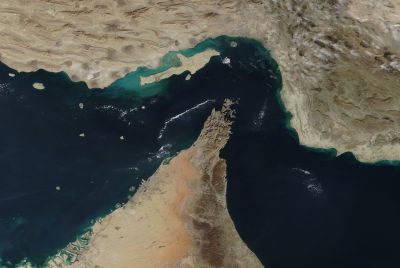
The episode underscores the strait's enduring strategic importance. Located between Iran and Oman, the narrow waterway serves as the primary export route for Persian Gulf producers including Saudi Arabia, Iraq, the United Arab Emirates and Kuwait. Disruptions earlier this year contributed to elevated global fuel prices, straining economies already grappling with inflation and supply-chain issues. Restoration of open passage could ease pressure on consumers and industries dependent on stable energy costs.
Critics questioned whether the announcement represented a genuine de-escalation or a temporary tactical move. Some foreign policy analysts noted that Iran retains the capability to restrict traffic again if underlying disputes — including sanctions, regional proxy conflicts and nuclear concerns — remain unresolved. Trump's earlier messages, including threats of striking power plants and infrastructure, highlighted the high stakes. Supporters, however, credited the administration's willingness to project strength for compelling Iran to back down without a wider war.
The timing aligns with Trump's ongoing efforts to reshape U.S. Middle East policy. Since returning to office, he has prioritized energy dominance, reduced entanglement in prolonged conflicts and pressure on adversaries through economic and military leverage. The Hormuz development follows reports of discussions with a "new, more reasonable regime" in Tehran, suggesting possible shifts in Iranian leadership dynamics after months of internal and external pressures.
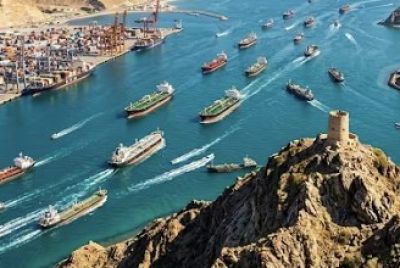
For global shipping, the news brings cautious optimism. Maritime insurers had hiked war-risk premiums dramatically during the blockade, driving up costs for vessels transiting the region. With the strait declared open, operators may resume normal routing, though many will continue enhanced security measures. Alternative pipelines and overland routes provided limited relief during disruptions but cannot match the volume capacity of tanker traffic through Hormuz.
Domestic political observers noted the post's simplicity and direct tone, consistent with Trump's communication style on Truth Social. The platform, which he launched after being banned from major social media sites in prior years, remains his primary channel for unfiltered statements. Friday's announcement quickly sparked debate online, with supporters hailing it as proof of effective leadership and detractors warning against over-optimism given the region's volatility.
Energy experts emphasized that sustained openness depends on continued diplomacy and enforcement credibility. The U.S. maintains significant naval presence in the Gulf, and any renewed Iranian restrictions could prompt swift responses. Meanwhile, oil-producing allies in the Gulf Cooperation Council welcomed the development, viewing stable Hormuz traffic as essential for their economies.
The broader context includes fragile ceasefires across multiple fronts in the Middle East. Progress on Hormuz could facilitate wider talks, though deep-seated issues persist. Trump has signaled willingness to engage constructively when conditions are met, balancing toughness with pragmatism.
As tanker traffic increases, markets will monitor actual volumes and pricing responses. Refineries in Asia and Europe, heavily reliant on Gulf crude, stand to benefit from normalized supplies. For American consumers, any downward pressure on gasoline prices would provide welcome relief amid other economic pressures.
The announcement also highlights evolving great-power dynamics. While the U.S. asserted influence through naval power, China and Russia watched closely, each with their own interests in regional stability and energy flows. Beijing's measured response reflected its dual role as a major importer and diplomatic actor.
Looking ahead, the coming weeks will test whether the reopened strait leads to lasting calm or merely a pause in hostilities. Diplomatic channels remain active, with potential for further announcements from both Washington and Tehran. For now, Trump's declaration offers a moment of relief in a year marked by geopolitical turbulence.
The development serves as a reminder of how quickly maritime chokepoints can disrupt the global economy — and how targeted pressure can sometimes yield rapid results. As ships resume full passage through the Strait of Hormuz, the world will watch to see if this opening translates into broader peace or sets the stage for future confrontations.
© Copyright 2026 IBTimes AU. All rights reserved.
- Recommended For You