Trump Strait of Hormuz Threats 2026: 'Hell' Warnings Lead to Iran Ceasefire Deal as Oil Routes Reopen
WASHINGTON — President Donald Trump escalated his rhetoric to unprecedented levels this week with profanity-laced threats to obliterate Iranian power plants and bridges, warning that "a whole civilization will die tonight" unless Tehran reopened the Strait of Hormuz, before announcing a conditional two-week ceasefire Tuesday that appears to have de-escalated immediate crisis risks.
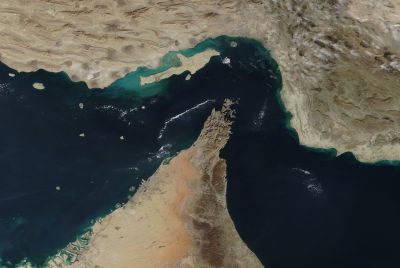
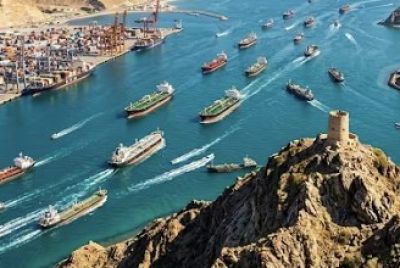
The volatile exchange, unfolding against the backdrop of ongoing U.S.-Israel military actions against Iran, centered on the narrow waterway that carries nearly one-fifth of global oil trade. Iran's closure or severe restriction of the strait in recent weeks sent shockwaves through energy markets and heightened fears of a broader regional conflict.
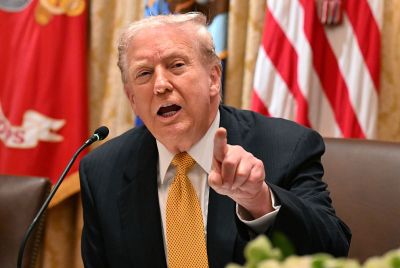
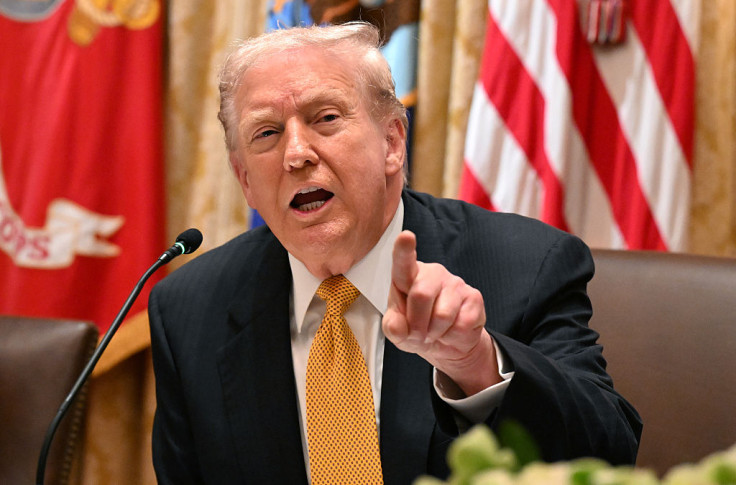
In a series of Truth Social posts and public statements, Trump issued repeated deadlines — initially 48 hours, then extended multiple times — demanding unrestricted shipping access. His most inflammatory message came Easter Sunday: "Tuesday will be Power Plant Day, and Bridge Day, all wrapped up in one, in Iran. There will be nothing like it!!! Open the Fuckin' Strait, you crazy bastards, or you'll be living in Hell — JUST WATCH!"
Hours before the latest deadline, Trump warned "a whole civilization will die tonight, never to be brought back again," drawing accusations of threatening war crimes and genocide from critics. He defended targeting civilian infrastructure, stating the U.S. military had precise plans to decimate every bridge and leave power plants "burning, exploding and never to be used again."
Dramatic Reversal: Ceasefire Announcement
Less than two hours before the Tuesday evening deadline, Trump announced a "double-sided" two-week ceasefire, conditional on Iran immediately reopening the strait to international shipping. Iran's Foreign Minister Abbas Araghchi responded that Tehran would agree "if attacks against Iran are halted," paving the way for negotiations scheduled to begin Friday in Islamabad, Pakistan.
Oil prices plunged on the news, reflecting relief that the world's most critical energy chokepoint could soon resume normal operations. Analysts estimate that full reopening could add millions of barrels per day to global supply and ease pressure on already elevated energy costs.
The ceasefire centers squarely on Hormuz. Trump has repeatedly suggested the U.S. could "take the oil" and even impose tolls on passage through the strait, once famously referring to it as the "Strait of Trump" during a speech. He has also pushed allies, including Japan and the UK, to contribute naval forces for patrolling, criticizing them for not doing enough.
Background: How the Hormuz Crisis Escalated
The current standoff traces back to intensified U.S.-Israel operations against Iranian targets, including nuclear facilities and military sites. Iran responded by restricting shipping through the strait, mining approaches and harassing vessels, effectively weaponizing its geographic control over the 21-mile-wide passage between the Persian Gulf and the Gulf of Oman.
Trump initially signaled the U.S. might wash its hands of the issue post-conflict, telling other nations to "Build up some delayed courage, go to the Strait, and just TAKE IT." Yet as disruptions mounted — with reports of tankers struck and insurance rates skyrocketing — his administration shifted to aggressive deadlines.
Earlier posts suggested U.S. forces could "easily OPEN THE HORMUZ STRAIT, TAKE THE OIL, & MAKE A FORTUNE" with more time. The president has framed the conflict as nearly won, claiming Iran is defeated and that reopening the waterway is the final step toward regional stability.
Global Reactions and Economic Fallout
International reaction has been mixed. European allies expressed alarm over Trump's language and the targeting of civilian infrastructure, with some warning it could constitute war crimes. Gulf states, heavily dependent on the strait, urged calm while quietly supporting pressure on Iran. China and Russia criticized the U.S. approach, calling for de-escalation through diplomacy.
Energy markets remain jittery. Even partial restrictions have driven up crude prices, affecting everything from gasoline in the U.S. to heating oil in Europe and Asia. Asian nations, which receive the bulk of Hormuz crude, have been particularly vocal about securing alternative routes or naval escorts.
Domestically, Trump's hardline stance has drawn praise from supporters who view it as decisive leadership against a longtime adversary. Critics, including some Republicans, worry the bellicose tone risks unnecessary escalation and alienates potential partners. Public opinion polls show divided American views on deeper involvement in the Iran conflict.
Strategic Stakes and What Comes Next
The Strait of Hormuz has long been a flashpoint. Roughly 21 million barrels of oil pass through daily in normal times. Iran's Islamic Revolutionary Guard Corps has vowed the waterway "will never return to its former state, especially for America and Israel," signaling potential for future disruptions.
For Trump, success in reopening the strait would represent a major foreign policy win, potentially lowering gas prices ahead of midterm considerations and bolstering his image as a dealmaker who delivers results through strength. Failure could prolong economic pain and complicate broader Middle East strategy.
Negotiations in Pakistan will test whether the two-week pause can evolve into something more durable. Key issues include verification of open passage, sanctions relief, and Iran's nuclear program. Mediators face a steep challenge bridging deep mistrust accumulated over decades.
Military analysts note that while U.S. forces possess overwhelming capability to neutralize Iranian coastal defenses and clear the strait, the operation would carry significant risks, including mine countermeasures, asymmetric attacks, and potential spillover into wider war.
Trump's Hormuz Rhetoric in Context
Trump's statements reflect his signature blunt style, blending threats, economic incentives and personal branding. From calling the passage the "Strait of Trump" to promising fortune through reopened routes, he has treated the crisis as both a security imperative and a business opportunity.
As the ceasefire holds — at least temporarily — global attention turns to whether Iran will honor its commitments and whether Trump's mix of maximum pressure and last-minute diplomacy can produce lasting stability in one of the world's most volatile regions.
For now, the immediate threat of escalated strikes has receded, but the underlying tensions remain. The coming days and weeks will determine if the Hormuz crisis becomes a footnote in a broader peace effort or the prelude to even more dangerous confrontations.
© Copyright 2026 IBTimes AU. All rights reserved.
- Recommended For You