(VIDEO) Xi Jinping Welcomes Putin in Beijing, Hails Ties as 'Calm Amid Chaos' in Veiled Jab at US
China and Russia deepen strategic coordination as Xi and Putin meet in Beijing, highlighting their partnership amid global tensions.
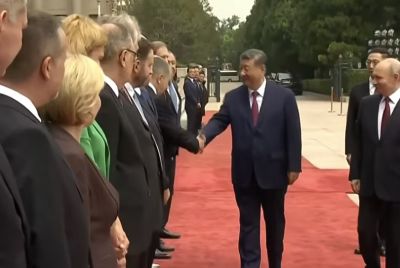
BEIJING — Chinese President Xi Jinping welcomed Russian President Vladimir Putin with full state honors on Wednesday, May 20, 2026, at the Great Hall of the People, describing China-Russia relations as a force of "calm amid chaos" days after hosting U.S. President Donald Trump.
Xi and Putin met for talks kicking off the Russian leader's roughly 24-hour state visit, marking Putin's 25th official trip to China during his time as president. The two leaders inspected an honor guard, received a gun salute and watched as children waved flags and flowers during the red-carpet ceremony.

In opening remarks, Xi alluded to global instability and took a veiled jab at the United States. "The international situation is marked by intertwined turbulence and transformation, while unilateral hegemonic currents are running rampant," Xi said, according to Chinese state media.
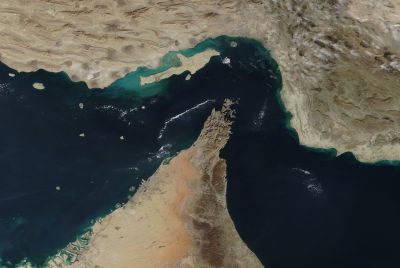
He called on China and Russia to enhance their "comprehensive strategic coordination" in response. Xi also addressed the U.S.-Israeli conflict with Iran, saying its "early end" would help reduce disruption to energy supplies, supply chains and trade. "A comprehensive cessation of war brooks no delay, restarting hostilities is even less desirable, and persisting with negotiations is particularly important," he added.
Putin, whose military continues operations in Ukraine, described bilateral relations as having reached an "unprecedentedly high level" and serving as one of the "main stabilizing factors on the international stage." He used a Chinese idiom meaning "one day apart feels like three autumns" to highlight his close personal ties with Xi, noting the two have met more than 40 times.
The visit celebrates the 25th anniversary of the 2001 Treaty of Good-Neighborliness and Friendly Cooperation between the two countries. Discussions are expected to cover energy, industry, agriculture, transport, high-tech cooperation and the ongoing wars in Ukraine and the Middle East.
Putin told Xi that "amid the crisis in the Middle East, Russia continues to maintain its role as a reliable supplier of resources, while China remains a responsible consumer of these resources."
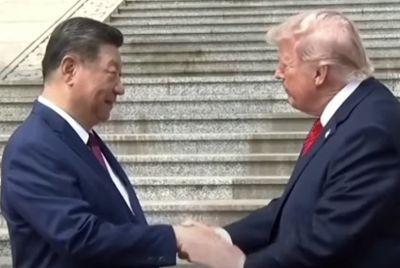
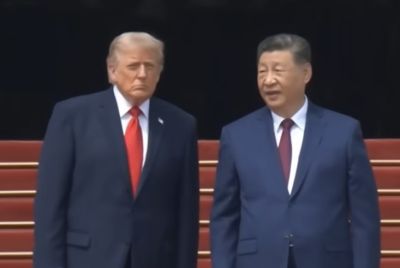
The meetings come shortly after Xi hosted Trump for a landmark U.S.-China summit last week. Hosting both leaders in quick succession underscores Beijing's positioning as a global powerbroker.
China and Russia have deepened coordination across trade, diplomacy and security in recent years, driven by shared tensions with the United States and a desire to reshape what they view as a Western-dominated world order. Their partnership has been described as having "no limits."
The red-carpet welcome mirrored the ceremony given to Trump, including military honors and flag displays. Putin appeared relaxed during the proceedings as Russian and Chinese flags fluttered in the background.
This is Putin's first visit to China since the escalation of conflict in the Middle East. Russia has faced recent challenges, including a major Ukrainian drone attack on Moscow and reported territorial losses in Ukraine.
Xi's remarks on the Iran conflict highlight China's interest in stable energy supplies. Beijing relies on imports from the region, and disruptions have affected global markets.
Bilateral trade between China and Russia has grown significantly, with Russia becoming a key supplier of oil, gas and other resources to China. Economic ties have helped Russia weather Western sanctions related to Ukraine.
The two sides are expected to issue joint statements or agreements following the day of meetings. Topics likely include further alignment on international issues and practical cooperation in high-tech and infrastructure.
Xi and Putin last met in September 2025. Their frequent interactions reflect a strategic alignment that has endured despite global shifts, including the return of Trump to the White House.
For China, the visit reinforces its role in international diplomacy. For Russia, it provides an opportunity to demonstrate continued global partnerships amid ongoing conflicts.
The ceremony featured a military band and full honors typical of state visits. Top Chinese officials joined Xi in greeting Putin. The leaders stood shoulder to shoulder during parts of the welcome.
Analysts note the increasingly asymmetric nature of the relationship, with Russia's economy more dependent on China. Energy cooperation remains central, especially as Middle East tensions affect oil flows.
The 2001 treaty resolved historical border issues and laid the foundation for closer ties. Its 25th anniversary provides a symbolic backdrop for the current meetings.
Putin's agenda includes discussions on the Ukraine conflict and potential coordination on Middle East developments. China has maintained neutrality on Ukraine while calling for negotiations.
The visit occurs as both nations navigate relations with the United States. Trump's recent summit with Xi focused on trade and other bilateral issues.
State media in both countries emphasized the strength and stability of the partnership. Chinese coverage highlighted the "comprehensive strategic coordination" between the two powers.
Further outcomes from the meetings, including any signed agreements or joint declarations, are expected later on May 20 or in following days. The visit concludes Putin's roughly 24-hour stay in Beijing.
The leaders' personal rapport has been a consistent feature of China-Russia summits. Their more than 40 meetings since Xi took power underscore the depth of the bilateral relationship.
As global tensions persist across multiple regions, the Xi-Putin meeting signals continued alignment between the two largest authoritarian powers. The red-carpet welcome and public remarks reinforce their shared narrative on international affairs.
© Copyright 2026 IBTimes AU. All rights reserved.
- Recommended For You