Trump Secures Clear Edge Over Xi in Beijing Summit with Major Trade and Energy Wins
President Trump achieves significant economic and strategic gains during high-stakes summit with China's Xi Jinping.

BEIJING — President Donald Trump emerged from two days of intense negotiations with Chinese President Xi Jinping with tangible victories that strengthen America's economic position, as the United States extracted concrete commitments on energy purchases, Boeing aircraft orders and agricultural exports while holding firm on core strategic issues including Taiwan and technology restrictions.
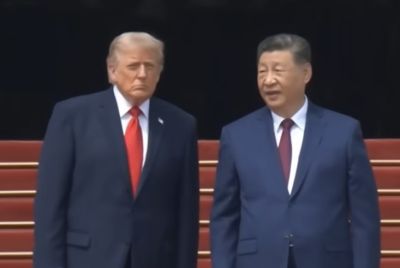
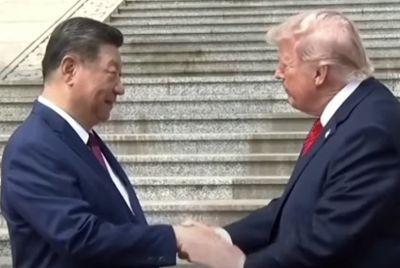
The high-stakes summit, the first U.S. presidential visit to China in nearly a decade, concluded Friday with Trump declaring the meetings "extremely productive" and securing deliverables that directly benefit American workers, manufacturers and energy producers amid global disruptions caused by the Iran conflict. While both leaders projected warmth and mutual respect, analysts assessing outcomes say Trump achieved more measurable gains without making significant concessions on America's strategic red lines.
Trump brought a powerful delegation of U.S. business leaders including Elon Musk, Tim Cook and Jensen Huang, leveraging their presence to push for expanded market access and fairer trade practices. The trip yielded commitments from China to significantly increase purchases of U.S. energy, Boeing aircraft and agricultural goods — moves designed to help offset global oil supply concerns and support American jobs.
Key Wins for the United States
White House officials highlighted several concrete outcomes. China agreed to ramp up imports of American liquefied natural gas and other energy products, providing crucial stability for U.S. producers facing volatile global markets. Boeing secured firm commitments for additional aircraft orders, a major boost for American manufacturing and aerospace workers. Agricultural exports also received a significant lift, benefiting Midwest farmers.
On the diplomatic front, both nations reaffirmed that Iran must not develop nuclear weapons and that the Strait of Hormuz must remain open for energy shipments — a critical priority for global markets and U.S. allies. Trump's team successfully avoided major concessions on Taiwan, with no softening of America's support for the island's security despite Xi's firm public statements on the issue.
Trump used the summit to reinforce America's technological edge, with U.S. executives pressing successfully for improved regulatory conditions. The meetings also advanced discussions on fentanyl precursor chemicals, addressing a key domestic priority for the Trump administration.
China's Limited Gains
While Xi hosted Trump with full state honors and emphasized "partnership over rivalry," Beijing offered mostly incremental steps rather than structural reforms. Chinese state media focused heavily on optics and mutual respect, but analysts note that China conceded more on commercial purchases to secure stability during a period of global uncertainty. Xi's warning on Taiwan was firm but produced no policy shift from the American side.
Trump's approach — combining personal diplomacy with business leverage — proved effective. The inclusion of top American CEOs created direct pressure that translated into purchasing commitments, giving the U.S. side measurable economic wins that can be highlighted domestically.
Strong Domestic and International Reaction
In Washington, Republicans hailed the summit as a clear success for American interests, with many praising Trump's ability to extract concessions while protecting strategic priorities. Business groups welcomed the energy and aircraft deals as immediate boosts for U.S. exporters. Democrats offered measured praise for the energy stability agreements while calling for stronger action on human rights.
Taiwanese officials expressed satisfaction that no major concessions were made on their security. European and Asian allies viewed the outcome as a net positive for global stability, with U.S. leadership helping maintain pressure on key issues like Iran.
Strategic Context and Long-Term Impact
The summit occurred against the backdrop of ongoing U.S.-China competition, but Trump's team successfully framed the relationship as one of managed rivalry rather than outright confrontation. By securing commercial wins without compromising on technology export controls or Taiwan policy, the administration advanced America's economic interests while maintaining strategic deterrence.
Analysts note that Trump's personal rapport with Xi, built over multiple meetings, allowed for more direct and results-oriented discussions than traditional diplomatic channels. The presence of Musk, Cook and Huang amplified American leverage, demonstrating the synergy between U.S. government policy and private-sector strength.
For China, the visit provided valuable stability during a challenging period, but the tangible concessions on purchases and energy suggest Beijing blinked first on immediate economic pressure points. Xi maintained his public stance on Taiwan but failed to extract any softening of U.S. positions.
What Comes Next
Trump returns to Washington with deliverables he can tout as proof of his "America First" approach delivering results. Follow-up negotiations will focus on implementing the new purchase agreements and addressing remaining issues. Xi's invitation to visit the White House in September keeps dialogue channels open.
The Beijing summit marks a notable chapter in U.S.-China relations, with Trump demonstrating that targeted diplomacy backed by economic leverage can produce favorable outcomes for American interests. While the broader strategic competition continues, this meeting delivered clear edges for the United States on trade, energy security and maintaining firm positions on core national security concerns.
As Air Force One departed Beijing, Trump's team projected confidence that the agreements reached will strengthen the U.S. economy and global standing. In the ongoing superpower relationship, this round clearly tilted toward American priorities and practical wins. The true test will be in the months ahead as both nations implement what was agreed and prepare for future engagements.
© Copyright 2026 IBTimes AU. All rights reserved.
- Recommended For You