Trump Departs Beijing After Cordial Xi Summit but Deep Rifts on Taiwan and Trade Linger
President Trump's visit to China highlights symbolic gestures but leaves key issues unresolved.

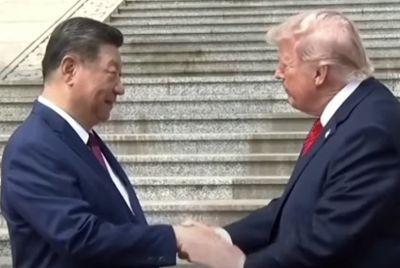
BEIJING — President Donald Trump boarded Air Force One Friday afternoon and departed Beijing after two days of high-stakes talks with Chinese President Xi Jinping, wrapping up the first U.S. presidential visit to China in nearly a decade with warm public rhetoric but few concrete agreements to ease tensions between the world's two largest economies.
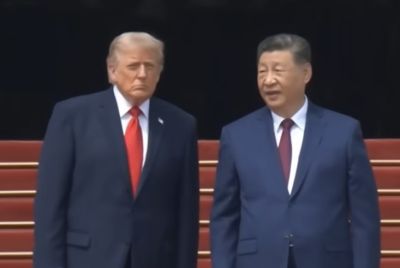
Trump described the summit as "incredible" and "extremely productive," claiming the leaders had settled "a lot of different problems." Xi reciprocated with praise for the relationship and hosted Trump at the Zhongnanhai leadership compound for final meetings and a working lunch. Yet beneath the pageantry — elaborate welcome ceremonies, a lavish state banquet and photo ops at the Great Hall of the People — fundamental differences on Taiwan, technology restrictions and trade imbalances remained unresolved.
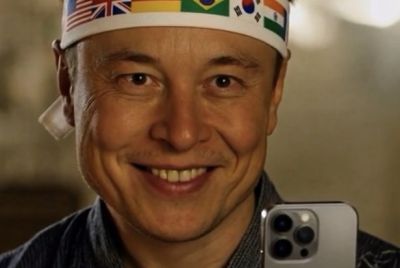
The summit occurred against the backdrop of global instability from the U.S.-Israeli conflict with Iran, which has disrupted energy markets and the Strait of Hormuz. Both leaders agreed Iran should not develop nuclear weapons and stressed the need to reopen the critical shipping chokepoint, but no joint plan emerged. Trump brought a delegation of top U.S. executives, including Tesla's Elon Musk, Apple's Tim Cook and Nvidia's Jensen Huang, who joined portions of the meetings to advocate for better market access.
Limited Progress Amid Symbolic Gestures
White House officials highlighted commitments from China to purchase additional U.S. Boeing aircraft and more American energy exports to help offset global oil disruptions. Treasury Secretary Scott Bessent noted China's own need for stable energy flows. However, no comprehensive trade deal was announced, and longstanding U.S. complaints about tariffs, intellectual property and market access saw only incremental discussion.
Xi used the meetings to deliver a firm warning on Taiwan, describing it as the "most important issue" in bilateral relations. Mishandling the self-governing island Beijing claims as its territory could push the two powers toward "conflict" or a "highly dangerous situation," according to Chinese state media readouts. Trump declined to address Taiwan publicly when questioned, with the White House readout focusing instead on economic cooperation and fentanyl curbs.
Analysts described the tone as a deliberate effort to stabilize relations rather than reset them. "Both sides are playing up stability without resolving core tensions," one expert noted. The visit reciprocated Xi's 2017 Mar-a-Lago trip, complete with similar hospitality and personal rapport between the leaders.
Business Leaders in the Mix
The presence of American CEOs underscored the economic stakes. Musk, Cook and Huang pitched expanded operations in China amid ongoing U.S. export controls on advanced chips and Chinese retaliation. Trump has long favored personal diplomacy mixed with business incentives, and the summit continued that pattern.
No breakthroughs on artificial intelligence restrictions or technology decoupling were reported. Both nations continue navigating a delicate balance between competition and cooperation in critical sectors.
Domestic and International Reactions
In Washington, Republicans largely praised Trump's deal-making approach, while Democrats criticized the lack of tangible outcomes on human rights, forced labor and strategic competition. Taiwanese officials expressed cautious relief that no major concessions appeared to have been made on their security.
Chinese state media emphasized mutual respect and partnership over rivalry. Xi told Trump the two countries should be "partners, not adversaries." Trump, in departure remarks, predicted the relationship would reach new heights and invited Xi to visit the White House in September.
Context of a Fragile Relationship
U.S.-China ties have oscillated between confrontation and cautious engagement throughout Trump's political career. His first-term tariffs and technology restrictions reshaped global supply chains. The current visit, delayed by the Iran conflict, tested whether personal chemistry could deliver results where formal negotiations often stall.
Trade remains a flashpoint. The U.S. runs a significant goods deficit with China, and American businesses continue pushing for fairer access. Beijing seeks reduced tariffs and relief from export controls that hamper its tech ambitions.
Taiwan looms as the most dangerous potential flashpoint. U.S. arms sales to the island, recently approved by Congress at around $14 billion, drew Chinese condemnation. Xi's warning underscored Beijing's red lines even as Trump's team emphasized deterrence without provocation.
What the Summit Achieved — and Didn't
Supporters view the meetings as successful damage control in a relationship prone to escalation. Critics argue the lack of deliverables reflects China's unwillingness to make structural changes. No joint statement was issued, and details on private discussions remain limited.
Trump's team pointed to progress on fentanyl precursor chemicals and agricultural purchases. Energy deals could help stabilize markets strained by the Iran war. Yet strategic competition in the Indo-Pacific, South China Sea disputes and human rights concerns received less public attention.
As Air Force One lifted off from Beijing Capital International Airport, Trump told reporters the trip exceeded expectations. Xi's government portrayed the visit as evidence of China's global stature and commitment to dialogue.
Looking Ahead
The summit buys time but leaves unresolved the structural rivalry defining 21st-century geopolitics. Future talks will likely focus on implementing any modest agreements reached this week while managing flashpoints like Taiwan and semiconductor wars.
Trump returns to Washington facing domestic questions on inflation, energy prices and his broader foreign policy. For Xi, the meetings reinforce his image as a steady global leader amid China's economic challenges.
The relationship remains shaky — improved atmospherics but persistent underlying friction. As one analyst summarized, "They glossed over differences effectively, but the hard work of narrowing them lies ahead."
Trump's departure marks the end of a visually striking diplomatic interlude heavy on ceremony and personal engagement. Whether it translates into lasting stability or merely a temporary thaw will depend on follow-through in the coming months. For now, both leaders project optimism while their governments prepare for continued competition beneath the surface of cordial summits.
© Copyright 2026 IBTimes AU. All rights reserved.
- Recommended For You