Global Oil Prices Surge Over 5% as Iran Recloses Strait of Hormuz, Sparking Fresh Energy Crisis Fears
World petrol prices jumped sharply Monday amid renewed tensions in the Strait of Hormuz, with Brent crude climbing more than 5% to trade near $95-96 per barrel as Iran reimposed restrictions on the vital shipping lane following a brief reopening, sending shockwaves through global energy markets and raising concerns about prolonged supply disruptions.

As of early trading on April 20, 2026, Brent crude futures, the international benchmark, rose about 5.5% to around $95.36 per barrel, while West Texas Intermediate crude gained over 6% to approximately $88.89 per barrel. The surge reversed some of the previous week's declines triggered by hopes of a ceasefire and temporary opening of the strait, underscoring the fragility of de-escalation efforts between Iran and the United States.
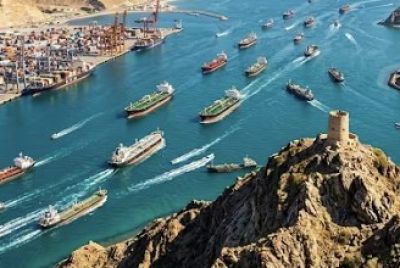
The price spike followed reports that Iranian forces fired warning shots at tankers and declared the strait under strict control after accusing Washington of violating understandings by seizing an Iranian cargo ship. Traffic through the narrow waterway, which handles roughly one-fifth of global oil supply, dropped dramatically, with many vessels turning back or delaying transits amid uncertainty over mine risks, coordination requirements and insurance costs.
"Renewed US-Iran tension" drove the rebound, analysts said, as hopes for normalized shipping evaporated within hours of Iran's announcement that the strait was "completely open" during a fragile ceasefire period. President Donald Trump had welcomed the initial reopening, but the U.S. naval blockade targeting Iran-linked shipping remained in place, prompting the reversal.
Retail petrol prices worldwide, already elevated due to earlier disruptions, are expected to reflect the latest volatility with a lag of days to weeks depending on regional refining and distribution. The global average for regular gasoline stood at about $1.50 per liter as of mid-April data, though prices vary dramatically by country due to taxes, subsidies and local market conditions. In high-tax European nations and Hong Kong, motorists pay the equivalent of $8-11 per gallon or more, while subsidized markets in parts of the Middle East and Venezuela see far lower figures.
The latest Hormuz standoff has amplified concerns that have gripped markets since early 2026. Global oil supply plummeted in March due to attacks on energy infrastructure and tanker movement restrictions, leading to sharp inventory draws outside the Middle East Gulf. Physical crude prices surged toward record levels near $150 per barrel in some spot markets even as futures remained lower, highlighting acute supply tightness.
Analysts warn that sustained disruption could push Brent toward or beyond $100 per barrel again, feeding into higher gasoline, diesel and jet fuel costs. In the United States, where regular gasoline averages have hovered near $3.50-$4 per gallon in recent weeks depending on the region, further increases could strain household budgets and add to inflationary pressures. European drivers already facing some of the world's highest pump prices may see additional hikes, exacerbating cost-of-living challenges.
The International Energy Agency noted in its April report that resuming flows through the Strait of Hormuz remains the single most important variable for easing pressure on supplies and prices. With OPEC+ production curtailed and non-OPEC+ output facing its own constraints, any prolonged chokepoint closure risks deeper economic ripple effects, including higher transportation costs for goods and potential delays in global growth.
Australia, heavily dependent on imported fuel, has benefited from government excise cuts that trimmed about 30 cents per liter off petrol prices in recent weeks, bringing averages in major cities to around 220 cents per liter. Yet officials remain cautious, with Prime Minister Anthony Albanese indicating readiness to assist international efforts to secure the waterway while warning that full relief could take time even if shipping normalizes.
In Asia, major importers such as China, India and Japan have scrambled for alternative supplies, drawing on strategic reserves and rerouting where possible. India expressed concerns after vessels faced threats, while European nations monitor developments closely amid their own energy transition goals.
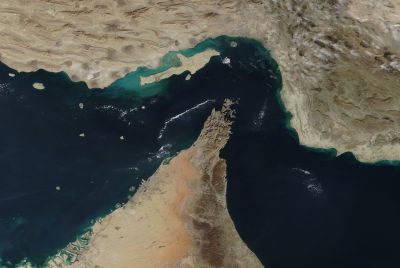
The strategic chokepoint, just 21 miles wide at its narrowest, has long been a flashpoint. Iran, which borders the northern shore, has used asymmetric tactics including speedboat swarms and threats of mining to assert influence without full legal control over the international waterway. Freedom of navigation remains guaranteed under international law, but practical enforcement relies on naval presence, primarily from the United States.
U.S. officials describe the blockade as a targeted economic pressure measure short of broader war aims, while Iran views it as aggression justifying countermeasures. Peace talks, expected in Pakistan, face an uncertain timeline, with Trump describing them as Iran's "last chance" for a comprehensive deal covering nuclear issues, regional proxies and maritime security.
Maritime security firms have issued heightened alerts, with some recommending vessels avoid the area until protocols clarify. GPS jamming and communication interference have added to navigation risks in recent weeks. Insurers have raised premiums sharply, further deterring operators from attempting transits.
The volatility has rippled through financial markets. Stock futures tumbled in some sessions as energy costs threatened corporate margins, while gold and other safe-haven assets saw mixed movements. Energy-sensitive sectors, from airlines to logistics firms, face heightened uncertainty.
For consumers, the impact varies. In countries with floating fuel prices linked closely to global benchmarks, pump increases appear quickly. Nations with heavy subsidies or price controls absorb costs through government budgets, sometimes leading to fiscal strain or black-market activity. Developing economies dependent on affordable imports feel particular pain, with higher transport costs pushing up food and goods prices.
Experts note that even brief closures amplify uncertainty. Tanker operators require clear signals on safety and liability before committing vessels on long voyages. The floating storage buildup in the Gulf, reported at over 100 million barrels in recent assessments, illustrates how disrupted flows create regional imbalances while global stocks tighten elsewhere.
Longer-term, the crisis highlights vulnerabilities in global energy infrastructure. Calls have grown for diversified supply routes, expanded pipeline capacity bypassing chokepoints and accelerated investment in renewables to reduce dependence on Middle East oil. Yet in the near term, markets remain hostage to geopolitical developments in the region.
Oil traders and analysts are watching several potential scenarios: a negotiated breakthrough allowing safe transit; continued tit-for-tat restrictions causing sporadic disruptions; or escalation that could draw in broader military involvement to clear the strait. Each carries different implications for price trajectories and economic stability.
Retail gasoline prices globally averaged $1.50 per liter in mid-April according to tracking data, but that figure masks wide disparities. Hong Kong, Norway, Denmark and the Netherlands rank among the most expensive, often exceeding $9-11 per gallon equivalent due to taxes and environmental levies. At the other end, subsidized markets in Libya, Iran and Venezuela offer petrol at fractions of the world price, though availability can fluctuate.
In the United States, regional variations persist, with some areas seeing averages climb toward $4 per gallon amid the latest spike. Diesel prices, critical for trucking and agriculture, have proven even more stubborn in responding to changes.
Governments worldwide have deployed various measures to cushion impacts. Excise cuts, strategic reserve releases, encouragement of public transport and efficiency campaigns all play roles. Yet many analysts caution that such interventions provide temporary relief while underlying supply risks linger.
As trading continued Monday, oil prices showed some intraday volatility but maintained strong gains driven by Hormuz concerns. The U.S. Energy Information Administration and other forecasters will update outlooks in coming days, incorporating the latest maritime developments.
For now, the message to motorists and businesses is one of caution. While physical deliveries may not reflect Monday's futures jump immediately, sustained elevation in benchmarks will eventually flow through to pumps. Drivers are advised to monitor local prices, use fuel comparison apps and consider efficient driving or alternative transport where feasible.
The latest surge serves as a reminder of oil's enduring role as a geopolitical barometer. With roughly 20 million barrels per day historically passing through the Strait of Hormuz, even partial restrictions carry outsized consequences for economies thousands of miles away.
Peace talks in the coming days could shift the trajectory, but until durable stability returns to the waterway, global petrol prices are likely to remain elevated and sensitive to headlines from the Persian Gulf. Consumers, industries and policymakers alike will continue watching developments closely in what has become one of the most volatile energy periods in recent years.
© Copyright 2026 IBTimes AU. All rights reserved.
- Recommended For You