Oil Prices Swing Sharply on US Strikes in Iran as Strait of Hormuz Tensions Escalate
Military actions and diplomatic efforts create uncertainty in energy markets

LONDON — Global oil benchmarks showed sharp and divergent movements Tuesday as fresh US military strikes in southern Iran reignited fears over supply disruptions through the Strait of Hormuz, even as diplomatic efforts for a potential peace deal continued in the background.
Brent crude, the international benchmark, rose 2.95% to $98.98 per barrel, reflecting renewed risk premiums tied to potential threats to shipping lanes. In contrast, West Texas Intermediate crude fell 4.29% to $92.46 per barrel, highlighting market uncertainty and differing interpretations of the latest geopolitical developments.
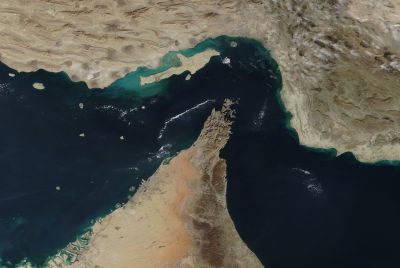
The volatility underscores how sensitive energy markets remain to events in the Middle East. The Strait of Hormuz, a narrow chokepoint through which roughly 20% of the world's petroleum supply passes, has become a focal point for investors monitoring both military actions and diplomatic signals.
Analysts said the mixed price action reflects conflicting forces: immediate concerns over possible Iranian retaliation or shipping disruptions following US strikes, tempered by hopes that ongoing negotiations could lead to de-escalation and reopening of key routes.
The US military confirmed it conducted self-defense strikes in southern Iran, injecting fresh uncertainty into already fragile energy markets. This development reversed some of the earlier optimism that had driven prices below $100 per barrel on expectations of a diplomatic breakthrough.
Market participants are closely watching developments around US-Iran peace negotiations. Optimism about a potential agreement had previously eased prices, but military friction has kept supply expectations uncertain and risk premiums elevated.
Other benchmarks reflected similar volatility. The OPEC Basket fell 1.72% to $113.44 per barrel, while Urals oil dropped 4.92% to $96.32. RBOB gasoline declined 3.39% to $3.34 per gallon, and heating oil slipped 2.66% to $3.78 per gallon.
Energy strategists noted that the divergent movements between Brent and WTI highlight regional differences in supply concerns and refining dynamics. Brent's rise points to global supply risks, while WTI's decline may reflect ample US domestic production and storage levels.
The latest flare-up comes amid broader efforts to stabilize the region. Diplomatic sources have indicated that talks between Washington and Tehran are ongoing, though progress remains fragile. Any agreement that secures safe passage through the Strait of Hormuz could significantly ease pressure on global energy prices.
Oil traders said the market is pricing in a range of scenarios, from limited military exchanges to more prolonged disruptions. The possibility of Iranian-backed groups targeting shipping has added another layer of complexity to already volatile trading conditions.
Major consumers like Europe, Asia and the United States are monitoring the situation closely. Higher energy costs could exacerbate inflation concerns and slow economic growth if the tensions persist.
The energy sector's reaction has rippled through global financial markets. Shares in major oil companies showed mixed performance, with some gaining on higher prices while others faced pressure from broader risk aversion.
Analysts warn that sustained disruption in the Strait of Hormuz could push Brent crude well above $110 per barrel. Conversely, a successful diplomatic resolution could see prices retreat quickly toward the $80-85 range.
The current volatility echoes previous periods of Middle East tension that have historically triggered sharp moves in commodity markets. However, today's energy landscape differs due to higher global spare capacity and the rapid growth of renewable energy sources, which provide some buffer against prolonged shocks.
US strategic petroleum reserves and increased domestic production have also helped moderate some of the price spikes. Nevertheless, the psychological impact of potential supply disruptions continues to influence trading decisions.
For consumers, the latest price swings may soon translate into higher costs at the pump and for heating. Airlines and shipping companies are already adjusting fuel surcharges in response to the uncertainty.
Emerging markets with high energy import dependence face particular risks. Countries in Asia and Africa could see increased pressure on budgets and inflation if oil prices remain elevated for an extended period.
The International Energy Agency and OPEC continue monitoring the situation. Both organizations have emphasized the importance of maintaining stable oil flows through critical chokepoints like the Strait of Hormuz.
Market participants expect continued volatility in the coming days as developments unfold. Diplomatic updates, military statements and shipping data will be closely watched for signals about potential supply impacts.
The current environment highlights the delicate balance between geopolitical risks and economic realities. While short-term price spikes grab headlines, longer-term trends toward energy diversification and renewable adoption may eventually reduce the world's vulnerability to such events.
For now, traders remain on edge as they assess the latest chapter in long-running tensions between the United States and Iran. The coming weeks could prove decisive in determining whether current price levels represent a temporary spike or the beginning of a more sustained period of elevated energy costs.
As markets digest the latest developments, the focus remains on the narrow waterway that carries so much of the world's oil. Any escalation or resolution there will likely set the tone for energy prices through the remainder of 2026.
The mixed movements in benchmarks today serve as a reminder of oil's enduring role as a geopolitical barometer. Even as the world transitions toward cleaner energy, events in key producing regions continue to send ripples through global economies.
© Copyright 2026 IBTimes AU. All rights reserved.
- Recommended For You