Oil Prices Plunge Below $85 as Iran Reopens Strait of Hormuz in Major Market Relief
NEW YORK — World oil prices tumbled sharply on Friday, with benchmark U.S. crude dropping more than 10 percent to settle below $84 per barrel after Iran declared the Strait of Hormuz fully open to commercial shipping during an ongoing ceasefire, easing fears of prolonged supply disruptions from the Middle East conflict.

As of early Saturday, April 18, 2026, West Texas Intermediate crude futures for May delivery had settled at approximately $82.59 per barrel on the New York Mercantile Exchange, down about 9.4 percent from Thursday's close. Brent crude, the international benchmark, fell 9.1 percent to settle at $90.38 per barrel in London trading. Both benchmarks remain elevated compared with pre-conflict levels around $70 but have retreated from peaks above $118 earlier in the quarter amid heightened tensions.
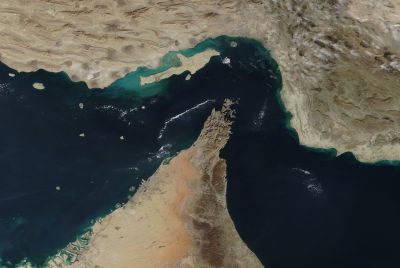
The dramatic decline followed a statement from Iran's foreign minister announcing that passage through the vital waterway — which carries roughly one-fifth of global oil shipments — is "completely open" for commercial vessels for the remainder of the ceasefire period. The announcement triggered an immediate sell-off in energy markets, with prices plunging more than 10 percent in less than two hours in some sessions. Stock markets rallied in response, with the S&P 500 surging to fresh record highs as investors bet on lower energy costs and reduced geopolitical risk.
President Donald Trump welcomed the development on Truth Social, posting a triumphant message echoing his recent communications style while noting that the U.S. naval blockade on Iranian ports would remain in effect until broader negotiations conclude. The move signaled cautious optimism that the worst of the supply crunch may be easing, though analysts warned that full normalization could take time and that prices might stay volatile.
The Strait of Hormuz had become a flashpoint after earlier threats and restrictions tied to U.S.-Iran tensions and related regional conflicts. Tanker traffic slowed dramatically in recent weeks, prompting production shut-ins estimated at 7.5 million to 9.1 million barrels per day in key Gulf nations, according to the U.S. Energy Information Administration. This disruption pushed Brent prices as high as $118 per barrel in the first quarter before partial relief measures and diplomatic efforts began to stabilize flows.
Friday's plunge brought oil back toward levels seen in the early stages of the conflict, relieving pressure on consumers, airlines and manufacturers but raising concerns among producers and oil-dependent economies. Gasoline prices, which had climbed toward $4.30 per gallon in some forecasts for April, are expected to moderate in coming weeks, providing potential relief at the pump for American drivers heading into summer travel season.
Market analysts attributed the sharp drop to a classic risk-off reaction. "The physical market had priced in significant shortages, but the announcement removed a major uncertainty premium overnight," said one energy trader who spoke on condition of anonymity. Futures markets had shown contango in recent months, with near-term contracts trading at premiums reflecting immediate supply fears, while longer-dated contracts pointed to eventual normalization.
The U.S. Energy Information Administration's latest short-term outlook, released earlier in April, had projected Brent averaging $103 per barrel in March and potentially peaking near $115 in the second quarter before easing later in 2026. Those forecasts assumed gradual resumption of Hormuz traffic and declining production shut-ins. With the latest developments, some private forecasters now see a faster path back toward the $70s or low $80s if the ceasefire holds and full shipping resumes.
Still, caution persists. The ceasefire between involved parties, including elements tied to Israel, Lebanon and broader U.S.-Iran dynamics, remains fragile with an expiration date approaching in coming days. Trump administration officials emphasized that while commercial traffic can flow, targeted measures against Iran would continue until a "transaction" or deal is finalized. Any breakdown could quickly reverse Friday's gains and send prices spiking again.
Global demand factors also influence the outlook. Steady economic growth in Asia, particularly China and India as major importers, continues to support underlying consumption even as high prices earlier in the year curbed some industrial activity. OPEC and allied producers have managed output amid the disruptions, but prolonged shut-ins have strained inventories in consuming nations.
In the United States, domestic production remains robust thanks to shale output, helping cushion the impact compared with more import-dependent regions. WTI traded at a discount to Brent in recent sessions, with the spread widening at times due to higher shipping costs and logistical challenges for Middle Eastern crude reaching global markets.
Retail impacts are already visible. Diesel prices, particularly sensitive to supply tightness, had surged in recent weeks, affecting trucking and agriculture. Analysts expect some relief here as well, though full pass-through to consumers typically lags crude movements by several weeks.
Broader economic implications extend beyond energy. Lower oil prices could help tame inflation pressures that had ticked higher in March readings, potentially giving central banks more room to maneuver on interest rates. The Federal Reserve and other policymakers have watched energy volatility closely, as sustained high prices risk feeding into core inflation through transportation and manufacturing costs.
On the corporate side, major oil companies saw stock declines Friday despite the earlier run-up, as investors weighed the balance between short-term price relief and longer-term uncertainty. Integrated majors with downstream refining operations may benefit from lower input costs, while pure upstream producers face margin compression.
Looking ahead, the market will monitor several key variables: adherence to the ceasefire, actual tanker traffic data through the Strait of Hormuz, weekly U.S. inventory reports from the EIA, and any new diplomatic statements from Washington or Tehran. OPEC's next monthly oil market report, due soon, will provide updated production and demand assessments that could further shape sentiment.
For now, the relief rally in equities and drop in oil underscore how quickly geopolitical headlines can swing commodity markets. From peaks near $120 in heightened tension periods to Friday's plunge, the volatility highlights oil's role as both an economic barometer and a geopolitical barometer.
Consumers may welcome the prospect of cheaper fuel, but energy experts caution against assuming a swift return to pre-crisis levels. Storage levels, alternative routing costs for tankers, and lingering risk premiums mean prices could stabilize in the $80-$90 range in the near term even with open shipping lanes.
Saturday trading was expected to be thin, with many markets closed for the weekend, but Asian sessions on Monday will provide the next test of whether Friday's momentum holds. Currency movements, particularly a stronger dollar, could also influence commodity pricing in the days ahead.
The episode serves as a reminder of the Strait of Hormuz's outsized importance to global energy security. Even brief disruptions there ripple through economies worldwide, affecting everything from airline tickets to grocery prices.
As the situation evolves, traders, policymakers and everyday consumers will continue watching closely. For April 18, 2026, the dominant story remains one of sudden relief: world oil prices have fallen sharply on hopes that the worst of the Hormuz crisis is easing, though the path to full stability remains uncertain.
© Copyright 2026 IBTimes AU. All rights reserved.
- Recommended For You