World Oil Price Today: Brent Crude Drops Below $96 as Iran Strait Reopening Eases Supply Fears
NEW YORK — World oil prices fell sharply Friday as reports of the Strait of Hormuz reopening and optimism over U.S.-Iran diplomatic progress eased fears of prolonged supply disruptions from the Middle East conflict. Brent crude, the global benchmark, traded around $95 to $96 per barrel in early trading, down more than 3 percent from the previous session, while West Texas Intermediate crude hovered near $90 per barrel.

As of mid-morning Eastern Time on April 17, 2026, Brent crude futures for June delivery stood at approximately $95.14 per barrel, reflecting a decline of about 4 percent in the session amid shifting market sentiment. WTI crude for May delivery traded near $90.83, also posting notable losses. The drop reversed some of the sharp gains seen earlier in the week when U.S. naval enforcement of a blockade on Iranian ports tightened flows through the critical waterway.
The price movement followed President Donald Trump's announcement that Iran had declared the strait fully open for unrestricted passage. Shipping data showed an immediate increase in tanker activity, though analysts cautioned that restoring pre-crisis volumes — historically around 20 million barrels per day — would take time due to elevated insurance costs and logistical backlogs. The International Energy Agency estimated that flows had fallen to as low as 3.8 million barrels daily at the peak of disruptions.
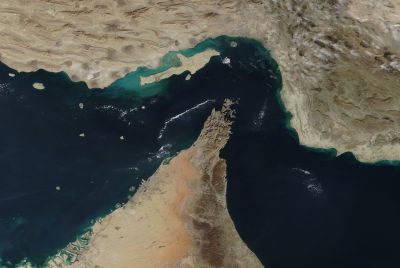
The Strait of Hormuz, a narrow chokepoint between Iran and Oman, carries roughly one-fifth of the world's seaborne crude oil. Disruptions triggered by the U.S.-Iran conflict that intensified in late February sent prices surging above $110 per barrel in March before easing somewhat with fragile ceasefires. Recent U.S. pressure, including the port blockade, had kept a risk premium in the market even as some tankers continued limited transits.
Market participants reacted positively to signs of de-escalation. Trump described new Iranian leadership as "much less radicalized," suggesting potential for a more stable ceasefire. Chinese officials, representing the largest buyer of Iranian oil, welcomed the reopening while calling for broader dialogue. European leaders expressed relief at the prospect of stabilizing energy costs amid ongoing global economic pressures.
Despite the decline, prices remain elevated compared with early 2025 levels. Brent has risen about 36 to 45 percent year-over-year, depending on exact timing, reflecting the cumulative impact of geopolitical risks and tighter physical supply. The U.S. Energy Information Administration's latest Short-Term Energy Outlook projects Brent averaging around $96 per barrel in the second quarter before potentially moderating later in the year if disruptions subside.
Analysts attributed Friday's sell-off to profit-taking after recent volatility and reduced immediate supply threat perceptions. However, underlying concerns persist. Physical supply remains constrained in the short term, with spot prices for certain cargoes still commanding premiums over futures. Shadow fleet operators and alternative routing have provided partial relief, but full normalization depends on sustained safe navigation and diplomatic progress.
The conflict's broader effects have rippled through global markets. Elevated oil prices have contributed to inflationary pressures in import-dependent economies, particularly in Asia and Europe. Refinery margins have fluctuated as buyers scrambled for non-Gulf supplies from Russia, the United States, Brazil and others. China has drawn on strategic reserves and increased coal usage for power generation to mitigate impacts.
U.S. domestic production has helped cushion some effects for American consumers, with strong inventories and potential Strategic Petroleum Reserve releases limiting WTI gains relative to Brent. The Brent-WTI spread widened significantly during the height of Hormuz tensions due to higher shipping and risk costs for international barrels.
Looking ahead, several factors will influence price direction. Sustained reopening of the strait could lead to further downside if tanker traffic normalizes quickly. Conversely, any renewed restrictions or breakdowns in ceasefire talks could quickly reignite upward pressure. OPEC+ production decisions, global demand growth from emerging economies, and macroeconomic indicators such as interest rates and GDP figures will also play key roles.
The International Monetary Fund has warned that prolonged energy disruptions could tip vulnerable economies toward slower growth or higher inflation. Developing nations reliant on imported fuel face particular challenges as higher costs filter through to transportation, food production and manufacturing.
In the United States, gasoline prices at the pump have risen in response to crude benchmarks, though regional variations exist due to refining capacity and local taxes. Truckers and airlines have passed on some costs, contributing to broader price pressures felt by households.
Energy traders noted increased volatility in options markets, with implied volatility remaining elevated despite Friday's drop. Speculative positioning has swung between bullish bets on supply risks and bearish views tied to potential resolution.
Longer-term forecasts suggest prices could moderate into 2027 if geopolitical stability returns and non-OPEC supply growth continues. However, structural shifts toward renewables and electric vehicles may cap demand growth over time, even as short-term disruptions dominate headlines.
For now, the market appears to be pricing in cautious optimism around the Hormuz developments. Oil ministers from Gulf producers have expressed confidence in their ability to ramp up output once safe passage is assured, though spare capacity constraints limit immediate responses.
The episode highlights the persistent vulnerability of global energy markets to events in the Middle East. Even brief interruptions through key chokepoints can send shockwaves worldwide, underscoring the importance of diversified supply sources and strategic stockpiles.
As trading continues Friday, participants will monitor official statements from Tehran and Washington for confirmation of the reopening's durability. Shipping trackers and satellite data on tanker movements will provide real-time indicators of actual flows.
While prices have eased from recent peaks near $110-$119, they remain well above pre-conflict averages. Consumers and businesses hoping for significant relief may need to wait for more concrete evidence of sustained stability in the region.
The coming weeks will test whether diplomatic gains translate into reliable energy security or if underlying tensions keep a floor under oil prices. For now, Friday's decline offers a temporary breather after weeks of heightened volatility driven by the Iran conflict and Hormuz uncertainties.
© Copyright 2026 IBTimes AU. All rights reserved.
- Recommended For You