Trump Rejects Iran Peace Offer as 'Totally Unacceptable,' Sending Oil Prices Surging Past $103

DUBAI, United Arab Emirates — Oil prices jumped sharply Monday after President Donald Trump dismissed Iran's response to a U.S. peace proposal as "TOTALLY UNACCEPTABLE," raising fears that the 10-week-old conflict will drag on and keep the Strait of Hormuz largely paralyzed for shipping.
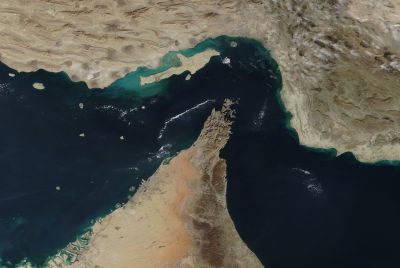
Brent crude futures climbed as much as 4% in early trading before settling around 2-2.7% higher near $103–$104 per barrel. West Texas Intermediate crude rose similarly, trading near $98 per barrel. The surge comes as the strategic waterway — which normally carries about one-fifth of global oil and LNG — remains severely restricted, driving energy markets into a state of heightened volatility.
Trump's blunt rejection, posted on Truth Social shortly after receiving Iran's counterproposal via intermediaries, left little room for immediate diplomatic progress. "I have just read the response from Iran's so-called 'Representatives.' I don't like it — TOTALLY UNACCEPTABLE!" he wrote, without elaborating on specific objections.
Deadlock prolongs energy crisis
The swift dismissal dashed hopes for a quick resolution to the conflict that began in late February. Iran had proposed terms that included guarantees against future attacks and steps toward sanctions relief, but U.S. officials viewed them as insufficient, particularly regarding nuclear enrichment and free transit through the Strait of Hormuz.
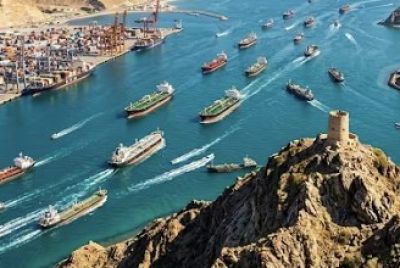
The waterway remains a central flashpoint. With shipping largely stalled, hundreds of tankers have been rerouted or left waiting, causing significant delays and skyrocketing insurance costs. Three more tankers reportedly exited the strait with trackers switched off in recent days, adding to supply uncertainty.
Energy analysts warn that prolonged disruption could push Brent crude toward $110–$120 per barrel if no breakthrough occurs soon. Before the war, prices hovered around $70. The current levels are already contributing to inflationary pressures globally and straining economies heavily reliant on imported energy.
Market and economic ripple effects
The oil spike weighed on broader financial markets. While major U.S. stock indexes hovered near records with mixed performance, energy stocks gained ground. Airlines, shipping companies and consumer discretionary sectors faced headwinds from higher fuel costs.
Globally, Asian and European markets showed caution. Import-dependent nations in Europe and Asia are particularly exposed, with some governments already exploring strategic reserve releases or alternative suppliers. The International Energy Agency continues monitoring the situation closely.
Diplomatic stalemate
U.S. officials had pushed for restoration of free navigation through the strait and suspension of Iranian nuclear activities as core elements of any deal. Iran's counteroffer reportedly fell short on key security assurances, prompting Trump's strong response. Pakistani mediators and other back channels remain active, but momentum has clearly stalled.
Iran has vowed to continue resisting what it calls foreign interference, while maintaining that any agreement must respect its sovereignty. The deadlock leaves both sides in an uneasy limbo, with sporadic clashes continuing in the region.
Impact on global energy security
The crisis highlights the world's continued vulnerability to disruptions in the Strait of Hormuz. Even partial closures have dramatic effects on supply chains, pricing and inflation. Alternative routes are limited and more expensive, while new pipeline and LNG infrastructure cannot quickly compensate for lost volumes.
U.S. domestic production provides some buffer, but global markets remain tightly linked. Higher prices are already filtering through to gasoline, heating oil and consumer goods, potentially complicating central bank efforts to manage inflation.
What comes next
Markets will watch closely for any further statements from Trump or Iranian officials. Additional U.S. naval operations in the region or new sanctions could intensify pressure, while any credible breakthrough in talks might ease prices rapidly. For now, traders are bracing for continued volatility.
The episode underscores how geopolitical flashpoints can swiftly override economic fundamentals. As summer driving season approaches in the Northern Hemisphere and global demand remains robust, the risk of sustained higher energy costs looms large.
Oil's surge following Trump's rejection serves as a stark reminder of the fragile balance in global energy markets — where a single social media post can move prices by billions of dollars and reshape economic outlooks worldwide. The coming days will be critical in determining whether diplomacy can regain momentum or if further escalation drives costs even higher.
© Copyright 2026 IBTimes AU. All rights reserved.
- Recommended For You