Israel-Hezbollah Clashes Intensify in Southern Lebanon: Could Iran War Reignite Amid Fragile Ceasefire?
BEIRUT — Intense fighting between Israeli forces and Hezbollah militants erupted again in southern Lebanon on Monday, with rocket barrages, drone strikes and ground operations raising fears that the fragile regional ceasefire could collapse and draw Iran back into direct confrontation.
Israeli troops conducted raids and airstrikes in areas including Bint Jbeil, described by the Israeli military as a key Hezbollah stronghold, while Hezbollah fired rockets and kamikaze drones toward northern Israel, triggering sirens across the Galilee and damaging sites including a historic church in Nahariya. At least 10 people, including emergency workers, were reported killed in recent Israeli strikes on southern Lebanon, according to Lebanese health authorities.
The escalation comes days after a large-scale Israeli operation dubbed "Operation Eternal Darkness" on April 8, which targeted Hezbollah command centers, missile infrastructure and Radwan Force positions across Lebanon. Israel said the strikes hit over 100 targets in minutes, killing at least 180 militants and 357 people overall in that wave alone. Hezbollah responded with missile attacks on northern Israel, violating what it claimed was a broader ceasefire tied to the U.S.-Iran agreement.
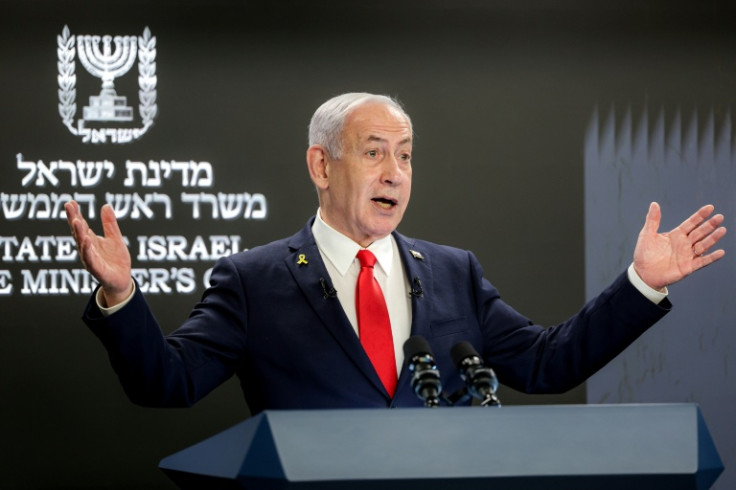
Israeli officials insist the U.S.-Iran ceasefire does not cover Lebanon and that operations against Hezbollah will continue until the group is disarmed or its threat neutralized. Prime Minister Benjamin Netanyahu has rejected immediate ceasefire talks with Hezbollah, calling the Iran-backed group the main obstacle to peace. Israel has signaled it may target Lebanese infrastructure if the Beirut government fails to rein in the militants.
Hezbollah, for its part, vows to defend Lebanon and respond to what it calls Israeli aggression. The group claimed responsibility for recent rocket and drone attacks, including a swarm targeting the Zar'it barracks and strikes near Karmiel. Hezbollah says it is acting in solidarity with Iran and to protect southern villages after Israeli forces expanded operations beyond the border.
The fighting has displaced hundreds of thousands in Lebanon and created fresh humanitarian strain. Over one million people have been affected since renewed hostilities began in early March, following Hezbollah's initial rocket fire in support of Iran during the U.S.-Israeli campaign against Tehran. Sectarian tensions within Lebanon have also risen, with Shiite areas bearing the brunt of strikes while some Christian neighborhoods remain relatively untouched.
U.S.-brokered talks between Israel and Lebanon are scheduled to begin soon, potentially as early as this week in Washington, focusing on disarmament of Hezbollah and security guarantees along the border. Lebanon's foreign minister has expressed hope that direct negotiations could separate the Lebanese track from Iranian influence. However, Israel has made clear it will not discuss a ceasefire with Hezbollah itself while attacks continue.
Pope Leo XIV on Sunday called for an immediate ceasefire, urging all parties to respect international law and protect civilians. His appeal came as ground clashes and artillery exchanges persisted despite diplomatic efforts.
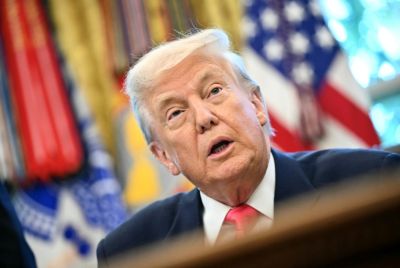
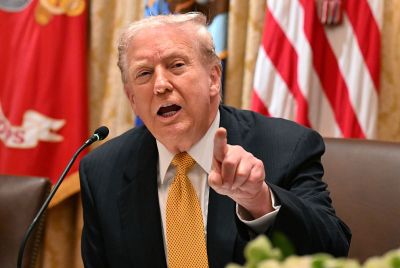
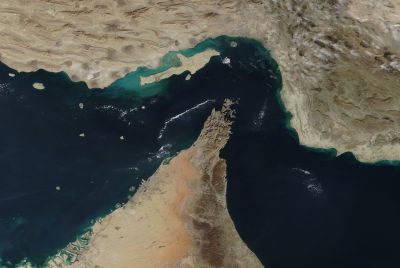
The broader context ties directly to the fragile U.S.-Iran ceasefire announced earlier in April. Peace talks in Islamabad collapsed over the weekend without agreement, prompting President Donald Trump to order a U.S. Navy blockade of the Strait of Hormuz. Iran has warned of retaliation, including possible mobilization of proxies such as Hezbollah and the Houthis. Tehran insists any pause in hostilities must include an end to Israeli actions in Lebanon.
Analysts warn that sustained Israel-Hezbollah fighting could unravel the wider regional pause and reopen the door to direct Iranian involvement. Hezbollah has launched more than 1,500 attacks since early March, according to some tallies, demonstrating resilience despite heavy losses. Israel claims to have killed over 1,400 Hezbollah fighters and destroyed thousands of rocket launchers and weapons caches.
Ground operations in southern Lebanon have intensified, with Israeli commando units conducting targeted raids, including one on a hospital allegedly used by Hezbollah militants. The IDF reported eliminating operatives and seizing weapons, while Lebanese sources accused Israel of endangering civilian infrastructure.
Civilian casualties and infrastructure damage have drawn international criticism. Lebanon's government has accused Israel of massacres in some strikes, while Israel maintains it targets only military assets and accuses Hezbollah of embedding among civilians and using hospitals and ambulances for military purposes.
The conflict has also affected northern Israel, where residents near the border face repeated rocket fire and drone threats. Some communities that returned after earlier displacements now vow to stay despite the danger, criticizing the government for not providing adequate security.
Diplomatic efforts continue amid the violence. U.S. officials are pushing for a framework that would see Hezbollah pushed north of the Litani River, with Lebanese army deployment and international guarantees. Hezbollah rejects disarmament demands, viewing its arsenal as essential for resistance against Israel.
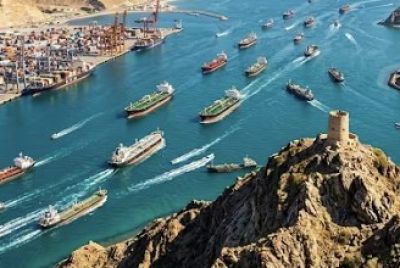
As clashes rage, oil markets and global shipping remain on edge due to parallel tensions in the Strait of Hormuz. Any major escalation involving Iran could send energy prices soaring and disrupt trade routes.
For now, the situation on the Israel-Lebanon border remains highly volatile. Israeli forces continue precision strikes and ground maneuvers to degrade Hezbollah capabilities, while the militant group maintains rocket and drone pressure on northern Israel. Talks between Israel and Lebanon offer a potential off-ramp, but mutual distrust and ongoing attacks make progress uncertain.
Whether this flare-up represents the final phase of Israel's campaign to neutralize the Hezbollah threat or the spark that reignites wider war with Iran remains to be seen. Civilians on both sides of the border bear the heaviest burden as diplomacy struggles to keep pace with events on the ground.
International observers, including the United Nations, have called for restraint and de-escalation to prevent further humanitarian catastrophe in an already fragile region.
© Copyright 2026 IBTimes AU. All rights reserved.
- Recommended For You