Trump Announces Immediate U.S. Navy Blockade of Strait of Hormuz After Failed Iran Talks

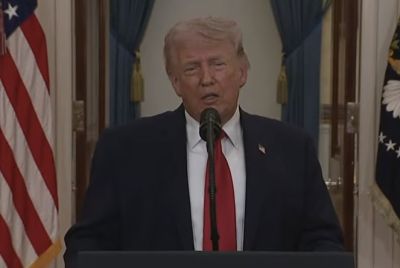
WASHINGTON — President Donald Trump declared Sunday that the United States Navy will begin blockading ships entering or leaving the Strait of Hormuz "effective immediately," escalating tensions with Iran after marathon peace negotiations in Pakistan collapsed without agreement on Tehran's nuclear program.
In a detailed Truth Social post, Trump accused Iran of "world extortion" for restricting traffic through the critical waterway and failing to honor commitments to reopen it fully. He stated that the Navy, "the Finest in the World," would interdict vessels and eventually clear Iranian-laid mines while targeting any ships that paid tolls to Iran. "No one who pays an illegal toll will have safe passage on the high seas," he wrote. Trump warned that any Iranian forces firing on U.S. or peaceful vessels would be "BLOWN TO HELL!"
The announcement came hours after Vice President JD Vance, who led the U.S. delegation in Islamabad, confirmed the talks ended without a deal. Iran rejected core U.S. demands for verifiable dismantling of its nuclear capabilities and unconditional reopening of the strait. Iranian officials countered that Washington's positions were unrealistic and accused the U.S. of bad faith.
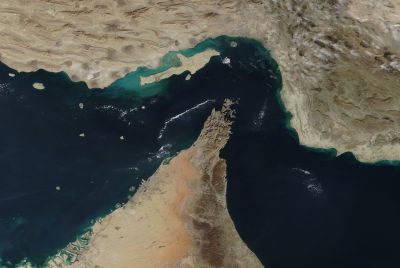
The Strait of Hormuz, a narrow chokepoint between Iran and Oman, carries about one-fifth of global oil and liquefied natural gas trade under normal conditions. Traffic has been severely disrupted since U.S.-Israeli strikes on Iran earlier in 2026 led to Iranian mining and attacks on shipping. A fragile ceasefire had briefly raised hopes, but the failed talks and new blockade order have dashed those prospects and sent oil prices surging.
Trump's post emphasized that the blockade aims to stop extortion while eventually restoring free navigation. "At some point, we will reach an 'ALL BEING ALLOWED TO GO IN, ALL BEING ALLOWED TO GO OUT' basis," he wrote, but accused Iran of using vague mine threats to maintain control. He also referenced prior deadlines Iran allegedly ignored.
The move triggered immediate market turmoil. Dow Jones Industrial Average futures dropped as much as 500 points in overnight trading, while Brent crude futures climbed above $102 per barrel. Energy analysts warned of potential spikes to $110 or higher if disruptions persist, with secondary effects on global inflation and supply chains. China, the world's top oil importer, urged restraint, as a large share of its energy imports passes through the strait.
Pentagon officials confirmed that naval assets in the region are preparing to enforce the blockade, though implementation details remain classified. U.S. Central Command indicated operations would focus on Iranian ports and vessels linked to toll payments while seeking to minimize broader interference with international shipping.
The announcement adds to a series of aggressive Trump statements on the Iran conflict. Earlier posts threatened strikes on power plants and bridges, and Trump has repeatedly highlighted U.S. energy independence as a buffer against disruptions. "We don't need the Hormuz Strait. We have so much oil," he has said in related comments.
Iran responded defiantly. Parliament Speaker Mohammad Bagher Ghalibaf said Tehran would "not bow to any threats," while a navy commander dismissed the blockade plan as "ridiculous." Iranian state media portrayed the U.S. action as piracy and vowed to defend national interests.
The development coincides with Trump's separate public criticism of Pope Leo XIV, whom he called "WEAK on Crime, and terrible for Foreign Policy" in another Truth Social post. Trump suggested the pontiff's peace appeals effectively tolerated Iran acquiring nuclear weapons, saying, "We don't like a pope who says it's OK to have a nuclear weapon." The pope had condemned the conflict as driven by a "delusion of omnipotence" and called for an end to violence.
International reaction was swift and largely cautious. European Union officials called for de-escalation to protect energy security, while several NATO allies engaged in quiet diplomacy to prevent miscalculation. Russia and China amplified calls for restraint, with Beijing warning against unilateral actions that could destabilize global markets.
Legal experts noted that a full blockade raises questions under international maritime law, which protects freedom of navigation in straits used for international transit. The U.S. frames its actions as self-defense and responses to Iranian aggression, including mining and toll demands.
On Wall Street, energy stocks gained while airlines, transportation companies and consumer discretionary shares faced pressure. Economists estimated that prolonged closure or blockade could shave 0.5 to 1 percentage point from global GDP growth if oil prices remain elevated above $100 for weeks.
The Hormuz crisis stems from months of escalating conflict. U.S. and Israeli operations targeted Iranian nuclear and military sites, prompting Iranian retaliation that effectively shut down commercial shipping. Rescue missions for downed U.S. aircrew and high-stakes diplomacy in Pakistan failed to produce a breakthrough on the nuclear issue, which Trump has called non-negotiable.
Trump's Truth Social activity has become a primary channel for policy announcements during the crisis. The platform, which he owns, allows unfiltered communication that often moves markets and shapes headlines. Sunday's blockade declaration followed a pattern of blending threats, deadlines and boasts about U.S. military superiority.
For the American public, the stakes include higher gasoline prices and potential ripple effects on the economy. Despite U.S. energy exports, analysts say indirect impacts on allies and global growth could still affect domestic inflation and consumer confidence.
As the blockade begins, shipping firms have rerouted vessels around Africa at significant extra cost and time. Dozens of tankers sit idle, waiting for clarity. Insurance rates for Gulf transits have skyrocketed.
Trump administration officials insist the goal remains peace through strength. They point to what they call exceeded military objectives and progress on a broader Middle East deal as reasons for measured optimism, even as the naval operation unfolds.
Critics, including some congressional Democrats, warned that the blockade risks wider war and could draw in other powers. They called for renewed diplomacy and congressional oversight.
As of early Monday, April 13, 2026, the situation remains fluid. Naval movements are underway, markets are volatile, and diplomats continue back-channel efforts. Whether the blockade pressures Iran into concessions or sparks further confrontation will likely define the coming days.
Trump's latest post underscores his approach: direct, uncompromising and delivered straight to the public via social media. In a conflict already reshaping energy markets and global alliances, the president's words have once again become a catalyst for dramatic developments.
© Copyright 2026 IBTimes AU. All rights reserved.
- Recommended For You