Trump Orders Hormuz Blockade After Iran Talks Collapse: U.S. Navy to Halt Ships Paying Tehran Tolls
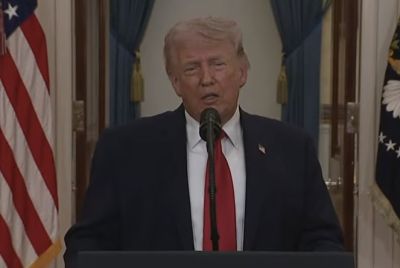
WASHINGTON — President Donald Trump announced Sunday that the U.S. Navy will immediately begin blockading the Strait of Hormuz after marathon peace talks with Iran in Islamabad ended without a deal, escalating tensions in a conflict that has already disrupted nearly one-fifth of global oil supplies for more than six weeks.

In a series of Truth Social posts and a Fox News interview, Trump declared the blockade "effective immediately," instructing U.S. forces to prevent any ships from entering or leaving the critical waterway and to interdict vessels in international waters that paid tolls to Iran. He accused Tehran of "world extortion" and warned that the U.S. military is "locked and loaded" and prepared to "finish up the little that is left of Iran" at an appropriate moment.
The announcement came hours after Vice President JD Vance, who led the U.S. delegation, confirmed that 21 hours of face-to-face negotiations with Iranian officials produced no agreement and no scheduled follow-up sessions. Pakistani mediators urged both sides to preserve the fragile two-week ceasefire that began April 8, but disagreements over Iran's nuclear program, regional proxies and control of the strait appear to have deadlocked the talks.
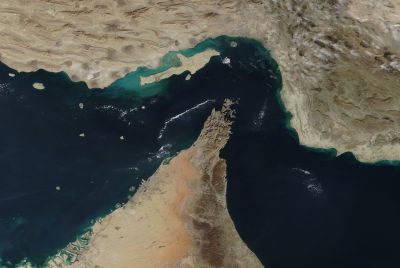
The Strait of Hormuz, a narrow chokepoint between Iran and Oman, normally carries about 20% of the world's seaborne crude oil and significant liquefied natural gas. Iran effectively restricted most commercial traffic after U.S. and Israeli strikes began in late February, laying naval mines and warning of attacks on unauthorized vessels. Ship-tracking data shows traffic at well below 10% of normal levels, with hundreds of tankers stranded inside the Persian Gulf and only a handful of mostly Iran-linked ships transiting daily.
Trump's blockade threat adds a new layer of complexity to an already paralyzed waterway. U.S. Central Command reported that two Navy guided-missile destroyers recently transited the strait as part of mine-clearing efforts, though Iran claimed the vessels retreated after warnings. Pentagon officials have said Iran may have lost track of some mines laid haphazardly during the fighting, raising safety risks even for limited traffic.
International reaction was swift and largely critical. Analysts described the move as potentially illegal under international law and warned it could trigger a wider regional war or severe economic shock. Oil prices, which eased slightly on initial ceasefire news, climbed again amid fears of prolonged disruption. Asian importers such as China, Japan and South Korea — heavily dependent on Gulf energy — face higher costs and possible shortages.
Iran responded sharply, with officials calling the crisis a "self-made problem" for the United States and asserting that no one can "close a closed strait." Tehran has maintained that passage is possible only under its military coordination and, in some reports, with payment of transit fees that Trump labeled extortion. Iranian media suggested any U.S. blockade would worsen global disruptions without resolving underlying issues.
The conflict erupted in late February when U.S. and Israeli forces launched strikes targeting Iranian nuclear sites, missile facilities and military infrastructure. Iran retaliated by restricting the strait and launching attacks on regional targets. A fragile ceasefire took hold earlier this month after Trump set a deadline tied to reopening the waterway, but ongoing Israeli actions in Lebanon and disputes over sanctions relief and nuclear dismantlement have strained the pause.
U.S. officials claim the earlier strikes severely degraded Iran's capabilities, destroying much of its navy, missile production and air defenses. Iran insists it retains the ability to defend its territorial waters and influence shipping through asymmetric means, including fast boats and coastal defenses.
Global shipping companies remain cautious. Major carriers have rerouted vessels or kept them idling, citing skyrocketing war-risk insurance and unresolved mine threats. Environmental groups raised concerns about potential spills or drifting mines affecting fishing grounds and coastal ecosystems in Oman and the United Arab Emirates.
In Congress, reactions split along partisan lines. Some Republicans supported strong action to counter Iranian aggression, while Democrats questioned whether the president has sufficient authorization for a blockade without congressional approval. Sen. Mark Warner, ranking Democrat on the Senate Intelligence Committee, said he would review any supplemental funding request for the conflict but emphasized the need for clear legal grounding.
Maritime experts note that implementing a full blockade would require significant naval resources and coordination with allies, many of whom have urged de-escalation. Former officials, including some who served in previous administrations, called the move risky but potentially necessary to reassert freedom of navigation if Iran continues restricting traffic.
As of Sunday evening, no immediate naval movements confirming the start of a physical blockade were reported beyond existing U.S. presence in the region. Trump indicated in his Fox interview that full implementation would take "a little while," suggesting a phased approach focused first on intercepting toll-paying vessels.
The collapse of talks in Islamabad leaves the two-week ceasefire on shaky ground, with its expiration approaching on April 22. Neither side outlined next steps, though Pakistani officials expressed hope that back-channel diplomacy could resume.
For global markets and energy security, the stakes are enormous. A prolonged closure or active blockade of the strait could push oil prices well above $100 per barrel and disrupt fertilizer and chemical shipments critical for agriculture. Alternative routes around Africa add time and cost, straining supply chains already under pressure.
The situation also tests alliances. Gulf states, caught between Iran and the U.S., have called for unconditional reopening to stabilize energy markets. European and Asian governments have quietly urged restraint while preparing contingency plans for energy shortfalls.
Trump's announcement underscores his administration's hard-line stance: the strait must open fully and safely without Iran profiting or imposing conditions. Iran, meanwhile, views the waterway as sovereign territory where it can enforce security and seek compensation for damages from the conflict.
As night fell in the region, shipping data showed continued minimal activity. Live trackers indicated sparse movements, mostly outbound Iranian vessels, with commercial operators holding position outside the area.
The coming days will test whether Trump's blockade threat prompts Iran to ease restrictions or leads to further confrontation. U.S. forces in the Gulf remain on high alert, while diplomatic channels through third parties like Pakistan and Oman may offer the only path back from escalation.
For now, the world's most vital energy artery remains a flashpoint where military posturing, economic pressure and failed negotiations collide, with global consequences hanging in the balance.
© Copyright 2026 IBTimes AU. All rights reserved.
- Recommended For You