North Korea Fires Missiles After Mocking South as 'World-Startling Fools' in Fresh Escalation
SEOUL, South Korea — North Korea fired several short-range ballistic missiles into the sea Wednesday in its second launch in two days, South Korea's military said, hours after a senior Pyongyang official derided Seoul as "world-startling fools" for clinging to hopes of improved ties with the nuclear-armed neighbor.
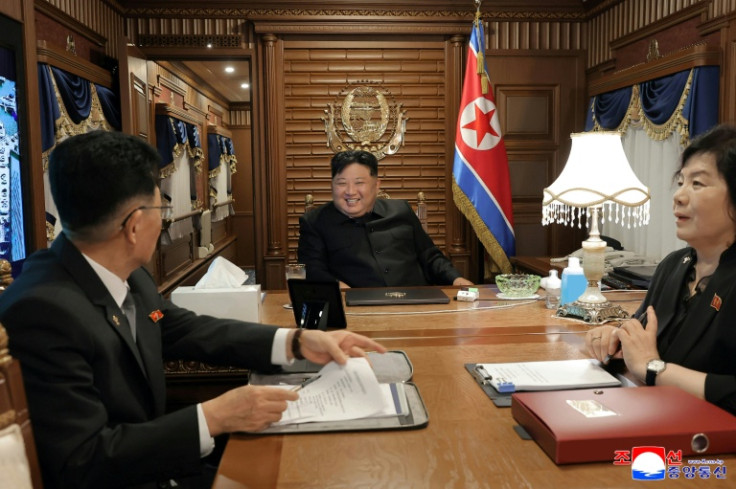
The back-to-back provocations underscore Pyongyang's deepening hostility toward South Korea's liberal government under President Lee Jae-myung and its rejection of any diplomatic thaw, even after a brief positive signal from Kim Jong Un's influential sister.
South Korea's Joint Chiefs of Staff detected the latest firings from the Wonsan area on the east coast toward the Sea of Japan (also known as the East Sea) early Wednesday. The missiles were short-range ballistic types, though details on the exact number, flight distance and whether they were part of a larger barrage remained limited as analysis continued. No immediate damage or unusual activity was reported in Japanese or South Korean waters.
The launches followed Tuesday's detection of an unidentified projectile from the North's capital region, marking a rapid sequence that has rattled nerves in Seoul and Washington just months into Lee's presidency.
Pyongyang's Verbal Barrage
The verbal attack came from North Korea's First Vice Minister of Foreign Affairs, who lambasted South Korean officials for what he called wishful thinking over a recent statement by Kim Yo-jong. Kim, the powerful sister of leader Kim Jong Un, had earlier described President Lee's expression of regret over South Korean drones that crossed into Northern airspace as "wise."
Instead of building on that rare mild comment, the vice minister unleashed a torrent of insults, branding Seoul "world-startling fools" engaged in "pipe dreams" about better relations. He reaffirmed that South Korea remains Pyongyang's "most hostile enemy" whose "true colors" have not changed, dashing any fleeting optimism in Seoul for dialogue.
Analysts said the crude language fits a familiar North Korean pattern: using a mix of carrots and sticks to keep adversaries off balance while advancing its weapons programs and demanding concessions.
"Pyongyang is sending a clear message that it has zero interest in engagement on Seoul's terms," said a Seoul-based North Korea watcher who requested anonymity to speak freely. "The missiles are the exclamation point after the insults."
Context of Rising Tensions
The incidents come amid broader strains on the Korean Peninsula. South Korea and the United States have maintained joint military drills that North Korea routinely condemns as invasion rehearsals. Pyongyang has accelerated its missile and nuclear development in recent years, conducting multiple tests of short-range ballistic missiles, cruise missiles and even nuclear-capable rocket systems earlier in 2026.
Wednesday's firings were the latest in a series that included a March barrage of about 10 ballistic missiles from the Sunan area, which flew roughly 350 kilometers before splashing down in the eastern waters. North Korean state media often frames such tests as routine drills to bolster defense capabilities, but they frequently coincide with political messaging aimed at Seoul and Washington.
President Lee Jae-myung, who took office promising a more pragmatic approach to the North while strengthening alliances, has faced criticism from conservatives for perceived softness. His administration expressed "deep regret" over the drone incursion that prompted Kim Yo-jong's initial comment, a move some analysts viewed as an olive branch that Pyongyang quickly slapped away.
South Korea's military vowed a "stern" response in coordination with the U.S., though officials stopped short of announcing immediate retaliatory actions. The presidential office in Seoul called the launches "unacceptable provocations" that threaten regional stability.
U.S. officials monitoring the situation from Washington and Indo-Pacific commands expressed concern but emphasized continued commitment to the defense of South Korea. The Biden administration's successor has maintained strong trilateral cooperation with Seoul and Tokyo amid shared worries over North Korea's advancing arsenal.
Global and Regional Ripple Effects
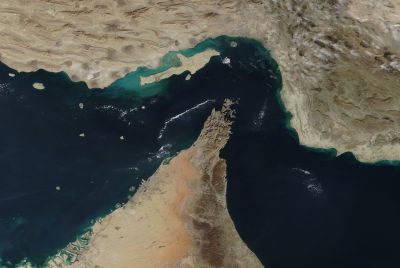
The latest provocations come as the international community grapples with multiple flashpoints, from the fragile situation in the Strait of Hormuz to ongoing conflicts elsewhere. For Northeast Asia, North Korea's actions raise fresh questions about deterrence and the effectiveness of sanctions, which Pyongyang has largely circumvented through increased trade with Russia and other partners.
Japan, which has repeatedly protested North Korean missile activity over its territory or exclusive economic zone, closely tracked the launches. Tokyo has bolstered its missile defenses and joined trilateral exercises with Seoul and Washington.
China, North Korea's main economic backer and diplomatic protector, has urged calm while avoiding direct criticism of its neighbor. Beijing's foreign ministry called for all parties to exercise restraint and resume dialogue, a standard response that carries little weight in Pyongyang.
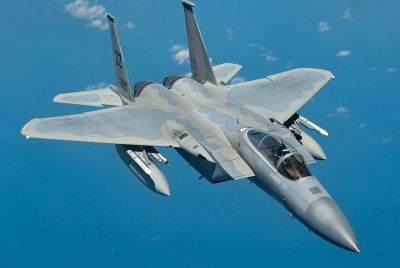
Experts warn that the cycle of insults and missile tests risks miscalculation. Short-range ballistic missiles like those fired Wednesday can carry conventional or nuclear warheads and are designed to overwhelm South Korean and U.S. defenses in a conflict scenario. North Korea's arsenal now includes hypersonic glide vehicles, submarine-launched systems and increasingly sophisticated solid-fuel rockets that reduce launch preparation time.
"Each launch normalizes higher levels of provocation," said a defense analyst at a South Korean think tank. "The danger is that routine tests become cover for something more dangerous, or that rhetoric escalates to the point where de-escalation becomes politically impossible for either side."
History of Provocation and Failed Diplomacy
North Korea has a long record of timing missile activity with political developments in the South. Past cycles saw launches after joint U.S.-South Korean drills, leadership transitions or perceived slights. Diplomatic efforts, including summits between Kim Jong Un and former U.S. President Donald Trump, produced headlines but little lasting denuclearization progress. Sanctions have slowed but not stopped Pyongyang's weapons programs.
Under Kim Jong Un, North Korea has declared itself a nuclear weapons state in its constitution and shown no willingness to negotiate away its arsenal. Instead, it demands recognition as a nuclear power and relief from sanctions as preconditions for talks — terms unacceptable to Seoul and Washington.
South Korea's previous conservative administrations took harder lines, including loudspeaker broadcasts across the border and tighter sanctions enforcement. Lee's more moderate stance appeared to invite the current rhetorical barrage, analysts said.
Kim Yo-jong's occasional milder statements have sometimes been interpreted as signals of possible openness, only for harder-line officials to follow with aggression. This "good cop, bad cop" dynamic keeps Seoul guessing while Pyongyang continues weapons development.
Outlook and Calls for Restraint
As South Korean and U.S. intelligence agencies analyze trajectory data and debris patterns from the latest tests, attention turns to whether North Korea plans further demonstrations in coming days or weeks. Pyongyang often follows verbal attacks with additional launches or live-fire drills.
Regional security experts urge a measured response to avoid feeding North Korea's narrative of encirclement. At the same time, they stress the need for credible deterrence, including enhanced missile defenses, trilateral intelligence sharing and continued sanctions pressure.
For ordinary South Koreans, the news triggers familiar anxiety. Television screens in Seoul subway stations and public squares showed file footage of past North Korean launches as anchors discussed the latest developments. Many residents expressed frustration with the seemingly endless cycle.
"We just want stability so we can live our lives," said one office worker in her 30s, who declined to give her name. "But every few weeks, it's the same story from the North."
The United Nations Security Council has condemned past North Korean tests, but veto powers held by China and Russia have limited meaningful action. Efforts to restart six-party talks involving the two Koreas, the U.S., China, Japan and Russia remain stalled.
For now, the narrow waters between the two Koreas remain tense, with North Korean missiles once again underscoring the fragility of peace on a divided peninsula. South Korean and U.S. forces remain on heightened alert, ready to respond to further provocations while hoping the latest flare-up does not spiral further.
© Copyright 2026 IBTimes AU. All rights reserved.
- Recommended For You