

(VIDEO) Trump Warns 'Whole Civilization Will Die Tonight' If Iran Rejects Deal to End War: Deadline Looms
President Donald Trump issued a stark warning to Iran on Tuesday, declaring that "a whole civilization will die tonight, never to be brought back again" if Tehran fails to agree to a deal reopening the Strait of Hormuz and ending the five-week-old U.S.-Iran conflict.
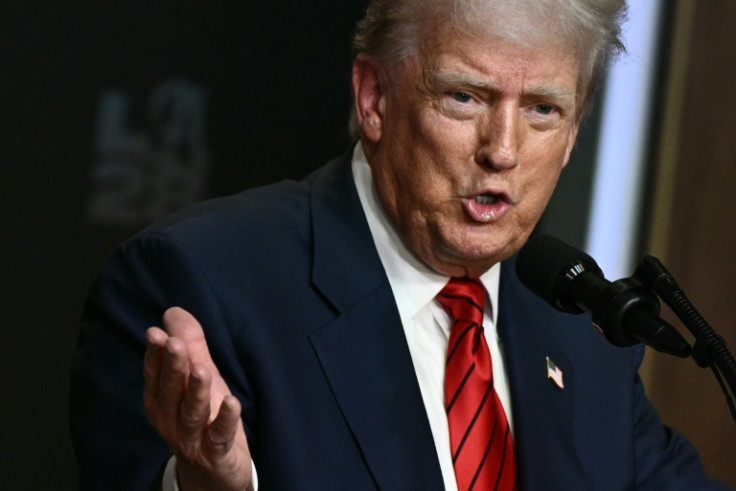
In a Truth Social post and remarks during a White House press conference, Trump set an 8 p.m. ET deadline for Iran to accept terms that include free passage of oil through the critical waterway, forswearing nuclear weapons and broader de-escalation measures. "I don't want that to happen, but it probably will," he added, while expressing hope that "smarter, less radicalized minds" could prevail following what he described as near-complete regime change.
The dramatic statement came as the conflict, which began in early March 2026, entered a critical phase with U.S. forces conducting targeted strikes on Iranian infrastructure. Trump has repeatedly threatened to "bring Iran back to the Stone Ages" by targeting power plants, bridges and other sites if demands are unmet, framing the operation as necessary to neutralize Iran's nuclear ambitions and restore stability to global energy markets.
As of Tuesday evening, no immediate confirmation of a breakthrough deal had emerged. Iranian officials rejected earlier ceasefire proposals, insisting negotiations cannot occur under ultimatums and demanding a permanent end to hostilities without preconditions. Tehran has denounced Trump's rhetoric as aggressive and counterproductive.
Escalating Rhetoric Amid Ongoing Conflict
The president's comments build on weeks of increasingly forceful warnings. In recent days, Trump posted that the U.S. military "hasn't even started destroying what's left in Iran," vowing strikes on electric power plants and bridges if no agreement materializes. He has claimed the conflict could end "very shortly" or within two to three weeks, while insisting more intense action lies ahead if Iran does not comply.
During Monday's press conference, Trump stated the "entire country can be taken out in one night, and that night might be tomorrow night." He emphasized that Iran does not necessarily need to reach a formal deal for the U.S. to wind down operations but reiterated that unrestricted access to the Strait of Hormuz — through which about one-fifth of global oil passes — remains non-negotiable.
The Strait's partial closure has contributed to spikes in oil prices, raising concerns about inflation and energy security worldwide. Trump has predicted prices will drop once the waterway reopens fully and the conflict resolves.
U.S. officials have described the military campaign as "Operation Epic Fury" in some communications, highlighting strikes on nuclear-related facilities and other targets. A recent rescue of a downed U.S. airman underscored the risks to American personnel. Trump praised the operation's progress but warned that civilian infrastructure remains vulnerable if talks fail.
Context of the Five-Week War
The current hostilities trace back to escalating tensions over Iran's nuclear program and regional proxies. Trump, in his second term, has cited Iran's continued uranium enrichment and rejection of prior diplomatic efforts — including the termination of the 2015 nuclear deal during his first presidency — as justification for military action.
In a prime-time address last week, Trump said U.S. forces had nearly achieved their objectives and would "finish the job" quickly. He claimed Iran's leadership structure had been significantly degraded, opening the door for potential regime change or a more moderate government. "God bless the great people of Iran," he added in Tuesday's post, suggesting ordinary citizens could benefit from new leadership.
Critics, including some international observers and domestic opponents, have raised alarms about the potential for civilian casualties and accusations of war crimes related to attacks on power plants and other dual-use infrastructure. Trump dismissed such concerns Monday, stating he was "not at all" worried and countering that allowing Iran to acquire a nuclear weapon would itself constitute a greater crime.
Iran has pushed back firmly. Foreign Ministry spokespeople called Trump's threats "dark ages" rhetoric and rejected temporary ceasefires, arguing they fail to address root causes. Tehran has proposed its own frameworks for ending the war but maintains that pressure tactics undermine genuine diplomacy.
Global Reactions and Market Impact
The warning has sent ripples through financial markets and diplomatic channels. Oil futures fluctuated as traders weighed the risk of further disruption to the Strait of Hormuz against the possibility of a swift resolution. Allies in the Gulf region have expressed private concerns about escalation while publicly urging restraint.
European leaders and the United Nations have called for de-escalation, with some diplomats working behind the scenes on a 45-day ceasefire proposal that Trump described as a "significant step" but "not good enough." China and Russia, traditional Iranian partners, have criticized U.S. actions as destabilizing.
Domestically, Trump's approval ratings have faced pressure amid war-weary public sentiment, though he has framed the conflict as a necessary stand against a long-term threat. Polling suggests mixed views, with many Americans supporting pressure on Iran's nuclear program but wary of prolonged entanglement.
Defense Secretary Pete Hegseth and other administration officials have echoed the president's line, stressing that the U.S. military stands ready to enforce deadlines while hoping for a diplomatic off-ramp.
What Happens Next
As the 8 p.m. ET deadline approaches Tuesday night, attention turns to whether Iranian negotiators will make concessions or if U.S. forces will launch the threatened widespread strikes. Trump has indicated talks remain "active" and expressed optimism that "revolutionarily wonderful" outcomes could emerge if new leadership takes hold in Tehran.
Administration officials have not detailed exact military plans but have made clear that bridges, power generation and other infrastructure could face devastating blows. Trump has repeatedly said the U.S. prefers peace through strength and has a history of using maximum pressure tactics, as seen in his first term with the Soleimani strike and sanctions.
For now, the world watches a high-stakes moment that could determine the war's trajectory. A deal could rapidly de-escalate tensions and stabilize energy markets. Failure to agree might trigger the most intense phase yet of the conflict, with profound implications for the Middle East, global security and the future of Iran.
Trump concluded his Tuesday message on a note of historical significance: "We will find out tonight, one of the most important moments in the long and complex history of the World. 47 years of extortion, corruption, and death, will finally end."
White House spokespeople urged calm while reiterating that all options remain on the table to prevent Iran from obtaining nuclear weapons.
© Copyright 2026 IBTimes AU. All rights reserved.