Walmart Costco Self-Checkout Overhaul: Why Big Retailers Are Ditching Machines Amid Theft & Frustration
PHILADELPHIA — Walmart is stripping self-checkout kiosks from more stores and bringing back cashier lanes, joining a growing retail shift that includes Costco's push for faster, staff-assisted scanning as theft concerns and customer complaints mount nationwide.

The world's largest retailer removed all self-checkout machines from its South Philadelphia Supercenter in late April 2026, converting the space to traditional staffed registers. Company officials cited feedback from customers and associates, aiming to deliver a more personalized shopping experience as part of broader remodeling plans for more than 650 stores this year.
"These changes are guided by feedback from associates and customers, local shopping patterns, and the needs of the business in each community," a Walmart spokesperson told local media. The goal is to "improve the checkout experience and enable associates to provide more personalized customer service."
The move echoes earlier removals in Shrewsbury, Missouri; Cleveland, Ohio; parts of New Mexico and other high-theft locations. In Shrewsbury, police reported a sharp drop in calls after self-checkouts disappeared — from hundreds in prior periods to far fewer — with arrests nearly halving.
Industry analysts and law enforcement point to retail theft, often dubbed "shrink," as a primary driver. A December 2025 LendingTree survey of more than 2,000 consumers found 27% of self-checkout users admitted to intentionally skipping scans, up 12 percentage points from 2023. Another 36% said they accidentally left with unscanned items, and most kept them. Overall, 69% agreed the machines make theft easier.
Higher-income shoppers were more likely to admit deliberate non-scanning, with 40% of those earning six figures or more confessing, according to the survey. Many expressed little remorse.
Walmart, which loses billions annually to theft across its stores, has reviewed self-checkout use in high-shrink locations. Similar trends hit Target, Dollar General and others, with some chains removing or limiting kiosks entirely.
Costco Takes a Different Path
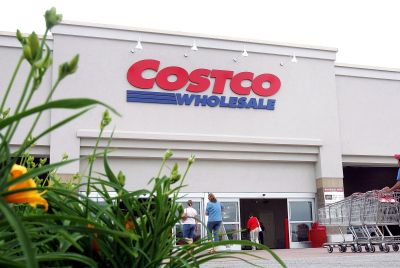
Costco, known for its warehouse model and membership requirements, is not fully eliminating self-checkout but is transforming the experience with technology and staff oversight. The company is rolling out pre-scan systems where employees scan cart items while shoppers wait in line. By the time customers reach the register, items are pre-loaded; they simply scan their membership card and pay.
Automated pay stations in pilot stores complete transactions in about eight seconds on average, dramatically speeding up lines. CEO comments during earnings calls highlighted strong member feedback and improved traffic flow.
"Early results show this is improving the flow of traffic, and we've received great member feedback," a Costco executive said.
At remaining self-checkout areas, Costco now often requires photo ID matching membership cards, adding a layer of accountability. The retailer is also testing scan-and-go apps and other efficiencies without the full cashier reversion seen at Walmart.
Regulatory Pressure Mounts
New state laws are accelerating changes. Bills in California, Massachusetts, Ohio, Rhode Island and others propose staffing requirements — such as one employee per set number of kiosks — or item limits at self-checkouts, often capping them at 10-15 items. New York City has considered similar restrictions.
Proponents argue the rules promote fairness for workers and curb theft. Critics, including some retailers, worry about labor costs and slower service. In response, many chains are proactively adjusting rather than waiting for mandates.
Shopper Reactions Mixed
Customer responses vary widely. Some celebrate the return of human cashiers, citing frustration with error-prone machines, long error-resolution waits, and the "do-it-yourself" burden after a full shopping trip.
"I hate self-checkout. I always have issues with the scanner or weights, and then I wait forever for help anyway," said one Philadelphia-area shopper who welcomed the change. "Bring back the cashiers."
Others lament lost convenience, especially for quick trips with few items. "It used to be fast for small baskets. Now lines are longer again," complained a frequent Walmart visitor on social media.
Social platforms buzz with debates. Viral posts show before-and-after photos of stripped checkout areas, with hashtags like #SelfCheckoutFail and #BringBackCashiers trending in retail communities. Some users admit occasional "honest mistakes" at kiosks, while others decry what they see as eroded trust in shoppers.
Retail experts note self-checkout's initial promise — faster service, lower labor costs — collided with reality. Technical glitches, theft vulnerabilities and unintended labor shifts (associates still needed for oversight and bagging help) diminished benefits. Adoption soared to over 80% at many chains, but so did losses.
Broader Retail Trends
Sam's Club, Walmart's membership sibling, went further last year by replacing traditional self-checkout with AI-powered scan-and-go entirely in tested formats. Other grocers experiment with hybrid models blending mobile apps, computer vision and limited kiosks.
Dollar General removed self-checkout from thousands of stores in 2024, citing similar theft and operational issues. Target has limited item counts or added more staffed oversight in select locations.
The changes come as inflation-weary consumers demand value and efficiency. Retailers balance technology investment with human touchpoints. Walmart's 2026 remodels will emphasize improved layouts, potentially including more "hosted checkout" zones where associates guide customers.
What's Next for Shoppers
For now, experiences differ by location and chain. Walmart shoppers in affected stores must use cashier lanes, which some say feel nostalgic but risk longer peak-hour waits. Costco members enjoy quicker overall throughput thanks to pre-scans but face stricter verification.
Industry watchers expect more experimentation. AI cameras, better mobile apps and data-driven lane management could blend convenience with control. Yet the pendulum has swung back toward human interaction in 2026, at least partially.
"Self-checkout wasn't the full solution many hoped," one retail consultant noted. "Retailers are learning that technology works best when it supports, not replaces, the shopping experience entirely."
As summer shopping ramps up, customers at Walmart and Costco will navigate evolving checkouts. Whether the shifts reduce theft, boost satisfaction and maintain speed remains to be seen — but the era of unchecked self-service appears to be cooling.
© Copyright 2026 IBTimes AU. All rights reserved.
- Recommended For You