

Spirit Airlines on Brink of Shutdown as Bankruptcy Rescue Talks Collapse Amid Surging Fuel Costs
FORT LAUDERDALE, Fla. — Spirit Airlines, the pioneering ultra-low-cost carrier that transformed budget travel for millions of Americans, appears poised to cease operations as early as this weekend after bailout negotiations collapsed, dealing a potential death blow to the financially troubled airline amid soaring jet fuel prices and repeated bankruptcy filings.
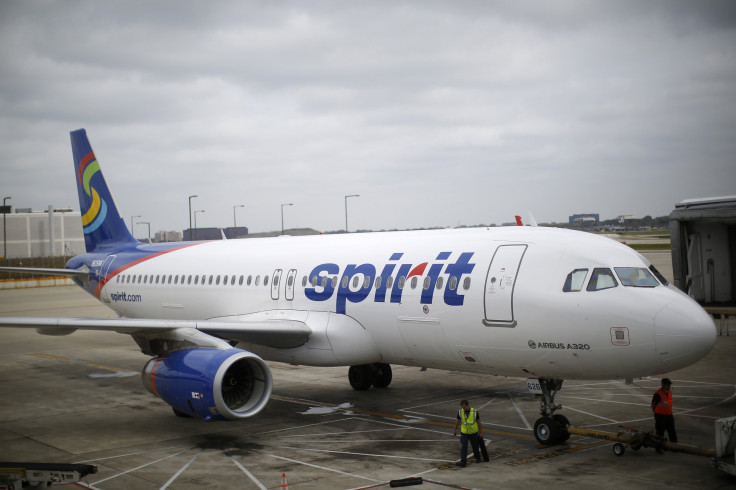
Reports from major outlets indicate Spirit is preparing for liquidation following the failure to secure a roughly $500 million government-backed rescue package, leaving passengers with booked tickets scrambling for alternatives and raising questions about refunds and industry ripple effects. The move would mark the end of an airline known for its no-frills model and bright yellow planes that once symbolized accessible air travel.
Spirit filed for Chapter 11 bankruptcy protection in August 2025 — its second such filing in less than a year — as part of restructuring efforts that included fleet reductions and route cuts. Executives had hoped to emerge leaner by summer 2026, but escalating fuel costs linked to global tensions, including the U.S. involvement in Iran, strained cash reserves and derailed plans.
Timeline of Financial Turmoil
The airline's troubles trace back years. Post-pandemic recovery proved challenging as competition intensified from larger carriers and other low-cost rivals. A proposed merger with JetBlue fell through due to regulatory hurdles, depriving Spirit of a potential lifeline. The first bankruptcy filing came in late 2024, followed by the latest in August 2025.
Recent restructuring aimed at slashing the fleet from over 200 aircraft to around 94 while trimming debt significantly. However, persistent losses, high operational costs and softening demand for leisure travel compounded problems. Jet fuel prices, up dramatically in recent months, became the tipping point as negotiations with creditors and government stakeholders faltered.
President Donald Trump indicated the administration was reviewing options, but sources say time ran out for Spirit, which reportedly has only days of cash remaining. A decision on full shutdown could come imminently, potentially grounding flights with little notice.
Impact on Passengers and Travel Industry
Travelers holding Spirit tickets face uncertainty. Industry experts advise checking alternative flights immediately through other carriers, as refunds or rebooking options may become limited or delayed in a liquidation scenario. Credit card travel protections or travel insurance could offer recourse for some, but policies vary widely.
Major airports serving Spirit routes, including Fort Lauderdale-Hollywood International, Orlando and others in the Northeast and Midwest, brace for operational disruptions. Booking platforms and travel agents report increased inquiries as word spreads. The Points Guy and similar sites urge passengers to monitor Spirit's website and contact customer service promptly.
The shutdown would strand thousands mid-journey or with upcoming reservations, exacerbating chaos in an already strained summer travel season. Competitors may add capacity, but last-minute fares could spike.
Broader Implications for Low-Cost Carriers
Spirit's potential demise highlights vulnerabilities in the ultra-low-cost model. Aggressive pricing, ancillary fees and dense seating drove growth pre-pandemic but left little margin for shocks like fuel volatility or economic slowdowns. Industry watchers question whether similar carriers face parallel risks amid rising costs and consolidation trends.
Frontier Airlines and others in the segment may absorb market share, but integration challenges could arise. Larger airlines might benefit from reduced competition on leisure routes, potentially leading to higher fares industry-wide. Labor unions express concern over job losses, with Spirit employing thousands whose futures hang in the balance.
The case underscores debates over government intervention in airlines. Critics argue bailouts distort markets while supporters cite employment and connectivity impacts, particularly for underserved routes. Spirit's network served many secondary cities, filling gaps left by legacy carriers.
Spirit's Legacy in Aviation
Founded in 1983 as a charter service, Spirit evolved into a major discount player under CEO Ben Baldanza and later Ted Christie. The airline popularized unbundled fares, charging separately for bags, seats and other amenities — a model now standard across the industry. Bright yellow livery and irreverent marketing built a loyal, price-sensitive following.
At its peak, Spirit operated hundreds of daily flights, connecting leisure destinations and offering affordable options for families and budget travelers. Record load factors demonstrated demand for cheap flights, even with minimal comforts. However, customer satisfaction scores often lagged due to fees and operational issues like delays.
The airline's struggles mirror broader challenges: labor shortages, supply chain issues and shifting consumer preferences post-pandemic. Bankruptcy proceedings revealed deep debt burdens that restructuring failed to fully resolve.
What Comes Next for Affected Stakeholders
Passengers should document bookings, explore rebooking on United, Delta, American or Southwest, and contact issuers for refunds where applicable. Corporate travel departments advise reviewing policies for alternative carriers.
Employees face uncertain futures, with potential severance or transfers depending on liquidation proceedings. Suppliers and vendors tied to Spirit operations may see payments delayed or reduced.
Regulators, including the Department of Transportation, will oversee wind-down to protect consumers. Historical precedents from other airline failures suggest refunds can take weeks or months.
Industry Reactions and Future Outlook
Aviation analysts express mixed views. Some see consolidation as healthy, reducing overcapacity. Others worry about diminished competition harming consumers on price. Spirit's exit could accelerate mergers or route adjustments across the board.
As summer approaches — traditionally a peak period — the timing amplifies disruption. Travelers booking ahead should verify carrier status. Insurance purchases offer protection against similar events.
Spirit's story serves as a cautionary tale for the sector. While innovation drove its rise, external pressures exposed structural weaknesses. The airline that once promised "Bare Fares" now faces a bare future, potentially ending operations that carried millions to vacations and family visits.
For now, uncertainty reigns as executives, creditors and officials weigh final options. Travelers and employees alike await clarity in what could mark the end of an era for one of America's most disruptive airlines. The coming days will determine whether Spirit finds a last-minute savior or joins the list of carriers grounded by economic realities.
© Copyright 2026 IBTimes AU. All rights reserved.