Qantas Jetstar Extend Domestic Cuts Trim NZ Flights as Fuel Crisis Drives Higher Costs
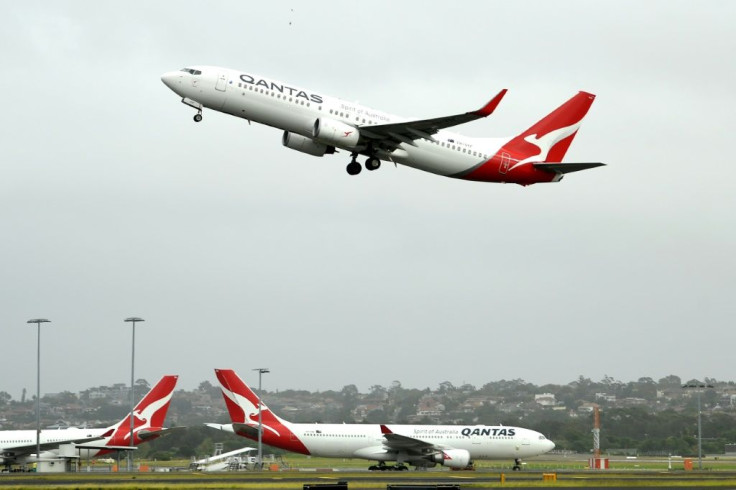
SYDNEY — Qantas and its low-cost carrier Jetstar are extending domestic flight reductions and trimming services to New Zealand as surging jet fuel prices triggered by Middle East disruptions continue to bite, with the airline group warning of up to AU$800 million in additional fuel costs this financial year.
The moves, announced this week, reflect broader industry pressure as oil prices remain elevated following disruptions in the Strait of Hormuz. Qantas said it would cut thousands more domestic seats in coming months while Jetstar is reducing trans-Tasman and internal New Zealand flights. The decisions aim to match capacity with demand while protecting profitability amid rising input costs.
Qantas CEO Vanessa Hudson cited the ongoing fuel crisis as a key factor. "We are taking decisive action to manage capacity in response to significantly higher fuel prices," she said in a statement. The group expects fuel costs to surge as much as AU$800 million higher than previously forecast, prompting route adjustments and fare reviews on some services.
Specific domestic cuts include suspension of flights from Melbourne to Hamilton Island and Melbourne to Coffs Harbour from mid-May to late June. Jetstar is halting Sydney to Busselton services until September and Darwin to Gold Coast routes until October. Trans-Tasman reductions affect about 12% of certain Auckland-Sydney and Auckland-Brisbane flights starting in May, with further trims on Auckland-Christchurch and Auckland-Wellington services. Affected passengers are being rebooked or offered refunds.
The fuel crisis stems from reduced oil flows through the Strait of Hormuz, a critical chokepoint for global crude shipments. Geopolitical tensions have driven oil prices higher, with refining margins also elevated due to supply tightness. Airlines worldwide are responding with surcharges, capacity cuts and hedging strategies, but Qantas' scale in the Australian and New Zealand markets makes its adjustments particularly visible.
Industry analysts say the cuts are prudent but could inconvenience travelers during peak travel periods. Qantas maintains it is prioritizing high-demand routes while trimming less profitable ones. The airline has also raised some fares to offset costs, though it faces competitive pressure from Virgin Australia and international carriers on key routes.
The developments highlight aviation's vulnerability to energy markets. Jet fuel typically accounts for 20-30% of operating costs for full-service carriers like Qantas. Sharp increases strain margins, particularly for domestic operations where yields are lower than long-haul international flights. Qantas has hedged some fuel exposure but cannot fully insulate against sustained spikes.
New Zealand routes have been particularly affected. Jetstar's reductions reflect lower demand and higher operating costs on thinner routes. Tourism operators in both countries have expressed concern, as trans-Tasman travel is a key economic driver. Australian visitors are major contributors to New Zealand's tourism sector, while Kiwis frequently travel to Australia for business and leisure.
Qantas has pledged to monitor the situation closely and restore capacity when fuel markets stabilize. The airline is also exploring efficiency measures, including fleet optimization and operational improvements to reduce consumption. Longer-term, sustainable aviation fuel initiatives could help mitigate volatility, though current production volumes remain limited and expensive.
The fuel crisis coincides with other challenges for the aviation industry. Labor shortages, aircraft delivery delays and regulatory pressures add complexity. Qantas has faced criticism in the past for capacity management during recovery from the COVID-19 pandemic, with accusations of profiteering during high-demand periods. The current cuts, while cost-driven, risk similar backlash if perceived as reducing competition or service quality.
Travelers are advised to check bookings directly with airlines and consider flexible options. Many affected passengers have been rebooked on alternative flights, but peak periods like school holidays may see higher load factors and fewer choices. Industry groups urge consumers to book early and monitor updates as the situation evolves.
Broader economic impacts could emerge if fuel costs remain elevated. Higher airfares contribute to inflation and may dampen consumer spending on travel. Tourism-dependent regions in Australia and New Zealand are particularly exposed. Governments have been monitoring the situation, with some considering targeted support for carriers or tourism operators if disruptions worsen.
Qantas remains optimistic about long-term demand. Domestic and international travel has rebounded strongly post-pandemic, with premium cabins and leisure travel driving revenue. The airline's loyalty program and diversified businesses provide buffers against pure flying volatility. However, sustained fuel pressure could force more structural adjustments in the network.
As the Northern Hemisphere summer approaches and Southern Hemisphere winter travel patterns shift, airlines globally are adjusting schedules. Qantas and Jetstar's actions reflect a cautious approach in a volatile energy environment. The coming weeks will reveal whether other carriers follow suit or whether stabilizing oil markets allow capacity restoration.
For now, passengers face a more constrained schedule on some routes as the fuel crisis continues to reshape aviation networks across the region. Qantas has assured customers it is doing everything possible to minimize disruption while protecting the long-term sustainability of its operations.
© Copyright 2026 IBTimes AU. All rights reserved.
- Recommended For You