10 Countries Suffering Biggest Economic Losses From US-Iran War
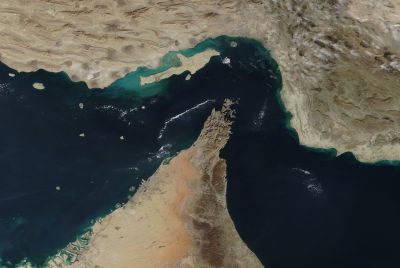
The ongoing US-Iran war, now in its fourth week, has triggered the largest global energy supply disruption in decades through attacks on infrastructure and threats to shipping in the Strait of Hormuz, inflicting severe economic pain on energy-import dependent nations and directly hitting Gulf producers whose output has plummeted. Oil prices have surged past $100 per barrel, with some forecasts warning of $120-$150 if disruptions persist, driving inflation, slowing growth and forcing emergency measures from fuel rationing to shortened workweeks in vulnerable economies.
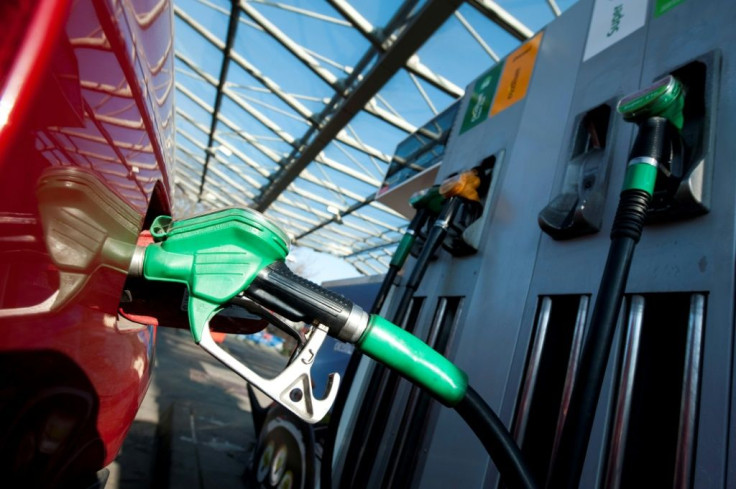
Economists and international organizations estimate the conflict could shave 0.3 to 1 percent or more off global GDP growth in 2026 depending on duration, with the heaviest burdens falling on countries reliant on Middle Eastern oil and LNG. Gulf states face direct production losses and infrastructure damage, while Asian importers confront soaring import bills and supply shortages. Europe contends with renewed energy shocks reminiscent of past crises, threatening industrial output and stagflation risks. Here are 10 countries experiencing the biggest losses based on GDP impact projections, inflation spikes, production halts and policy responses as of late March 2026.
1. Kuwait — Among the hardest hit, with Goldman Sachs forecasting up to a 14% GDP contraction this year if the war drags into April or beyond. Heavy dependence on oil exports through the Strait, combined with Iranian strikes on desalination plants supplying nearly all drinking water, has triggered a dual energy and humanitarian crisis. Consumer prices have spiked dramatically, and economic activity has ground down sharply.
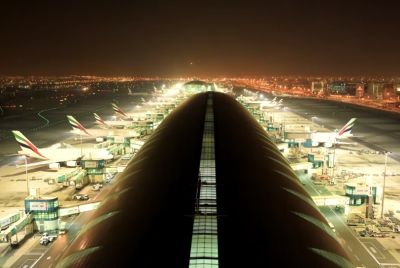
2. Qatar — The Gulf emirate has suffered massive damage to its LNG export capacity, with one major facility knocked out and up to 17% of production lost. Forecasts point to GDP shrinkage of around 14% or more, compounded by airspace closures affecting its flagship airline and food import disruptions. As a key LNG supplier, the knock-on effects have rippled globally while hitting Qatar's own economy severely.
3. Iran — The targeted nation faces the most direct devastation, with GDP potentially contracting more than 10% and long-term losses in the hundreds of billions. Sanctions, infrastructure damage and export halts have compounded pre-existing economic strains, though exact figures remain opaque due to limited official data.
4. Saudi Arabia — As the region's largest oil producer, Saudi Arabia has seen output cuts of millions of barrels per day and faces GDP losses estimated at 3-5% or higher in prolonged scenarios. While some pipeline alternatives exist, overall export disruptions, tourism declines and investment uncertainty have weighed heavily on Vision 2030 ambitions.
5. United Arab Emirates — Similar to Saudi Arabia, the UAE has experienced production drops and GDP forecasts revised down by around 5%. Diversified economy provides some buffer, but energy sector hits, airspace issues and regional instability threaten growth and foreign investment.
6. Japan — Sourcing around 90-95% of its oil from the Middle East, with nearly all passing through the Strait of Hormuz, Japan faces steep import cost increases and supply risks to its energy-intensive industries. Analysts project GDP growth reductions of up to 0.9-3.3% alongside higher inflation, threatening its manufacturing and export competitiveness.
7. South Korea — With up to 70% of oil imports from the Middle East and heavy reliance on Gulf LNG, South Korea's chipmaking and industrial sectors are particularly vulnerable. Stock market declines and warnings of supply shocks to high-tech manufacturing point to meaningful GDP and inflation pressure.
8. Germany — Europe's industrial powerhouse is exposed through higher energy costs feeding into manufacturing, chemicals and steel. The ECB has raised inflation forecasts and cut growth projections, with risks of technical recession if prices remain elevated. Energy-intensive sectors face surcharges and potential deindustrialization threats.
9. India — As a major importer, India has invoked emergency powers to redirect LPG supplies and seen its current account deficit widen. Higher oil prices strain public finances, fuel inflation and risk currency pressure, with economists warning of significant impacts on growth and household costs.
10. Pakistan — Already economically fragile, Pakistan has imposed fuel-saving measures, school closures and rationing while turning to alternative suppliers. High import dependence and limited reserves amplify the pain, with risks of further destabilization from inflation and energy shortages.
Other nations facing notable pressure include China (largest overall importer but with some diversification), the United Kingdom, Italy and smaller Asian economies like the Philippines, Thailand and Sri Lanka, where governments have ordered work-from-home policies, fuel caps and reduced operations to conserve energy. Emerging markets with thin buffers and high subsidy burdens are particularly exposed to second-round effects on food prices and remittances.
Winners remain few but include net energy exporters outside the conflict zone, such as the United States (thanks to domestic production), Russia, Canada and Norway, which benefit from higher prices. Even these nations face indirect inflation risks.
The crisis has prompted global responses, including IEA-coordinated releases, diplomatic efforts to secure shipping and domestic conservation measures. However, prolonged disruption risks stagflation in Europe and Asia, with central banks facing difficult trade-offs between fighting inflation and supporting growth.
For many countries on the list, the losses extend beyond raw GDP figures to include eroded consumer confidence, supply chain breakdowns and long-term competitiveness concerns. As the conflict continues without clear resolution, economists warn that the full bill — potentially trillions in cumulative global costs — will depend on how quickly energy flows normalize.
The war serves as a stark reminder of the world economy's vulnerability to chokepoints like the Strait of Hormuz and the uneven distribution of pain from geopolitical shocks. Nations with diversified supplies and strong fiscal buffers fare better, while those heavily reliant on a single volatile region pay the steepest price.
© Copyright 2026 IBTimes AU. All rights reserved.
- MOST POPULAR IN Politics & Policy