Iran's Economy Hit with Tens of Billions in War Damage as U.S.-Israeli Strikes Devastate Infrastructure
TEHRAN, Iran — Iran's economy, already strained by years of international sanctions, has suffered severe setbacks from the U.S.-Israeli military campaign that began Feb. 28, 2026, with widespread infrastructure destruction, disrupted trade routes and soaring global energy prices amplifying the pain. While precise figures remain elusive due to limited official disclosures from Tehran and the fluid nature of the conflict, analysts estimate the direct physical damage and immediate economic losses could reach tens of billions of dollars, exacerbating a pre-war contraction and threatening food security.

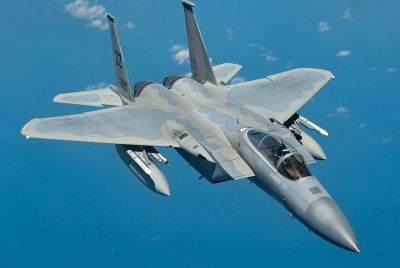
The joint U.S.-Israeli operation, dubbed Operation Epic Fury by some military sources, targeted Iranian military sites, leadership compounds, air defenses and energy infrastructure in a bid to degrade capabilities and pressure the regime. By early March, reports indicated over 4,000 civilian buildings had been damaged or destroyed across the country, according to TRT World and other outlets citing Iranian sources and satellite imagery. These strikes hit urban areas, industrial facilities and transportation hubs, compounding existing vulnerabilities.
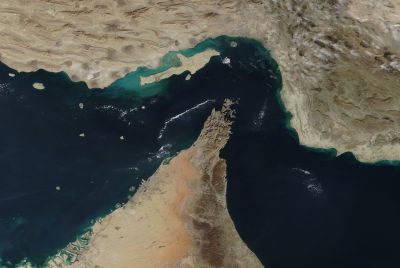
Iran's economy was already contracting under heavy sanctions before the war, with GDP growth negative in recent years and inflation rampant. The conflict has accelerated this decline. Wikipedia's entry on the economic impact of the 2026 Iran War notes severe infrastructure damage and revenue losses, particularly from disrupted oil and gas exports. Iran's closure of the Strait of Hormuz in response disrupted roughly 20% of global oil supplies and significant liquefied natural gas volumes, but the move backfired by isolating Iran's own imports.
Iran relies heavily on Persian Gulf ports for grain shipments, with about 30% of its wheat imported. By March 6, nine grain vessels waited outside the strait, unable to enter amid the blockade and hostilities. Food import funding, already challenging, became nearly impossible as revenues from oil exports plummeted and global prices spiked.
Direct physical damage estimates are scarce from Iranian authorities, who have downplayed impacts to maintain domestic morale. Intelligence assessments cited in reports suggest the strikes have not yet toppled the clerical or military structure, but the economic harm is substantial. Chatham House analysis indicates Iran's GDP could fall more than 10% due to the war, based on parallels with other conflict zones, though official data has not been released since 2024.
The war's broader toll includes lost export revenues from energy. Pre-war, Iran exported limited oil under sanctions waivers, but strikes on facilities and export terminals have curtailed even that. Global oil prices surged over 40-50% since late February, with Brent crude reaching $106 per barrel by mid-March, per Al Jazeera reporting. This windfall bypassed Iran due to disrupted flows and sanctions, while domestic energy infrastructure repairs will demand billions.
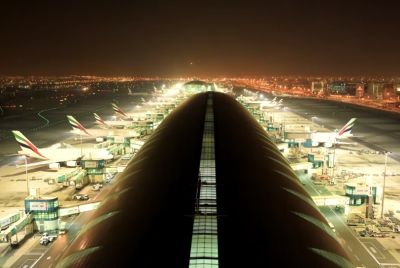
Civilian and industrial losses add to the bill. Strikes near critical sites, including one projectile incident close to the Bushehr Nuclear Power Plant (confirmed undamaged by the IAEA), raised fears of environmental and economic fallout. Repeated hits on airports like Mehrabad in Tehran and military airbases degraded logistics. Overhead photos and reports show craters and structural damage at various locations, with costs for rebuilding likely in the high billions.
The conflict has also strained Iran's ability to respond. Degraded air defenses—around 85% of surface-to-air missiles destroyed by mid-March, per Israeli Army Radio citing IDF sources—left the country exposed, forcing resource diversion from economic recovery to military defense. Desertions among personnel and confusion in security forces further hampered response.
Globally, the war's ripple effects have indirectly hurt Iran. Higher energy prices strained import-dependent economies, but for Iran, the inability to capitalize on high oil prices while facing blockade compounded losses. Capital Economics and Oxford Economics reports forecast limited short-term global GDP hits outside the Gulf if the war ends quickly, but prolonged fighting could see oil at $130-150 per barrel, worsening Iran's isolation.
Tehran's retaliatory strikes on U.S. bases in the region caused about $800 million in damage in the first two weeks, per BBC analysis, but these pale against Iran's own infrastructure hits. The U.S. has borne massive costs—Pentagon estimates put the first six days at over $11.3 billion, rising to potentially $16.5 billion by day 12 per CSIS, with daily expenses around $500 million thereafter. Israel's Finance Ministry projected weekly economic losses of up to $2.93 billion from disruptions and mobilizations.
As of March 23, 2026, the conflict shows no immediate end, with ongoing strikes and diplomatic efforts faltering. U.S. officials have floated easing some sanctions on Iranian oil to stabilize markets, but progress remains uncertain. Iran's regime maintains resilience claims, but analysts warn the cumulative economic pressure—physical destruction, lost revenues, import disruptions and inflation—could fuel internal unrest over time.
Rebuilding estimates vary widely. Repairing thousands of damaged buildings, restoring energy facilities and reopening trade routes could cost tens of billions, potentially rivaling or exceeding U.S. war expenditures if prolonged. Food security remains a flashpoint, with grain shortages looming if ports stay blocked.
The war underscores Iran's economic fragility amid geopolitical confrontation. While military damage assessments focus on strategic degradation, the human and financial cost to ordinary Iranians—higher prices, shortages and uncertainty—may prove the most enduring legacy. As battles continue, the full USD toll on Iran's economy remains a moving target, but early indicators point to devastation measured in the tens of billions, with recovery years away even if hostilities cease soon.
© Copyright 2026 IBTimes AU. All rights reserved.
- MOST POPULAR IN Politics & Policy